Raise Awareness

Resultados de nuestra Encuesta Acerca del Estado de la Comunidad 2026

🧠 ¿Qué aprenderá en este artículo?

  • Conclusiones clave de la Encuesta Acerca del Estado de la Comunidad 2026 de la Parkinson's Foundation.
  • Cómo la Fundación utilizará los resultados de la encuesta para ayudar a dar forma a los programas y recursos.
  • Perspectivas del mundo real sobre atención, participación en investigaciones y más para la comunidad de la enfermedad de Parkinson (EP).
Pareja completando una encuesta

Cada año, la Parkinson's Foundation encuesta a la comunidad de la enfermedad de Parkinson para conocer qué temas son más importantes y qué apoyo necesitan las personas.

Los resultados de nuestra Encuesta del Estado Acerca del Estado de la Comunidad 2026 orientan los programas y recursos de la Parkinson's Foundation, asegurando que nos mantengamos enfocados en lo que más importa a las personas afectadas por la EP.

Este año, más de 9.000 personas (personas con la EP, cuidadores, familiares, amigos y profesionales de la salud) respondieron la encuesta en inglés y español, un aumento del 30 % con respecto a 2025. Las respuestas provinieron de los 50 estados y de personas fuera de los EE. UU., lo que nos brinda información valiosa sobre las experiencias y necesidades de nuestra comunidad global del Parkinson.

Resultados de nuestra Encuesta Acerca del Estado de la Comunidad 2026

A continuación se presentan los hallazgos clave de la encuesta de este año.

1. Comprender los síntomas, medicamentos y tratamientos sigue siendo una prioridad principal.

Los participantes de la encuesta continúan mencionando los síntomas motores, los síntomas no motores y el conocimiento sobre medicamentos y opciones de tratamiento como principales preocupaciones. Más de la mitad identificó los síntomas motores (61 %) y los síntomas no motores (52 %) como los más preocupantes, especialmente temblor, marcha y equilibrio, sueño, estado de ánimo y cognición.

Los participantes expresaron un gran interés en aprender más sobre el manejo de síntomas y las opciones de tratamiento. De manera similar, los miembros de la comunidad de habla hispana estaban más interesados en actualizaciones de investigación y opciones de tratamiento.

Conclusión clave

Las personas desean información clara y confiable sobre síntomas, opciones de tratamiento e investigación. Utilizaremos estos hallazgos para guiar la educación y los programas futuros.

Visite nuestra Biblioteca de la EP para explorar los temas que más le importan.

2. La incertidumbre sobre qué discutir durante las citas médicas y las barreras para la atención continúan afectando a la comunidad.

Un gran desafío durante las citas es saber qué síntomas y preguntas hacerle al médico de la EP, y muchos encuentran difícil hablar sobre la salud mental y emocional. Similar al año pasado, la mayoría de las personas dijeron que pasan de 15 a 30 minutos con su proveedor.

«Creo en la medicina narrativa, donde aliento a los pacientes a compartir su historia de Parkinson —enfocándose en los síntomas que más les afectan y trabajando juntos para crear un plan de atención personalizado que les permita asumir un papel activo». 

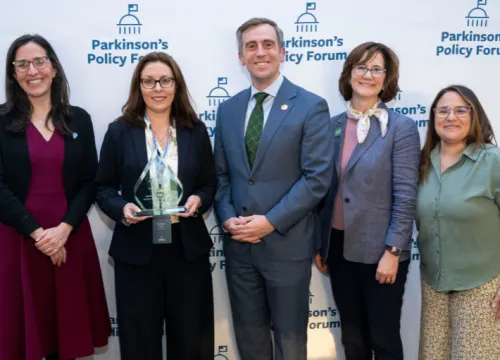
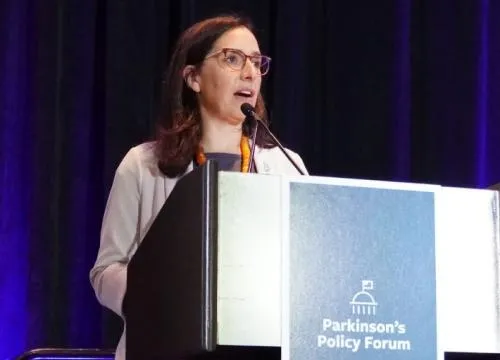
— Dra. Sneha Mantri,  directora médica en jefe de la Parkinson's Foundation

Aproximadamente el 25 % de los encuestados acudió a la sala de emergencias o permaneció en el hospital en el último año, y solo el 38 % conocía la Guía de seguridad hospitalaria de la Parkinson's Foundation.

Aunque la mayoría informó no tener barreras para la atención, otros dijeron que puede ser difícil obtener servicios y apoyo. En la encuesta en inglés, las barreras más comunes fueron:

  • No saber qué servicios están disponibles o cómo obtenerlos
  • Dificultad para obtener citas
  • Tener que viajar lejos para recibir atención

Para los participantes de habla hispana, el costo de los servicios fue la principal barrera, mientras que otros desafíos incluyeron el idioma, el transporte y no tener suficientes servicios disponibles.

Conclusiones clave

Las citas médicas pueden resultar abrumadoras, especialmente a medida que los síntomas cambian con el tiempo. Estos hallazgos muestran la necesidad de herramientas y recursos que ayuden a las personas a sentirse preparadas y más seguras durante las visitas de atención médica. Aprenda cómo optimizar su atención médica para el Parkinson.

Recibir atención para el Parkinson es diferente para cada persona. Comprender las barreras para acceder a atención de calidad nos ayuda a ver dónde se necesita más educación, apoyo y divulgación.

3. El conocimiento de PD GENEration está creciendo, pero persisten las brechas en la participación en investigación.

En la encuesta en inglés, la mitad de los participantes había oído hablar de PD GENEration: Impulsado por la Parkinson's Foundation, en comparación con solo el 33 % entre los miembros de la comunidad de habla hispana. Pero oír hablar de ello no siempre significa participar en el estudio. Aproximadamente el 60 % de las personas que conocían el estudio y eran elegibles participaron en PD GENEration, con una participación sustancialmente menor de hispanohablantes (32 %).

Fuera de PD GENEration, la mayoría de los encuestados dijeron que no han participado en estudios de investigación clínica.

Conclusión clave

Estos hallazgos muestran que podemos hacer más para explicar la investigación clínica y ayudar a las personas a comprender cómo participar en estudios de investigación, incluido PD GENEration.

PD Trial Navigator es un nuevo programa que ayuda a conectar a los participantes de PD GENEration con estudios relevantes, al mismo tiempo que proporciona apoyo personalizado durante todo el proceso.

4. Las personas buscan información confiable, apoyo y recursos comunitarios.

Los participantes compartieron que el sitio web de la Parkinson's Foundation, Parkinson.org, fue el recurso más utilizado. Los miembros de la comunidad de habla hispana también destacaron los programas de educación en línea, incluidos los webinars y los Expert Briefings, como los más útiles.

Al reflexionar sobre los recursos que han sido más útiles, los participantes también señalaron áreas que faltaban o estaban subrepresentadas en su comunidad, particularmente en torno a programas de ejercicio y recursos de salud emocional.

Cuando se les preguntó sobre los temas de política que más importan, los participantes identificaron el aumento de la financiación para la investigación y la mejora del proceso de revisión y aprobación de nuevos tratamientos como principales prioridades.

Las herramientas digitales pueden ayudar con el aprendizaje, el seguimiento de los síntomas y la gestión de la atención, sin embargo, muchos participantes (60–70 %) dijeron que no conocen estas herramientas o no las usan.

Conclusión clave

Estos hallazgos muestran por qué es importante contar con recursos confiables y fáciles de usar que apoyen el aprendizaje, la salud emocional, la conexión y la confianza a lo largo del recorrido con el Parkinson. Explore nuestro blog para obtener la información más reciente.

Obtenga más información sobre nuestras prioridades de política y defensa aquí.

Qué significan estos resultados para nuestra comunidad

En las encuestas tanto en inglés como en español, vimos temas comunes:

  • Las personas quieren educación sobre los síntomas y las opciones de tratamiento.
  • Muchas personas necesitan más ayuda para obtener atención y hablar con su médico.
  • Más personas están oyendo hablar de la investigación, pero pocas se unen a los estudios.
  • Las personas quieren información confiable y apoyo.

Estos resultados nos recuerdan que vivir con Parkinson, cuidar a alguien con Parkinson y conectarse con la comunidad de EP es diferente para cada persona. Escuchar directamente de la comunidad nos ayuda a seguir mejorando nuestros programas, educación y recursos.

Próximos pasos

La Parkinson’s Foundation seguirá escuchando y respondiendo a las necesidades y prioridades de la comunidad. Seguiremos trabajando para avanzar en nuestra misión y mejorar la vida de todas las personas afectadas por la EP.

Si bien ninguna encuesta puede capturar toda la gama de experiencias dentro de la comunidad de Parkinson, la información compartida a través de encuestas como la Encuesta Acerca del Estado de la Comunidad ayuda a guiar nuestros programas, recursos, investigación y esfuerzos de defensa. Por eso seguimos buscando comentarios de múltiples maneras y alentamos a las personas con Parkinson, los cuidadores y los familiares a unirse a nuestra iniciativa de encuestas y participar en futuras encuestas.

Para ayudar a dar forma a las futuras iniciativas de la Parkinson’s Foundation y asegurarse de que su voz sea escuchada, considere unirse a nuestra iniciativa de encuestas. Obtenga más información sobre nuestras encuestas aquí.

My PD Story

Karen Ann Stroud
People with PD

Karen Ann Stroud

My Parkinson’s journey began in 2021. Like many people, I didn’t fully understand what the diagnosis would mean for my future. There were moments of fear, uncertainty, and grief as I realized that everyday things I once took for granted might become more difficult. 

Fatigue, stiffness, and slowing down physically were some of the first signs I noticed. But over time, I realized Parkinson’s disease (PD) was going to change parts of my life — not take away who I am.

I am a wife, a mom of five, a grandmother, a friend, and someone who still finds joy in life’s simple moments. Parkinson’s has taught me to slow down, appreciate the little things, and celebrate victories that may seem small to others. Some days are harder than others, but I’ve learned that joy is still a choice.

One of the biggest blessings in my journey has been community. I became involved with Moving Day Sacramento and created a team called Grace & Grit. That name represents exactly how I try to live my life now — rooted in grace and fueled by grit. Walking alongside others who understand Parkinson’s has reminded me that none of us are alone in this fight.

Through PD GENEration, I participated in a PD research study for the first time. The genetic testing process was very easy and straightforward. I provided a sample, and once the results were available, I was contacted by a genetic counselor who took the time to explain everything to me clearly and compassionately.

Karen Ann Stroud with her husband

Through PD GENEration, I learned that my Parkinson’s is genetic, which gave me some answers but also left me with questions. Unfortunately, because both my parents passed away, I do not know whether the gene came from my maternal or paternal side of the family. At this time, no one else in my family has been diagnosed with Parkinson’s, which makes the diagnosis feel somewhat unexpected for our family.

I shared my results with my family because I want my children to have all the information.

What keeps me hopeful is my family, especially my children and grandchildren. I want them to see that strength does not always look loud or dramatic. 

Sometimes strength simply means showing up, putting one foot in front of the other, and continuing to live life with purpose and hope.

If I could give advice to someone newly diagnosed with Parkinson’s, it would be this: don’t let the diagnosis define you. Allow yourself time to process it, but don’t lose sight of the person you were before PD. Stay active, stay connected, ask for support when you need it, and keep finding things that bring you joy.

Parkinson’s has changed my life, but it has also shown me the incredible power of resilience, friendship, and community. Every step truly matters.

Learn more about ongoing Parkinson’s research and how to join a study today.

My PD Story

Chris Kustanbauter
People with PD

Chris Kustanbauter

A Walk That Changed Everything

While on vacation in August 2010, my wife Mary and I had just finished a walk when my left hand began shaking. Mary insisted I go to the emergency room (ER), and after an examination, the ER physician attributed it to stress.

Yet back home, the tremor in my left hand persisted. I also began dragging my left leg when I walked, and my left arm didn’t swing when walking. I managed to secure an appointment with a neurologist about two months later. 

After several rounds of tests, he told me, “I think you have Parkinson’s.” He referred me to a Movement Disorders Specialist at the University of Maryland, who confirmed that I had Young-Onset Parkinson’s Disease (YOPD) at age 46.

Taking Control: My Four Pillars

After the initial shock, I decided I was going to take control of my Parkinson’s journey. Drawing on my background in science and clinical research, I spent two months reviewing clinical studies on Parkinson’s and exploring the resources available on the Parkinson’s Foundation website.

From that research, I distilled four key pillars I would focus on to live my best life with Parkinson’s:

  • Exercise: Daily aerobic activity, strength training, flexibility and stretching, and balance training—all grounded in Parkinson’s Foundation recommendations.
  • Nutrition: A consistent, healthy eating plan to support overall well-being.
  • Optimism & Mindfulness: Maintaining a positive attitude and practicing mindfulness to navigate daily challenges.
  • Social Interaction: Staying connected, joining a Parkinson’s exercise group at my local community center and building new friendships.

Giving Back: Teaching, Research, and Advocacy

Living an exceptional life with Parkinson’s, I felt compelled to help others and share what I had learned. I began presenting to support groups but still felt I could contribute more. 

When I came across the Research Advocate role on the Parkinson’s Foundation website, I knew it was the right fit. I completed the training and became a Parkinson’s Foundation Research Advocate in September 2024.

In 2024, I learned that three of my former neighbors had developed Parkinson’s. For 20 years, I lived in a neighborhood just one-quarter of a mile from a golf course that had been built and opened during that time. Nearby farm fields grew corn and soybeans. Strikingly, four households within a small, concentrated radius—mine included—all had someone develop Parkinson’s.

This felt like far more than coincidence. After researching possible causes, I found that people living near a golf course are twice as likely to develop Parkinson’s as those who do not likely due to the pesticides and herbicides used to control weeds and insects 

I learned that one of those herbicides called paraquat is linked to an increased risk of developing Parkinson's. Paraquat is banned in more than 70 countries, including the European Union and China, yet it remains in use in the U.S.

This information drew me into public policy advocacy. In February 2026, I joined the Parkinson’s Foundation and other advocacy organizations at the Pennsylvania State Capitol to share our stories and urge them to support a bill to ban paraquat in the state. Most were receptive to our concerns — with one lawmaker agreeing to sign on as a co-sponsor. 

My Parkinson’s journey has taught me to fight back with exercise and social interaction, advocate for others, and a Parkinson’s diagnosis is not an ending but an opportunity to live your best life. 

Learn more about how Policy work can impact the lives of people with Parkinson’s. Visit our Advocacy Center to take action in your state now.

My PD Story

Ian Rodriguez posing with boxing gloves on
People with PD

Ian Rodriguez

I remember seeing my first tremor in my right hand at the age of 10, and my gait felt different. I always wanted to understand what was happening in my body. 

I was diagnosed in 2002 at the young age of 25. Today I'm 48. I've been battling Parkinson's disease (PD) for 23 years.

I’ve lived with Parkinson for many years, but I never stopped looking for answers.

Ever since being diagnosed I wanted to know more and more information about my Parkinson’s. This is me. I found the Parkinson's Foundation because it has a lot of information, and many resources. From providing solutions to having a lot of information and always being available on Parkinson.org. 

I found out the Foundation was doing a genetics study on TV. So we found PD GENEration: Powered by the Parkinson’s Foundation online and signed up to participate. When I learned the Foundation was running this study, I knew I wanted to be part of it. I was motivated to participate simply because I wanted to learn more about my Parkinson’s. Participating was a chance to better understand my own story.

PD GENEration: Powered by the Parkinson’s Foundation is a global research study that provides genetic testing and genetic counseling at no cost for people diagnosed with Parkinson’s.

My PD GENEration experience was very, very easy. No problems at all. I filled out my name and the form online, and then the Parkinson’s Foundation sent me the at-home test kit a week later.

After receiving my results, I found the genetic counseling session to be very interesting and validating. I always thought the reason I had Parkinson's disease was environmental, because my parents worked as farmers in the 1970s. I always thought we were exposed to chemicals linked to PD. 

The results surprised me. When I learned I carried genetic variants related to PD, I was shocked. I never imagined I was carrying this information with me since childhood. 

Having real answers has changed my perspective about Parkinson’s disease. PD GENEration opened a door to knowledge I never had before.

The surprise was that out of the seven main PD-related genes they tested for, I tested positive for two. So basically, the geneticist explained to me that I carry two Parkinson’s genes, and that left me thinking “Wow!”

It feels good to know new information when it comes to my Parkinson’s. I now have valid documentation that proves that I am genetically linked to Parkinson's.

For anyone living with Parkinson’s, I highly recommend participating in PD GENEration. Why not learn more about yourself? About your Parkinson’s? 

Ian standing by an exercise machine

I think this study is especially valuable for the PD community because in our Hispanic culture, Parkinson’s research doesn’t always reach us or reflect us. Too often, a diagnosis is where the PD journey stops for many. A doctor tells you it’s Parkinson’s and we don’t do anything else. 

As Hispanics, we need to take part in studies like this. Our community deserves access to information and opportunities like PD GENEration. Participating in research is raising the Hispanic voice in research.

PD GENEration was a good experience for me. I received good news — the answers to the questions I wanted to know about my Parkinson’s.  

Participating in this study had an impact on my family. I have two daughters, and now I'm thinking about their future. Participating wasn’t just for me; it was for my family. I feel that participating in research like this today opens doors for future generations. 

Research is hope.

Read Ian’s story in Spanish

Testimonials provided by trial participants are personal experiences and do not necessarily represent the views of the trial sponsor. They are not a substitute for medical advice, and the results of the trial may vary based on individual circumstances. Always consult with your healthcare provider before making any medical decisions.

By joining PD GENEration study, participants can discover new knowledge about their genetics, understand their family’s risks and help benefit generations to come. Learn more and enroll today.

Advancing Research

Meet the Researcher Investigating How Parkinson’s Disrupts Mitochondria in Neurons

🧠 What will you learn in this article?

This article highlights a researcher studying how Parkinson’s disease (PD) causes neurons to degenerate. It discusses: 

  • The research of Inés Patop, PhD, a Parkinson’s Foundation Postdoctoral Fellow.

  • What neurons are and what we currently know about their degeneration in PD.

  • How this research could lead to future therapies.

  • How support from the Parkinson’s Foundation makes research like this possible.

Inés Patop in a lab

Neurons, the cells that carry information in our brain and nervous system, have puzzled researchers for decades. Depending on their location and role in the body, neurons can vary wildly in shape and activity, with some stretching up to three feet long. Their size and structure also create challenges for neurons to stay healthy and functional. 

The dopamine-producing neurons in the brain progressively lost in Parkinson’s disease (PD) are no exception. How the disease may impact the cells’ critical maintenance is still not well understood.

Inés Patop, PhD, recipient of a Parkinson’s Foundation Postdoctoral Fellowship, is using new biological tools to improve our understanding of not just how PD may affect neuronal upkeep, but specifically where it is most damaging within the cell and how we can use that knowledge to design more efficient therapies.  

“There are certain cells in the brain that deteriorate with time,” said Dr. Patop. “These cells have certain vulnerabilities that make them more sensitive to Parkinson’s disease. My work studies these vulnerabilities and why these cells degenerate, with a focus on mitochondria, the powerhouse of the cell that becomes defective in Parkinson’s and how we can find new therapies to avoid the degeneration of these neurons.”

Parkinson’s disease has been associated with mitochondria misfunction for more than 30 years, and several PD-associated genetic mutations are involved in the process of clearing defective mitochondria. 

The challenge is that the blueprints needed to maintain, repair and remove damaged mitochondria come from the nucleus in the soma. To maintain the mitochondria in the neurites (see box), the neuron needs to print and transport those blueprints (called RNA) across the cell. That process requires coordination, which is likely disrupted in neurons affected by PD-associated mutations.  

Neurons have two main parts:

  1. The soma: the main area of the cell that contains the nucleus, where DNA is stored. 
  2. The neurites: branch-like extensions that reach other cells to either receive signals (dendrites) or send signals (axons).  

These areas contain mitochondria, tiny cell powerplants that require routine maintenance to keep the cell working.

Think of individual mitochondria as power plants located in different parts of a large city. Each power plant operates on its own but needs to receive materials to function; if the materials don’t arrive, there are failures. Therefore, power plants that are far away from the distribution center (the cell’s soma) are more prone to failure.

The process of generating the necessary materials for a power plant to function, by combining its own materials with materials from the distribution center (the soma’s nucleus), is called "mito-nuclear balance.” When this balance is disrupted, cellular stress occurs. Parkinson’s disease is associated with the failure of various processes that ensure correct mito-nuclear balance.

From the lab of Dr. Stirling Churchman at Harvard University in Boston, MA, Dr. Patop:

  • Utilizes special growing chambers that will allow them to isolate and study the soma and neurites of neurons individually. 

  • Then run complex biochemical tests to see how RNA printing and transport, mitochondria repair and more differ between the distinct cell regions, and how each is affected by PD mutations. 

From this data, Dr. Patop hopes to better understand how PD may affect neurons differently from soma to dendrites, potentially leading to new future treatments that target the most impacted regions of the cells.

“My work focuses on understanding basic biology about the neurons that degenerate in Parkinson’s,” said Dr. Patop. “Through this research, we expect to identify new regulatory mechanisms implicated in PD, potentially identifying novel drug targets for treatment.”

“The impact of this research could significantly advance our understanding of PD and pave the way for innovative therapeutic strategies.” - Dr. Patop

Dr. Patop said this award has not only help fund their research but has connected them with a community of scientists who are also focused on Parkinson’s disease, as well as people with PD and their families, which has been very impactful. They are grateful to the Parkinson’s Foundation for investing in basic research. 

“Without basic research like this, new treatments would not be possible” said Dr. Patop. “I think we are just at the moment where things are coming through, so if we continue on this path and support this type of research, we are going to see really great advances in the prognosis of Parkinson’s disease.”

Meet more Parkinson’s researchers! Explore our My PD Stories featuring PD researchers.

My PD Story

Marjorie Webb
People with PD

Marjorie Webb

Hi, my name is Marjorie Webb. My Parkinson's story began a few months before the "COVID shut down" in 2020. Toward the end of 2019, I began having several unusual symptoms —I fell several times and just didn't quite feel like myself. 

I went to my primary care doctor who immediately began testing. Some of my tests were delayed due to the challenges of trying to schedule them during a global pandemic. Even our large academic medical center was operating on reduced capacity for non-emergent conditions. Many tests later my diagnosis was neurological, but not certain what it was. My Neurologist worked diligently to try to help me with my early symptoms. 

Fast forward to spring of 2024. Something crazy but very telling happened. My gait started freezing. This would happen at the top of the stairs or when I moved from room to room. I was then sent to a Movement Disorders Specialist at The University of Alabama at Birmingham and received a diagnosis of Parkinson's disease (PD) in the summer of 2024. 

I began Sinemet and Entacapone was added later. These medications helped immensely however, I still had a great deal of "off time" — which is when the effects of Parkinson’s medication dosages may not last as long, leading to "off" periods, when symptoms return between doses. During the summer of 2025 I was approved to receive the Vyalev pump from Abbvie. It has been a game changer. 

Additionally, I was very motivated to participate in the PD GENEration genetics study. I wanted to know more about my Parkinson's and perhaps be able to inform my children of any known genetic ties to PD. It was very informative and continues to be. 

After receiving my PD GENEration information, I actively look for research studies. I think that participation in research is essential.

I am back to my old self most days. I now have less "off time" and sleep so much better. I currently participate in any Parkinson's research I am eligible for. I believe that research is what leads to better treatment like the Vyalev, and eventually a cure.

The only way we will find a cure for Parkinson’s is through research. Explore the different opportunities to get involved with Parkinson’s research today.

Raise Awareness

10 Years of Progress: Top Parkinson’s Foundation Accomplishments

🧠 What will you learn in this article?

  • In 2016, two organizations — the National Parkinson Foundation (NPF) and the Parkinson’s Disease Foundation (PDF) — merged to form the Parkinson’s Foundation. 

  • The Parkinson’s Foundation has expanded access to care, advanced research and delivered consistent, much-needed resources and support. 

  • The organization’s growth (annual revenue rising from $22 million to $80+ million) has fueled major investments in research, resources and programs for the Parkinson’s community. 

  • Landmark initiatives include PD GENEration and large-scale community support through hundreds of health and wellness programs and grants nationwide. 

10 years of the Parkinson's Foundation

On July 7, 2016, two leading Parkinson’s organizations — the National Parkinson Foundation (NPF) and the Parkinson’s Disease Foundation (PDF), both founded in 1957 — united to form the Parkinson’s Foundation. Together, they built on nearly 60 years of shared commitment to people living with Parkinson’s disease (PD).

Through 10 years of progress the Parkinson’s Foundation has transformed lives by raising the standard of PD care, advancing groundbreaking research and empowering people with PD and their families at every stage of the journey. Today, with offices in New York City, Miami and Washington, D.C., the growing non-profit continues to drive progress toward better treatments — and ultimately, a cure.

“While we’re excited for the work ahead, our first 10 years as the Parkinson’s Foundation have shown what is possible through collaboration, innovation and the unwavering dedication of our community. I am excited and hopeful that, through our evolving research and care initiatives, the next 10 years will bring transformative breakthroughs.” 

— John Lehr, Parkinson’s Foundation President and Chief Executive Officer

Here are some of the major milestones we’ve achieved in the last 10 years: 

Parkinson's Awareness Month 2017

1. Increased annual revenue from $22 million to more than $80 million.

This amazing growth reflects the rising impact of Parkinson’s disease and the generosity of a growing community determined to make an impact. Increased funding has allowed us to expand groundbreaking research, improve care initiatives, raise awareness and launch innovative educational resources and programs designed to meet the evolving needs of the PD community. 

2. Launched a first-of-its-kind international genetics study. 

In 2019, we launched PD GENEration: Powered by the Parkinson’s Foundation. Since then, the genetics study has empowered participants with genetic insights that can help them understand their disease better while accelerating clinical trial development for new treatments. 

In just six years, PD GENEration has: 

PD GENEration event
  • Enrolled more than 35,000 participants around the world, providing genetic testing and counseling at no cost.
  • Designed and introduced an at-home genetic test to reach people in rural areas.
  • Hosted international educational events focused on Parkinson’s and genetics.
  • Shared study findings with the global research community to accelerate scientific discovery.  

Learn More & Enroll

3. Invested millions in research grants to fuel scientific discovery.

At a time when federal funding for disease research is being challenged, we have accelerated research funding over the last decade, investing more than $180 million in research for a total investment of $513.5 million since the Foundation’s inception.

We are funding more scientists than ever before. From 1957 through 2016, the Foundation supported 400 scientists. In the last 10 years, we have funded 375 more, greatly accelerating our pace of funding. Every year, Foundation-funded research drives innovation in areas such as the development of new therapies, earlier PD detection, how to leverage AI, and ultimately, a cure. Meet our researchers.


Paolo Moretti headshot

Paolo Moretti, MD

2025 Trailblazer Award 

Scanning Family Trees for Hidden Parkinson's Risk Factors 

READ MORE


Catherine (Chi) Weindel headshot

Catherine (Chi) Weindel, PhD

2019 Postdoctoral Fellowship
2022 Launch Award

Investigating the Link Between Parkinson’s, Genetics and the Immune System

READ MORE


Hikaru Kamo headshot

Hikaru Kamo, MD, PhD

2025 Melvin Yahr Parkinson’s Disease Clinical Research Award

Improving Deep Brain Stimulation Using Artificial Intelligence

READ MORE


4. Supported local PD communities through more than 879 health and wellness programs. 

Our Community Grants support local, life-enhancing Parkinson’s programs across the U.S. — from dance and boxing classes to support groups. These programs encourage community while improving physical and mental well-being for participants. In 2025, we funded 92 local PD programs across 38 states, reaching more than 11,000 people with PD.

Additionally, we strengthened our chapter network to connect people with Parkinson’s and caregivers to local resources, support groups, classes and educational programs — while hosting local events like Moving Day.

Find Your Chapter

5. Launched policy and advocacy efforts at the federal and state levels. 

We formally entered the policy arena — advancing advocacy efforts that protect Parkinson’s research and access to care at the federal and state levels. Our policy priorities aim to: 

  • Increase research support toward better treatments and a cure
  • Strengthen care systems
  • Expand access to high-quality education tools and resources
  • Promote prevention strategies, including efforts to reduce exposure to environmental threats tied to Parkinson’s

Take action now using our newly launched Advocacy Center. 

6. Updated the Go-To Source of Information on PD: Parkinson.org 

With more than 8 million visitors in 2025, Parkinson.org is the go-to resource for the PD community, helping connect people to the information they need. New features include: 

Ask PAM
  • Online courses for everyone in the PD community, including healthcare providers on our Learning Lab.
  • More than 90 Spanish webpages, blog articles and a dedicated Spanish PD Library. 
  • Visitors can choose their own accessibility features. 
  • Launch of PAM, our AI chat tool, that provides evidence-based answers about Parkinson’s — anytime, anywhere.

In 10 years, the Foundation has provided a non-stop tranche of resources in our PD Library, including our Newly Diagnosed Guide, new Parkinson’s Today blog articles and podcast episodes. In response to COVID, we also launched PD Health @ Home — a virtual series that continues to provide new webinars, mindfulness and exercises programs every month. 

7. Driving new treatments through a joint drug discovery initiative. 

In 2022, the Parkinson’s Foundation entered into a partnership with Parkinson’s UK to power Parkinson’s Virtual Biotech, a global initiative accelerating PD drug discovery and development. In 2025, two new drugs advanced into clinical trials — clear evidence that early investment sparks innovation and reduces the risk of funding for future investors, while speeding up the development of new Parkinson’s therapies. Learn more.

8. Expanded the Global Care Network to reach more people.  

In the last 10 years, around 900,000 people have been diagnosed with Parkinson’s in the U.S. This is why we are committed to empowering people with PD to find expert care. To meet this need, we expanded our Global Care Network to connect more people with expert care. 

We have gone from providing care to 145,000 people with Parkinson’s and other movement disorders across 45 centers in 2016 to treating 364,739 people across 62 centers in 2026. 

We have added a new center designation — Comprehensive Care Centers — that feature a specialized team expert in Parkinson’s treatments — and Community Partners in Parkinson’s Care, a membership program for senior living communities and home health care agencies trained in PD care.

Find a designated Parkinson’s center near you. 

9. Making Hospitals Safer for people with Parkinson’s

One in 6 people with Parkinson’s will experience avoidable complications in the hospital. This is why we launched the Hospital Care Initiative to improve hospital care for people with Parkinson’s through nationwide, systemic changes. We also created the Hospital Safety Guide to help people advocate for their best care when in the hospital.   

10. Offering unwavering, continued support through our Helpline in English and Spanish.

Our Helpline connects people with Parkinson’s, caregivers, families and healthcare professionals to key PD information and tailored resources. 

Since 1998 our Helpline has provided vital information and resources to 356,400 people. 

Contact our Helpline at 1-800-4PD-INFO (1-800-473-4636) and Helpline@Parkinson.org.

11. Appointed our first Chief Medical Officer. 

We appointed Sneha Mantri, MD, MS, as our first-ever Chief Medical Officer. Dr. Mantri, a Movement Disorder Specialist from Duke University Medical Center, provides medical and clinical care leadership across our care initiatives, helping ensure our programs meet the needs of people with Parkinson’s. Her leadership allows us to elevate important topics she’s seen first-hand as a neurologist, including how to address stigma and Parkinson’s. 

12. Building community through local events. 

Woman on bike at Parkinson's Revolution event

Moving Day, A Walk for Parkinson’s, continues to unite PD communities across the country, raise awareness and embrace the power of exercise which is proven to help manage Parkinson’s symptoms. In the last 10 years, Moving Day has raised $38.9 million and hosted 410 events nationwide.

Additionally, six years ago we launched our second signature event, Parkinson’s Revolution. This in-person or virtual cycling experience generates awareness and raises funds that advance PD research, resources and better care for people with Parkinson’s.

Thank you to the supporters who make progress possible and fuel the impactful work that moves us forward. In the next 10 years and beyond we will build momentum, together, to find better treatments, and ultimately a cure. Find out how you can help. 

 
Advancing Research

Parkinson’s Foundation Shares 14 Scientific Posters at Seventh World Parkinson Congress

🧠 What will you learn in this article?

This article highlights the 14 scientific posters the Parkinson’s Foundation is presenting at the World Parkinson Congress, highlighting our work across research, care and education to improve life for people with Parkinson’s disease (PD). It discusses how we are:

  • Expanding access and inclusion in Parkinson’s research through initiatives like PD GENEration, helping people navigate clinical trials and genetic counseling training.

  • Reaching the Hispanic/Latino PD communities.

  • Working to improve real-world support and healthcare systems through partnerships, national policy and care innovation efforts.

The World Parkinson Congress is an international conference that brings the Parkinson’s disease (PD) community together — from people living with PD and care partners, to healthcare professionals, researchers and organizations working to make life better for people with Parkinson’s. This year, thousands will attend the event dedicated to Parkinson’s research and care in Phoenix, AZ, from May 24 to 27.

Below are the 14 scientific posters the Parkinson’s Foundation is sharing at the seventh World Parkinson Congress:

Researcher taking notes in a lab

RESEARCH FINDINGS

These posters focus on how we are making PD research more inclusive and why it is essential to involve people with Parkinson’s in the research process.

SEE ALL RESEARCH POSTERS

1. PD GENEration Sub-Studies: The Next Step to Engaging People with Parkinson’s in Research

PD GENEration: Powered by the Parkinson’s Foundation is an international research initiative offering at no cost genetic testing and counseling for people living with Parkinson’s. The Parkinson’s Foundation has launched four new sub-studies as an extension to PD GENEration. 

These include:

  1. PD GENEration Surveys: polls all PD GENEration participants on topics of interest in the PD community, such as environmental exposures and changes in diagnosis or medications.

  2. PD GENEration Family: offers genetic testing and counseling at no cost to parents, siblings or children (all over the age of 40) of eligible PD GENEration participants.

  3. PD GENEration Insights: collects expanded clinical data for eligible PD GENEration participants through self-report questionnaires and virtual clinician visits.

  4. PD GENEration Explore: collects plasma and administers smell identification tests to PD GENEration participants.

Main takeaways:

  • The four new PD GENEration sub-studies offer, for the first time, additional research opportunities to participants, further expanding engagement in research.

  • This expanded data collected contributes to the research community and helps researchers further their work to find a cure for PD. 

2. PD Trial Navigator: Personalized Guidance on Clinical Trial Enrollment for People Living with PD 

The Parkinson’s Foundation PD Trial Navigator is a new program designed to help people with Parkinson’s better understand and access clinical trials. It aims to accelerate enrollment in genetic and disease-modifying clinical trials, build a trial-ready community and empower people with Parkinson’s to make informed decisions about participating in research. The program builds on PD GENEration, using surveys and focus groups to understand barriers to research participation. It provides personalized support through one-on-one guidance, educational materials and direct connections to trial opportunities. 

Main takeaways:

  • Many people with Parkinson’s are interested in clinical trials but face barriers such as limited awareness, travel challenges and complex eligibility requirements.

  • Personalized guidance and education can significantly improve understanding and engagement in clinical research.

  • The Parkinson’s Foundation PD Trial Navigator program can help bridge the gap between genetic testing and participation in precision medicine trials.

3. Assessing Provider Performance in Simulated Genetic Counseling Sessions Within the PD GENEration — LARGE-PD study

This poster analyzed PD GENEration-related genetic counseling training delivered by Indiana University genetic counselors to clinicians in the Latin American Research Consortium on the GEnetics of Parkinson’s Disease (LARGE-PD).It reviewed strengths and weaknesses identified during mock genetic counseling sessions by analyzing 46 video feedback forms from two training cycles.

Main takeaways:

  • All clinicians who completed video feedback after their first video successfully met competency expectations. 

  • These results suggest that structured, iterative training programs can be an effective approach for standardizing and strengthening genetic counseling skills, which are essential for providers returning genetic results to people with Parkinson’s disease.

4. Building Genetic Counseling Capacity in Latin America to Facilitate the Sharing of Genetic Results with PD GENEration Participants — LARGE-PD study

This poster summarized the development and implementation of a genetic counseling training program for clinicians in Latin America participating in the LARGE-PD study. The program prepared clinicians to return genetic test results to people with Parkinson’s through counseling sessions. It evaluates the effectiveness of this training using feedback from mock counseling sessions and certification outcomes.

Main takeaways:

  • 46 video feedback forms across two training cycles showed that clinicians improved after structured feedback and successfully met competency expectations.

  • 32 clinicians across 12 countries were trained and certified, ensuring access to genetic counseling at every LARGE-PD site.

  • Structured, iterative training programs can effectively build local expertise, improving access to genetic information for people with Parkinson’s in Latin America.

    Doctor and senior woman looking at tablet together

CARE FINDINGS

These studies focus on how to improve care for people with Parkinson’s. 

SEE ALL CARE POSTERS

5. The National Roundtable on Parkinson’s Care and Innovation: A Multidisciplinary, Multi-Sector Convening Aimed at Addressing the Most Pressing Challenges in Parkinson’s Care

The U.S. faces a growing Parkinson’s care crisis as PD prevalence rises and shortages of trained health professionals limit access to quality care. The National Parkinson’s Project, the first federal legislation dedicated to ending PD, directs the Department of Health and Human Services to advance prevention, diagnosis, treatment and cures for Parkinson’s and related disorders. As a national leader in Parkinson’s care and to help guide PD care priorities, we held a National Roundtable on Parkinson’s Care and Innovation on September 4, 2025.

Main takeaways:

  • The Roundtable brought together experts across disciplines and industries, including people with PD and care partners. 

  • Discussion led to a multiyear roadmap to transform PD care through policy reform and action: Parkinson's Care and Innovation: A Patient-Centered Agenda for Change.

  • The agenda outlines four priority solutions to guide the National Parkinson’s Project: building community clinician capability, developing a sustainable and integrated care model, defining a minimum clinical dataset, and prioritizing patient-centered technologies.

Learn more about our Policy Priorities

6. Prioritizing the Improvement of Hospital Care for People with Parkinson’s Disease through the Parkinson’s Foundation Hospital Care Initiative

This poster details how the Parkinson’s Foundation is leading the national effort to improve hospital care for people with Parkinson’s through systemic changes in policy, technology, culture and education. Our Hospital Care Initiative aims to eliminate preventable harm and promote higher reliability in care for people with PD in the hospital.

Main takeaways: 

  • The Parkinson’s Foundation is actively working with more than 50 Health Systems to improve care for people with Parkinson’s in their hospitals. 
  • We are raising awareness and building partnerships to continue to expand our reach. 
  • We are funding and leading research projects to show how negative hospital outcomes can be addressed through specific solutions designed to improve hospital care for people with PD.  

7. Optimizing PD Care: Empowering People with Parkinson’s Before, During and Between Appointments 

Healthcare appointments are critical opportunities for people with Parkinson’s and their healthcare teams to improve quality of life. However, PD appointments can feel overwhelming. People with PD and clinicians report challenges with making the most of their time together. The Optimizing Parkinson’s Care Initiative aims to provide education, training and resources to empower people with PD to become more active partners in their PD care.  

Main takeaways:

  • We collaborated with people with PD, care partners, clinicians and health literacy experts to create resources focused on making the most of PD care, through actionable steps taken before, during and between appointments.  

  • There is an emphasis on self-reflection, self-education, self-advocacy and understanding that speaking up about lived experience is a trusted and essential part of the appointment.  

  • The Optimizing Care webpage and Steps to Prepare for a Parkinson’s Appointment worksheet guide people with PD to select their top three priorities based on what’s most impacting their daily life, what’s most time sensitive, and what matters to most to them.  

8. Community Partners in Parkinson’s Care: A Survey of Current Site Champions of the Program

Community Partners in Parkinson’s Care educates and prepares staff in senior living communities and home care agencies to provide better care for people with Parkinson’s across the U.S. Currently the program serves 97 partners within 27 states. This program has trained more than 30,000 direct care providers. This poster shares outcomes of a recent survey of site champions. Site Champions ensure ongoing required staff training, collect program outcomes on a semi-annual basis and maintain communication and collaboration with Community Partners program staff.

Main takeaways:

  • Surveys showed improvements in Parkinson’s care, including better medication accuracy and timeliness, more comprehensive care plans, increased exercise integration and greater staff awareness of effective communication and individualized care needs.

  • Limited staffing and time for training were identified as the biggest challenges in ongoing success of the program.

  • Survey results will be used for future program modifications and updates.

9. Online Learning Preferences of Healthcare Providers Caring for People with Parkinson’s 

This poster explores how healthcare providers prefer to learn through online continuing education (CE) when caring for people with Parkinson’s. A survey of nearly 5,000 professionals found that most prefer live or recorded webinars lasting one to two hours, especially when content is directly relevant to clinical practice. These findings will help guide the development of more accessible, engaging, and effective educational programs. 

Main takeaways:

  • Healthcare providers prefer clinically relevant, interactive and flexible online learning formats — especially live webinars.

  • Many providers face barriers such as limited time and financial constraints, and some struggle to complete courses due to workload or technical issues.

    Senior man using his laptop at home

EDUCATION FINDINGS

These studies focus on trends in the Parkinson’s community and aim to provide information that can empower people in the PD community.

SEE ALL EDUCATION POSTERS

10. Processing a Challenging Hospital Experience: Providing a Tool for People with Parkinson’s to Document a Difficult Stay and Determine Next Steps

After a difficult hospital experience, many people are unsure of next steps. This poster details how the Parkinson’s Foundation, in collaboration with members of the PD community, developed a guide to help people with Parkinson’s and their families document and process their hospital experience. The form includes robust, PD-relevant questions about their hospital stay and provides suggestions for support and preventing future harm.

Main takeaways: 

  • The Parkinson’s Foundation offers a questionnaire as a digital form on our website. 

  • People with PD and care partners can submit their answers anonymously, share their experiences to help raise awareness, and/or request outreach and resources from the Foundation.  

  • Forms can be downloaded, printed and saved for future appointments or hospital stay. 

11. Empowering Hispanic/Latino Communities Through Research and Education: Expanding Access to Parkinson’s Genetic Studies Across Latin America

Hispanic/Latino communities have historically been underrepresented in Parkinson’s genetic research, limiting diversity and equity in scientific discovery. To address this gap, the Parkinson’s Foundation expanded its PD GENEration initiative in collaboration with LARGE-PD, bringing education, genetic counseling and research opportunities directly to communities across Latin America. Our objective was to increase access to PD genetic research among Hispanic/Latino populations by implementing culturally tailored education and recruitment events across Latin America. 

Learn more about PD GENEration. Learn more and enroll in:

Main takeaways:

  • Between 2024 and 2025, events in Mexico, Colombia, El Salvador, and the Dominican Republic reached 700 people and enrolled 240 new participants, increasing representation in PD GENEration. 
  • These events integrated genetics education, counseling, and on-site enrollment, led by local clinicians and institutions to build trust and reduce barriers to participation. 
  • The initiative strengthened long-term collaborations with local hospitals and clinicians, creating a sustainable and replicable model for community engagement. 
  • Ultimately, this work demonstrates that combining culturally relevant education with direct access to research participation can reduce barriers, increase trust, and improve representation in PD genetic research. Expanding these community-driven efforts is essential to advancing more inclusive and equitable Parkinson’s research.

12. Joining Forces: A Collaborative Partnership between the Veterans Health Administration and the Parkinson’s Foundation

There are more than 110,000 veterans living with Parkinson’s in the U.S. Since 2020, the Parkinson’s Foundation and the Department of Veterans Affairs (VA) have partnered to improve the health, well-being and quality of life of veterans living with PD. Together, we create and provide veterans with PD and their loved ones resources. The partnership continues to enhance access to VA care and support veterans living with PD. Explore veterans’ resources.

Main takeaways:

  • The Parkinson’s Foundation and VA have:

    • Engaged more than 20,000 veterans with PD and loved ones 

    • Hosted more than 20 webinars for veterans with more than 16,000 registrations 

    • Launched six co-created resources including Parkinson.org/Veterans webpages and Veterans Guide

    • Trained more than 150 VA professionals through the Parkinson’s Foundation Team Training program

13. Parkinson’s Exercise Guidelines: From Outdated to Updated

This project updated exercise guidelines for people with Parkinson’s to reflect the latest research and expert input. A team of specialists reviewed current evidence, identified gaps and revised recommendations to improve clarity, safety, and usability. The updated guidelines were reviewed by international experts and people with Parkinson’s, followed by a public comment period.

Main takeaway:

  • Key updates to exercise guidelines emphasize safe exercise practices, referral to physical therapy and tailoring programs based on disease stage and individual needs.

14. HOPE PALS: The power of collaboration at the service of the Spanish-speaking PD community

HOPE PALS (Hispanic Organizational Partners Engaged in Parkinson’s Awareness and Leadership Solutions) is a cross-organizational coalition launched by the Davis Phinney Foundation to strengthen collaboration among Parkinson’s organizations. Coalition partners include the American Parkinson’s Disease Association, LARGE-PD, The Michael J. Fox Foundation, the Parkinson’s and more. Its goal is to improve the experience of Spanish-speaking people and families affected by Parkinson’s by maximizing shared resources, increasing awareness and advancing knowledge exchange across organizations.

Main takeaways:

  • Through monthly meetings, organizations have expanded cross-promotion of resources and inspired new collaborative projects.

  • Twice a year, the Davis Phinney Foundation Espacio Parkinson webinar invites coalition members to share materials and events, strengthening visibility and access for the Spanish-speaking PD community.

  • HOPE PALS demonstrates the power of cross-organizational collaboration to amplify education and support for underserved PD communities. By leveraging digital connections and shared leadership, this coalition has elevated collective impact, enhanced community trust and expanded culturally relevant resources for the international Spanish-speaking Parkinson’s community.

Stay up to date with the latest Parkinson’s Foundation programs, research and happenings in our Parkinson’s Today blog. 

View All 2026 Posters

Discover the scientific posters the Parkinson’s Foundation presented at the seventh World Parkinson Congress.

Policy & Advocacy

Why State Advocacy Matters and What the Parkinson's Foundation Is Doing About It

🧠 What will you learn in this article?

  • Why state-level policy decisions matter for people living with Parkinson's disease and how you can get involved

  • Ways the Parkinson's Foundation is advancing research funding in California, Florida, Pennsylvania and Minnesota

  • What the Foundation is doing to ban the pesticide paraquat, which has been linked to Parkinson's 

  • How the Foundation is working to expand access to care and insurance coverage for people living with Parkinson's

Press conference with Parkinson's Foundation group

If you’re living with Parkinson’s disease (PD), the decisions being made every day at federal, state and local levels can directly shape your life. States can often move faster than Congress and the federal government to protect and improve the lives of people living with PD. They can experiment, share ideas and build on what neighboring states are doing.

State lawmakers are also a lot more accessible. They live in your communities. And because they represent fewer people, you're more likely to actually get a chance to sit down, share your Parkinson's story and make the case for legislation that can make a difference.

Here's how the Parkinson's Foundation is putting that to work on the state level this year to advance our policy priorities.

Helping to Prevent Parkinson's Disease by Banning Paraquat

Research has linked the widely used herbicide paraquat to an increased risk of developing Parkinson's. Paraquat has been banned in more than 70 countries, but it is still sold and used in the U.S. Even as we push for a nationwide ban, we are also pushing for state-level bans and restrictions in states that are willing to act on the evidence faster than the federal government.

At the start of 2026 state legislative sessions, the Parkinson’s Foundation was tracking bills to ban or restrict paraquat in 13 states. Vermont led the nation with passage of their legislation this year, while several other states are still considering their bills. The Foundation has testified at hearings, organized advocates to reach out to their representatives and showed up at press events.

  • Parkinson's Foundation group with Rep. Steven Malagari

    In Pennsylvania, Parkinson’s Foundation Ambassador Leslie Zimmerman and Research Advocate Chris Kustanbauter met with state lawmakers to share their stories of living with PD and how they were likely exposed to paraquat years before their diagnoses. 

  • In Minnesota, Parkinson’s Foundation Minnesota & Dakotas Chapter Board Member Lisa Erickson testified in support of the paraquat bill in the House and Senate, and spoke at a press conference alongside other advocates. 

  • In New York, Foundation staff and volunteers participated in a paraquat rally on May 13. Research Advocate Mike Mooney spoke about his experience living with Parkinson's and working at a landscaping company in high school and college where he was exposed to chemicals.

Even in states where paraquat legislation has not yet passed, the Foundation made meaningful strides in educating lawmakers and the public about the links between paraquat and Parkinson's disease. That groundwork will drive continued advocacy in 2027 state legislative sessions. 

Funding Parkinson's Research at the State Level

California Advocacy Day group photo

One of the most direct ways states can make a difference is by investing in research. This year, the Parkinson's Foundation is working to secure state research funding in California, Florida, Pennsylvania and Minnesota, with Florida and Pennsylvania building on progress made last year.

In California, the Foundation is championing a bill that would authorize bonds to fund scientific research on Parkinson's disease and several other diseases. On April 13, Associate Vice President of Advocacy and State Policy Deborah Swerdlow joined around 50 Parkinson's advocates from across California, including volunteers and board members of the Parkinson's Foundation California Chapter, at the State Capitol for a Parkinson's Advocacy Day. 

Advocates met with lawmakers to push the bill forward, educate legislators on the dangers of the herbicide paraquat and discuss legislation to improve emergency preparedness and home- and community-based services. If the State Legislature passes this bill, it will appear on the November 2026 ballot for voters to approve the funding.

Improving Access to Care and Coverage

The Parkinson's Foundation is working on two fronts when it comes to care: 

  1. Improving quality of life for people with Parkinson's and their care partners right now

  2. Building toward a future where every person who receives a Parkinson's diagnosis can access timely, affordable, quality care

The Foundation has joined a nationwide coalition — including organizations focused on cancer, arthritis, ALS and Alzheimer's disease — to expand insurance coverage for biomarker testing at the state level. Biomarkers are biological signs that can be measured to help diagnose a disease, track how it's progressing and evaluate whether treatments are working. 

When insurance is required to cover biomarker testing, it becomes more affordable and more accessible. Thanks to this coalition's work, Mississippi and Tennessee enacted biomarker coverage in 2026 and the push continues in other states.

Looking ahead, the Parkinson's Foundation has developed a multiyear roadmap to transform PD care through policy reform and coordinated action. Parkinson's Care and Innovation: A Patient-Centered Agenda for Change outlines four priority solutions to guide policy action, as well as the federal National Parkinson's Project. It grew out of conversations with care leaders, experts, people living with Parkinson's and innovators because people with Parkinson's are at the center of everything we do. Learn more about the roadmap. 

Get Involved

What happens at the state level is connected to everything. The research funding secured this year could become a new treatment option in five years. A paraquat ban passed now could mean fewer diagnoses in your community. Insurance coverage expanded today helps a person with Parkinson's afford their care tomorrow.

Want to get involved? Visit our Advocacy Center to join our Advocacy Network and contact your representatives. You can also directly reach our policy team at Policy@Parkinson.org.

Raise Awareness

Mi Historia con EP – Ian Rodriguez

Ian Rodriguez con guantes de boxeo

Me acuerdo que, a la edad de 10 años, miré los primeros temblores en mi mano derecha y mi marcha al caminar se sentía diferente. También quería entender qué le estaba pasando a mi cuerpo. 

Me diagnosticaron en el 2002, a la temprana edad de 25 años. Ahorita tengo 48. Así es que tengo 23 años luchando contra la Enfermedad de Parkinson (EP).

Llevo viviendo con Parkinson muchos años, pero nunca he dejado de buscar respuestas.

Desde mi diagnóstico, he querido saber más y tener más información acerca del Parkinson. Este soy yo. Encontré la Parkinson’s Foundation porque tiene mucha información y muchos recursos. Desde dar soluciones hasta tener mucha información y siempre disponible en Parkinson.org. 

Me enteré en la TV de que la Fundación estaba haciendo un estudio genético. Así encontramos PD GENEration: impulsado por la Parkinson’s Foundation en línea y me inscribí para participar. Cuando descubrí que la Fundación estaba realizando este estudio, supe que quería participar. Me sentí motivado a participar sólo porque quería aprender más acerca de mi Parkinson. Participar era una oportunidad de entender mejor mi propia historia.

PD GENEration: Impulsado por la Parkinson’s Foundation, es un estudio genético global que proporciona pruebas genéticas y consejería genética sin costo para las personas con Parkinson.

Mi experiencia con PD GENEration fue muy, muy fácil. nada de problemas. Llené la información de mi nombre y formulario en línea y después, me mandaron el kit a la semana.

Después de recibir mis resultados, la sesión de consejería genética me pareció muy interesante y me dio validez. Siempre pensé que la razón de que yo tuviera la enfermedad de Parkinson era ambiental, porque mis papás fueron agricultores en los años 1970s. Siempre pensé que habíamos estado expuestos a químicos relacionados con la EP. 

Los resultados me sorprendieron. Cuando descubrí que tenía variantes genéticas de la EP, me sorprendí. Nunca imaginé que tenía el gen desde niño. 

Tener respuestas reales ha cambiado mi forma de ver la enfermedad de Parkinson. PD GENEration me abrió una puerta al conocimiento que no tuve antes.

La sorpresa fue que de los siete principales genes relacionados con la EP para los que me testaron, salí positivo en dos. Entonces, básicamente, me explicó el genetista que tengo dos genes del Parkinson y eso me dejó pensando, “¡Wow!”

Me siento bien de saber más información sobre mi Parkinson. Ahora tengo un documento válido que demuestra que yo cargo el gen del Parkinson.

Para quien viva con Parkinson, les recomiendo mucho que participen en PD GENEration. ¿Por qué no saber más acerca de uno mismo? ¿Acerca de su Parkinson? 

Ian Rodriguez de pie junto a una máquina de ejercicios

Creo que este estudio es especialmente valioso para la comunidad de la EP porque en nuestra comunidad hispana, la investigación del Parkinson no siempre nos alcanza ni refleja. Muy a menudo, un diagnóstico es donde termina el recorrido de la EP para muchos. Un doctor te dice que es Parkinson y ya no hacemos nada más. 

Como hispanos, necesitamos participar en estudios como este. Nuestra comunidad merece tener acceso a la información y a oportunidades como PD GENEration. participar en las investigaciones es alzar la voz de los hispanos en la investigación.

PD GENEration fue una buena experiencia para mí. Recibí buenas noticias: las respuestas a las preguntas que quería saber acerca de mi Parkinson. 

Participar en este estudio tuvo un impacto en mi familia. Tengo dos hijas y ahora estoy pensando en su futuro. Participar no fue sólo para mí; fue para mi familia. Siento que participe en las investigaciones así hoy abre las puertas a las generaciones futuras. 

La investigación es esperanza.

Lea la historia de Ian en inglés

Los testimonios proporcionados por los participantes del estudio reflejan experiencias personales y no necesariamente representan las opiniones del patrocinador del estudio. No sustituyen el consejo médico, y los resultados del estudio pueden variar según las circunstancias individuales. Consulte siempre con su proveedor de atención médica antes de tomar cualquier decisión relacionada con su salud.

Al participar en PD GENEration, los participantes pueden descubrir nuevos conocimientos acerca de su genética, entender los riesgos de su familia y ayudar a beneficiar a las futuras generaciones. Aprenda más e inscríbase hoy.

Back to Top