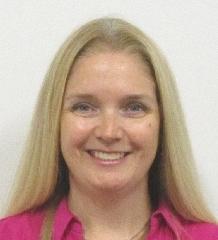
Dr. James Beck 00:00:11
Hello everyone, and welcome to our new season of the Parkinson's Foundation Expert Briefing Series. I'm Dr. James Beck, the Chief Scientific Officer of the Parkinson's Foundation. Today, I'm delighted to welcome you to our winter/spring series for 2021. This past year, my colleagues at the Foundation have produced a number of excellent online educational opportunities for everyone in the Parkinson's community. Our Expert Briefing Series today is no exception. The series for this winter and spring is devoted to the issue of PD symptom management, where we ask the question: Is it Parkinson's, is it medication, or is it aging?
Today is the first of three webinars in this series where we will dive deeper into this theme. Today's expert briefing will highlight the question of motor symptoms. As always, we want to bring useful information to our audience, and our presenters will be discussing a co-management strategy between occupational therapy and neurology. But before we begin, I want to share some exciting news and a new option for how to listen to our Expert Briefing Series. Starting with today's webinar, we will be making our Expert Briefing Series available in Spanish on our YouTube channel, Canal en Español.
It takes about four weeks for our team to get the translation ready to view, but keep an eye out for being able to listen to this in Spanish. Let's take care of some housekeeping. First, let me share with you how to navigate around the screen. Many of you are familiar with Zoom, but just a reminder that if you want to ask a question, you'll go to the Q&A in the lower right-hand corner. Also, you'll see as part of the chat, my colleague Camelia will push information on how to, for instance, download the slides. Look into the chat, and there'll be a link there on how to download the slides.
You can look at them as we discuss them today or save them for later reference. Also, if you are an allied health professional and are interested in taking this and listening to this expert briefing for continuing education credits, you can receive free CEUs for watching this webinar. There's a link here also in the chat on how to do that. You're eligible for one free CEU from the American Society on Aging for viewing this webinar. Click on the link now and it'll open up in another window. This will be your way to register and get your CEU.
We'll also be sending an email later to follow up on this. And if you're looking for a CEU, remember you have 30 days, and that's until March 9, 2021, to collect this free CEU.
As always, this Expert Briefing Series has been recorded, and it's going to be available on demand later this week. All those registered for today's webinar will receive an email with that link as well. So if you didn't catch everything that's going to be provided today by our presenters, you can go back and watch again or let your friends know about it as well. Right now, I want to ask everybody where they're from. We're going to put a poll available on the screen to ask who you are. Just take a moment to fill out this poll to see what your relationship to Parkinson's disease is as part of this process.
Give people a few moments to do so. If you're following us on Facebook Live, go in and type in where you're from, and we can keep track of that as well.
Okay. We're waiting for people to come in. We got the results. We've got most of the people in here are people who are living with Parkinson's disease, which is great, and a lot of their spouses and partners. About 10% of the people here are healthcare professionals. That's really fantastic. Really looking forward to providing some useful information to everyone as part of that.
Dr. James Beck 00:04:02
Let's get on with today's topic. As part of our symptom management series, with motor symptoms and co-management, occupational therapy and neurology, we'll be hearing not only from our expert presenters, Dr. Michael Okun and Lisa Warren, but also from Gretchen Rosswurm, who chairs our Parkinson's Foundation People with Parkinson's Council. We have them on the screen. Let me just give you a little bit of background about each of our presenters.
Dr. Okun is the executive director of the Norman Fixel Institute for Neurologic Diseases at the University of Florida, and he also chairs its department of neurology. He is the co-director of the US Center for Movement Disorders and Neurorestoration. Dr. Okun is a friend of ours and has been long dedicated to the interdisciplinary care concept that the Parkinson's Foundation champions through our Center of Excellence program. He currently serves as our national medical advisor and has worked closely with our 43 national and international Parkinson's Foundation Centers of Excellence to help really foster the best possible environments for care, research and outreach to the Parkinson's community.
He focuses on Parkinson's disease, dystonia, Tourette's and movement disorders in general.
Ms. Warren is an occupational therapist and rehabilitation manager at the Norman Fixel Institute for Neurologic Diseases, also in Gainesville, Florida. She has participated on a number of expert panels at the World Parkinson's Congress, co-authored posters that have been presented at major neurology conferences, and has provided Parkinson's treatment lectures at the local and international level. She has been a contributing author in the ongoing research on Parkinson's care. We're happy to have her today.
Gretchen Rosswurm, as I mentioned, is chair of our Parkinson's Council. She was diagnosed with PD in 2017 at the age of 52. Her commitment to the Parkinson's community really springs from a deep history of PD in her family, while at the same time believing that what seems as an impossible challenge that many people with Parkinson's face creates an opportunity for connection, healing and hope. Professionally, Gretchen's work experience centers around corporate philanthropy. She also blogs and writes some short fiction.
She lives in Dallas with her family and joined our Parkinson's Council in 2018 and was elected as chair this past year in 2020. It's my pleasure to welcome them each to our presentation. I will turn it over to Ms. Warren.
Lisa Warren 00:06:30
Thank you so much, Jim, and thanks to the Parkinson's Foundation for having us on today. Hi, everyone.
My name is Lisa Warren, and thank you for joining us. We hope to share some information with you today that maybe makes your lives a little bit easier if you're living with Parkinson's, or helps those of you who work in this field or have loved ones with Parkinson's. Hopefully, we help you to better understand the lives of those living with Parkinson's.
These are disclosures of Dr. Okun's National Institutes of Health research.
Our learning objectives today, what we're going to talk about, are the four motor symptoms most often associated with Parkinson's. By motor symptoms, we often mean movement symptoms. We hope to help you learn new strategies for managing these symptoms, and participants will learn how the physician, the therapist and the person with Parkinson's can integrate all the recommendations that you're given for better function and, hopefully, an improved quality of life.
We'll get started. The four cardinal motor symptoms of Parkinson's are listed here on the screen. Again, these are often referred to as the movement symptoms, the motor symptoms of Parkinson's. Tremor, which is shakiness, often we see that in our hands. It can be in the legs, can be in the chin, can be in all of the above. Bradykinesia, that's just a fancy word for slowness. Slowness of movement is also considered a motor symptom of Parkinson's.
Rigidity simply means muscle stiffness. That, again, is another one of the cardinal motor symptoms of Parkinson's. And then postural instability, which is balance changes. Your balance may not be quite as good as it was before.
I want to take a poll here quickly. I want you to tell me, vote on what you consider to be the most challenging motor symptom between tremor; bradykinesia, the slowness; muscle rigidity being stiffness; and postural instability being balance difficulty. What do you consider to be the most challenging? If you're joining us by Zoom, you can vote on Zoom. If you're on Facebook Live, you can make comments as to what is your most challenging symptom.
Dr. Okun, while we're getting these votes in, can you tell us what it means, what cardinal symptoms mean?
Dr. Michael Okun 00:09:15
Yeah, it'd be my pleasure, and great to be with you, Lisa, and great to be with you, Gretchen, today. The word cardinal actually is a Latin word that means important. You may have actually heard of four other cardinal things before, and we often refer to the cardinal signs of the zodiac, right? Aries, Cancer, Libra and Capricorn. But when we talk about cardinal symptoms in terms of a disease state such as Parkinson's, usually we're talking about things that help us to make a diagnosis.
Lisa Warren 00:09:52
Terrific. And that was my next question: How do you get diagnosed with Parkinson's? Are these symptoms a big part of what helps you, as a movement disorders neurologist, diagnose someone with Parkinson's?
Dr. Michael Okun 00:10:05
Absolutely. We are keyed in, and these four cardinal symptoms are part of the criteria that we use to try to decide whether we're dealing with somebody who may or may not have Parkinson's, or just has symptoms but may not qualify for a diagnosis of Parkinson's disease. But it all starts here. Now, we're going to be a little bit focused here on what are called motor symptoms.
So movement-related symptoms and stiffness and slowness and postural instability, but we don't want to forget that there are also non-motor symptoms, things like depression, anxiety and sleep deprivation. Although we won't cover those, those can also pop up. And then finally, just to make sure that we're being well-rounded, there are these prodromal symptoms. Some people act out their dreams or have problems with smell or constipation. Today, we're going to focus on the four cardinal, or as we say in Latin, important symptoms of Parkinson's.
Lisa Warren 00:11:12
They are indeed very important. It's interesting on our poll that tremor and postural instability are really neck and neck. There seem to be a few more people that consider postural instability to be more challenging, but tremor is right behind, and then rigidity and the slowness being the least of what you find the most challenging.
Let's start our discussion with tremor. Let's talk about that shakiness that many of you may experience. The majority of folks with tremor with Parkinson's experience this tremor mostly at rest. As I mentioned earlier, it can be shakiness of the hands, the legs, the chin can even tremor. It typically affects one side of the body, at least initially, may very well move to the other side, and it may fluctuate throughout the day. It may be worse at one point, better at another, and from day to day, it's a little bit different.
We talk about what's Parkinson's and what are age-related changes. We don't necessarily consider tremor an age-related change. There are multiple types of tremor that we can experience, but a Parkinson's tremor is a rest tremor that is seen most often when you aren't using your hands. That's why it's called a rest tremor. When you activate the muscles of your hand, it often helps to settle the tremor. Doesn't mean it goes away completely. You can still have a little bit of tremor with movement, but movement tends to help it to suppress or help to suppress the tremor.
Often folks with tremor find it more irritating or fatiguing, more so than actually debilitating, because to use their hands, they often get a little bit of tremor suppression. As I mentioned in the beginning, it often starts on one side of the body but can move to both sides. Then using both hands can become much more challenging if both of your hands are trembling, or more fatiguing, quite honestly, if you're trembling throughout the day.
Dr. Okun, when a person with Parkinson's comes to you and they're telling you that this tremor is really bothersome, what can you as a movement disorders neurologist do to help them with this tremor?
Dr. Michael Okun 00:13:36
Yeah, thank you for the question. We, in general, spend a lot of time actually talking to folks, and that might surprise you to hear in this day and age as we rush people through. But it is super important that we understand your tremor. We understand if it's at rest. We will check to see if it's at rest, as you mentioned. That's the most common for Parkinson's. Sometimes you get a little bit of what's called a postural action tremor when you're intending to do things, and that might change our strategy a little bit.
Some people have tremors from when they're younger, and we need to separate those out and decide: are we dealing with somebody who had a little bit of tremor throughout their life and now they have Parkinson's, or maybe they were put on a medication and got a little bit of tremor? We want to be very sure that we're dealing with Parkinson's. We, of course, want to explore the idea of could we suppress this tremor by using medications or a cocktail of medications. The most common is dopamine replacement pills, sometimes called Sinemet. Sin means without, emet means vomit, so that's why we give both Sinemet together.
There are two components to that pill, and we want to treat the tremor there with dopamine replacement. If you're in Europe, you may have Madopar, which is another formulation of dopamine, and there are others like Rytary. But fundamentally, dopamine replacement is one strategy. We can tickle the receptors in the brain with something called a dopamine agonist, or we can use those in combination together. Of course, we watch out for side effects like passing out, or when you stand up, you get a little light-headed, or perhaps you may start buying a lot of things or shopping a lot on the internet.
We watch for impulse control disorders if we start those or in combination. Some folks will use other medicines occasionally, a medicine called amantadine, not super effective against tremor. Sometimes other medications may add a little bit, like monoamine oxidase inhibitors, but it's mainly those two. If you block a receptor in the brain that's called acetylcholine with drugs that are like Benadryl-like drugs, you can also suppress tremor, but we do that at the price of thinking problems. We try to create our best cocktail of medications to see if we can suppress the tremor.
If we can't do it with medications, then we start thinking about other things like deep brain stimulation.
Lisa Warren 00:16:12
Thank you.
As an occupational therapist, if you go to your OT with this same complaint, one of the things that we're going to discuss is managing your stressors. Your symptoms can increase, especially your tremor, with stressors. We all experience some type of stress. There are emotional stressors and there are physical stressors, and either one can increase your tremor. The emotional stressors being upset, frustrated, anxious, nervous, all the things that we all experience, can certainly increase tremor.
The physical stressors that we talk about are fatigue, being in pain, hungry, those types of things can also increase your tremor. Tremor fluctuates throughout the day. Certainly, managing your stressors to the best of your ability, and your occupational therapist can review some strategies with you. If the medication does help, as Dr. Okun had mentioned earlier, trying to time some of your activities with the medication on time when the medication's working really well. Try to time some of your activities where the tremor's most bothersome to a time when the medication's working.
The other thing that occupational therapists can help you with are adaptive devices. Many folks come into the clinic and have heard about or are interested in weighted utensils, so heavier utensils. My advice on that is try them, because it just depends. If you don't have much tremor with action, these devices may not be that helpful. If you do have more tremor with action, then it could be that they're helpful. So I would say trial some of these things with your occupational therapist before you purchase them. There are special pens.
There are a lot of different things that can help you with your task if tremor is interfering. Gretchen, as someone with Parkinson's, has tremor been a concern of yours or something that you've had to manage?
Gretchen Rosswurm 00:18:38
Yes, definitely.
I think it was one of the things that I first noticed when I thought perhaps there was something going on more than just what I hoped it wouldn't be, I guess. What I'm saying is that was when I thought I had Parkinson's, when I saw the tremor. I had seen that with members of my family, so it's a difficult thing for me. It is a signal that something's wrong, and also really, from my standpoint, I felt very vulnerable, and I still do with the tremor, because it's something that anyone can notice.
I really relate to people who also have a tremor and feel a sense of vulnerability that comes with it. But I also believe I have found ways for myself to improve it every day.
Lisa Warren 00:19:36
Excellent.
That's a really good point because I do hear that quite frequently, that people are a little more self-conscious. Sometimes people are embarrassed by it, but just feel like people may notice the tremor because it is something that you can see. Each of us has come up with a take-home tip on managing tremors. Dr. Okun, if you'll review yours with us.
Dr. Michael Okun 00:20:02
Yes. A couple of points here. First of all, remember that one in five folks with Parkinson's actually don't have tremor. Okay, that's one.
Two, as for the live chat, if you do have a lot of postural action tremor, someone asked on the live chat, that may be something a little different, or sometimes we have subtypes of Parkinson's that mix that in. We might have to use different medicines like beta blockers or anticonvulsants like primidone. Remember that 20% or more, and in some series even more, folks have resistant tremor. That means it's resistant to medications or partially resistant to medications. In these cases, we consider deep brain stimulation.
There's also an FDA-approved therapy called focused ultrasound for one side of the brain that could also be a treatment option.
Lisa Warren 00:20:58
Thank you.
I think that's a really good point, that not everyone with Parkinson's has tremor. I think a lot of folks may not be as aware of that. We associate tremor so closely with Parkinson's, but not everybody does. Unfortunately, the medication doesn't always help with tremor, so that's a really good point. For me, just remembering that tremors fluctuate, managing those stressors, emotional and physical stressors to the best of your ability, can really help to reduce the tremors as well as timing your medication if you're getting benefit from your medication and suppressing tremors.
Gretchen, what would you say as a take-home message?
Gretchen Rosswurm 00:21:40
Well, I've tried a few different things. One is definitely managing stress. For me, that means staying within my body and taking deep breaths, just continually being aware of how I can manage that since the mention of tremor through this deeper breathing in particular. Meditation helps as well. I also meditate a few days a week, and that seems to help. Exercising takes the edge off of anxiety and therefore helps tremors as well.
I think talking with friends about things you might be experiencing that could be causing some anxiety also will help with the tremor. Finally, one of the things that I enjoy doing, for example, is coloring in these adult coloring books. I've noticed I have no tremor when I'm doing that. I think that just really helps me chill out and take my mind somewhere else. By having hobbies, meditating and deep breathing, that helps my tremors quite a bit.
Lisa Warren 00:22:53
I think those are all great strategies. On to our next symptom, the next motor symptom that we're going to talk about is bradykinesia, so slowness of movement. With this, when you're moving slower, everything takes longer. You may have difficulty starting movements. You may have stillness, decreased facial expression, everything may slow down. This is one of those things, too, that as we age, we get a little bit slower. Those without Parkinson's tend to slow down as they age.
When we get older, just in the general population, we often choose accuracy over speed, and often it's a wise decision to be more accurate than to be faster. We do see slowness with everyone, the general population, as we age, but then bradykinesia is a little bit different. This is an exaggerated slowness. Your neurologist or your therapist can watch your speed of movements and really recognize when movements may be abnormally slow for your age. Doctor, when a person with Parkinson's comes to you and they're struggling with the bradykinesia, the slowness of movement, what can you do to help?
Dr. Michael Okun 00:24:09
Yeah, so bradykinesia, as you mentioned, Lisa, brady means slow in many languages, not just in English. Bradipo is a sloth in Italian. We think about these slow movements being some of the most disabling that we see, and sometimes heartbreaking. One of the things that I've kind of picked up over time, been taught by folks that I've seen in the clinic, like Gretchen and others who have taught me, is paying attention not just to the cocktail of the dosages that we give, but paying attention to the timing, because a lot of times there are good hours during the day.
We need to figure out when the good hours are and when the not-so-good hours are. If we can optimize the medicine, sometimes simply by moving them closer together, using cocktails and then trying to create a complementary approach, we can speed people up. This slowness that we get can also affect things like eating at the dinner table, can affect other things in their quality of life. While we're doing medication optimization, we're sending all those patients, all those persons with Parkinson's, to you, Lisa. And then I'll just say, back at you, that one of the questions online was whether you could move a little closer to the microphone and talk a little bit louder.
Lisa Warren 00:25:42
Absolutely. That I can do. All right. Thank you, Dr. Okun.
One of the things that I often share with persons with Parkinson's is slow is not always bad. Now, I know there's an extreme slowness, and that's very frustrating and absolutely affects our quality of life. But moving a little bit slower isn't always a bad thing. Moving at the rate of speed your body's prepared to move at will make you more accurate. As I was saying before, we often will choose accuracy over speed as we age. But one of the best strategies that I have for this is medication timing. If the medication that Dr. Okun is talking about allows you to move a little bit easier, a little bit quicker, certainly make sure your medication is on before you're doing many activities during the day.
Plan extra time for your tasks. It may take you longer to get ready in the morning, so definitely prepare and allow more time, because if you get frustrated and try to rush, then your symptoms may increase, tremor may become worse, those types of things, and it may actually take you longer because you're trying to rush. Gretchen, is this something that you have had to deal with? And if so, what have you found to be helpful?
Gretchen Rosswurm 00:27:00
Yes, I'm familiar with being slower than I'm used to. I find it frustrating. I feel like sometimes a turtle trying to cross the road, and you know how long it takes the turtle to get across the road. But as with this one, we'll talk about it. There are things I think that, at least things I found, have helped me be able to manage some of the bradykinesia fairly well.
Lisa Warren 00:27:28
Okay. Thank you. And so our take-home tips, Dr. Okun?
Dr. Michael Okun 00:27:34
Yeah, one of the things that I always say to folks, and I just got a question about someone having trouble with guitar, is there isn't an exact formula to be successful in Parkinson's. If you're a person with Parkinson's, you have to work with your team to figure that out. One of the things that our team has, over the years, taught me, and the persons with Parkinson's like Gretchen have taught me, is that you have to be flexible.
We've learned that there are some tasks, whether you're a professional athlete or professional musician, if you take a little bit of Sinemet or Madopar or a dopamine replacement like Rytary 30 minutes before the task, you may be able to do better with the task, particularly if it's fine dexterity. That's just a little tip and a little pearl. Of course, you want to make sure you've optimized dose and timing.
Lisa Warren 00:28:32
Absolutely. My take-home is just to allow extra time to accomplish some of those bigger tasks, getting ready in the morning, showering, dressing, those types of things. Gretchen, what would your message be?
Gretchen Rosswurm 00:28:46
One of the things that has helped me a lot is exercise, exercise that is specifically for people with Parkinson's, because this is one of the things that the group that I work with focuses on every time, which is how to increase not only how well we can stretch and fully bring out our arms, for example, but also can we punch? Can we make a quick movement and really focus on working against the bradykinesia? I found that to be really helpful.
I love tossing a ball. I toss a ball almost every day, so that helps me work on my right hand to be able to catch a quick ball that's coming at me. And I mentioned the coloring; that's been good. And mancala is a great thing for bradykinesia as well. Mancala is a very old game that involves taking small pieces of glass, polished glass, and moving it around. Those are the kinds of things that I've been doing with bradykinesia that have helped me fight back.
Lisa Warren 00:29:59
Those are great tips. Great tips. On to our next symptom: rigidity.
Muscle rigidity is muscle stiffness. These two go hand in hand, the bradykinesia and the rigidity, and really work to make life a little more challenging. This is stiffness. It can be throughout the body. It usually occurs on one side, at least initially, will typically move to the other side, and it may cause pain or cramping.
Cramping in Parkinson's, we call that dystonia. It's not unusual to have some toe curling, or a foot turns in, or your hand gets fisted, or around your neck you may have some muscle cramping. You may experience dystonia with your Parkinson's. That is muscle stiffness that makes it really, really difficult to move. When muscles are tight, it takes more effort to move those muscles, and so you fatigue a bit quicker.
You put the same amount of effort into moving a stiff muscle, you're not going to get the same results that you do when you're moving a relaxed muscle. As I mentioned, these can cause pain. Often folks with Parkinson's have low back pain. They can have pain anywhere, quite honestly, but stiff muscles can certainly cause some discomfort. Again, as we age, we associate stiffness with the aging process. More often with aging, we have joint stiffness. But we also lose some flexibility.
It is hard at times to differentiate between what is rigidity related to Parkinson's and what is just age-related stiffness. Your neurologist or your therapist can move you around, move your relaxed arms or legs around, and feel the resistance in the muscle or the lack of laxity that you might have in your muscle to grade the amount of muscle stiffness, muscle rigidity.
Dr. Okun, when the person with Parkinson's comes into your clinic and they're having a lot of difficulty with muscle stiffness, what can you do to help them?
Dr. Michael Okun 00:32:11
Yeah. When we think about this, we typically take the approach that there are things that are important that you can't see. Not all of the world is Zoomable, and so when we have the opportunity to see you in person, a good neurologist, in my opinion, a reasonable neurologist, will actually touch you when they examine you. One of the things that they do is move your wrist very slowly back and forth. It's called, in French, a pronation maneuver.
You may feel some ticking as you move it. It's kind of like with old-fashioned trains as they go up the hill. You imagine sometimes they have to have a cog in the track. They drop the cog, and it goes click, click, click. It's the same thing like a roller coaster as you're going up. You hear that click, click, click, click. When you hear that or you feel that, when you feel it in Parkinson's, we call that cogwheel rigidity, where you can actually see the tremor blending in with the stiffness or the slowness.
You can have rigidity in your neck, you can have it in your arms, you can have it in your legs. One of the most important things is that you check for it because it can be disabling, it can be painful, and sometimes it can even have dystonia, where the symptoms happen, muscles fight against each other and the hands clench or the toes push down.
We will optimize medications, but also make sure that we're giving medicines on time every time and not letting them wear off for a symptom we can't see. So we have to do a lot of education and a lot of back and forth. One of the online questions, too, was about whether there are things you can do online for rigidity and for other things and exercise classes. There are, actually. There's a great free Helpline that we use all the time, 1-800-4PD-INFO, that the Parkinson's Foundation has. 1-800, the number 4, PD-INFO. For those of you that aren't old enough to know this, there are letters on each number of your telephone, 1-800-4PD-INFO, and they can hook you up with those resources through the Parkinson's Foundation.
Lisa Warren 00:34:34
Thank you, Dr. Okun. One of the comments that you made is so true, talking about we can't see rigidity; we have to feel it. I often find that's true for the person experiencing it. It's harder to recognize the rigidity because you can't see it. You can see a tremor, you can tell when your balance is off, you can see slowness of movement, but you can't see muscle stiffness. And it creeps in slowly. Often, it becomes our new normal. I do find that when you're living with it, it's a little bit harder to recognize it than when we move you around and we can feel it.
What do you do about it? Certainly, exercise is really, really important. Stretching can be beneficial with stiff muscles. The biggest help with all of this is medication on time, as Dr. Okun has talked about. If the medication gives you benefit with this muscle stiffness, taking it on time will certainly help you to move. These stiff muscles will reduce some of that tightness.
A couple of the things that an occupational therapist might suggest to you: people who have muscle rigidity, muscle stiffness, have difficulty getting on a jacket, getting on a shirt that buttons up the front. One thing you want to remember is the stiffest arm, the one that's the hardest to move, needs to be the first one in. First one in, last one out of a shirt or a jacket. Those are the easiest. Save the arm that's the most mobile, that's the most flexible, to do the reaching behind into the jacket. So the stiffest side, typically it's the side your Parkinson's started on, that needs to be the first one in and the last one out.
One of the other things that is often problematic is spilling food off the utensil. Certainly, tremor can cause that to happen, but as we talked about, tremor is mostly a rest tremor. It doesn't tend to cause too much trouble with eating, but certainly the rigidity does. I mentioned it takes more effort to get the same result. Often what we see with eating is you scoop your food, but you don't rotate the forearm quite enough to level off the utensil, so food slides off.
If that's happening to you, give it a little more oomph, an exaggerated movement, a little more effort to rotate that forearm to get the utensil level. Some strategies like that, the occupational therapist can take a look at what's going on, what you consider to be most problematic, figure out exactly what it is, and then offer some suggestions to help manage. Gretchen, is this something that you've had to deal with? And if so, what's it like for you?
Gretchen Rosswurm 00:37:23
I have experienced rigidity, and for me, what it feels like is not myself. I don't feel like myself because I feel like I walk differently and am not presenting myself as I normally would. That's how it feels to me. It's like, I don't like this. We'll talk a little bit about what we can do about rigidity.
Dr. Michael Okun 00:37:54
And Lisa, I think one of our listeners would like to get a little bit of direction as to where they can purchase heavy utensils for tremors. They have that up in the chat.
Lisa Warren 00:38:07
One of the best locations is Amazon, which has a lot of different options. I will tell you that my favorite weighted utensils are not the ones with the fat handles. Everyone has seen the ones that have the built-up handles, the ergonomic handles. Just a brief tip on that is that when you get the built-up handles, your grip on the utensil is different. Once you change the grip, you change the entire mechanics of the spearing, the scooping and bringing the utensil to your mouth.
There are weighted utensils that look more normal, if you will, look like standard utensils, and those are also on Amazon and some of the durable medical equipment companies' websites. Those are my preference because you can hold them just like you hold a regular fork. They look much like a regular fork. They are a little bit thicker, but they don't have the black built-up handles, which are fantastic if you have arthritis in your hands.
But if you're just trying to get something to manage tremors, give you a little more assistance with eating, I would say go for the handles that look like regular utensils but have some weight to them. On any of those sites, it will tell you the weight of the utensils, and most of them are pretty similar in how much they weigh. That's a really good question.
For my take-home tip with rigidity: stretch. Warm up the muscles. If things are getting slow and labor-intensive, stretch the muscles. Warm up the muscles before you start doing something. If you are on the computer typing and it gets slow, it gets labor-intensive, you're feeling that stiffness that Gretchen was describing, stretch. Stretch the muscles in your hands and your arms, and it will help you move a little bit easier. It's temporary. You may have to stretch again, but just stay at it and keep moving. Gretchen, what is your take-home tip for us?
Gretchen Rosswurm 00:40:11
Well, I have several. Just reiterating, the stretching is so important. I stretch every day, and I stretch anytime I have a free moment. I'll focus on something that might be bothering me, or just knowing that, okay, I need to keep this arm, for example, my right arm, in good working order. So that is one way, obviously, is stretching. If you need to be able to sit, there's a lot of videos and other workouts that are specifically yoga-oriented, but they're from a seated position. If you prefer to sit for your stretching, that's a great way to do that.
And then for me, again, I've been focusing on my gait and my arm swing, and that is helping me a lot. I'm literally seeing my gait get better. I believe it can happen. It just takes constancy of purpose. Finally, another one of my early symptoms was minuscule handwriting. I work on my handwriting almost every day, and it takes really big motions, and I think it addresses a number of the symptoms that we're dealing with. I don't enjoy, but I do my handwriting frequently as well.
Dr. Michael Okun 00:41:39
I'll also mention, in the chat, we have a question about whether we commonly use muscle relaxers like baclofen and others that are quite sedating in Parkinson's. The answer is actually no. We try to optimize folks with more dopaminergics and cocktails, and we very rarely use those. It's not that we won't, but it should be a last line and very rare. And then one other question or comment is they want us all to speak a little bit louder and lean into our microphones. So thank you.
Lisa Warren 00:42:19
Dr. Okun, I think I may have skipped your take-home tip. What is your take-home tip for rigidity?
Dr. Michael Okun 00:42:25
Well, I'm a pretty redundant guy, and so on time, every time with medication is the one that's really going to give you success in this area.
Lisa Warren 00:42:38
Absolutely. Thank you. All right.
That brings us to the last cardinal symptom that we're going to be talking about today, and that is postural instability. That simply means balance changes. It certainly can lead to falls, and then often if people are falling, they become reluctant to participate in activities, and we know it's super important that you remain active with Parkinson's. Balance and balance reactions also change with age. We do have age-related changes that are happening at the same time our postural instability with Parkinson's is happening. This is a tough one to manage.
You certainly want to exercise, stay active, work on core stability, and as Gretchen has mentioned before and a couple of times, just the importance of stretching, of exercise and being present. She thinks about how she's walking; she thinks about her balance.
Often our posture becomes slumped forward. Now, a lot of us sit that way, especially those that are on the computer all day, and so many of us are in that slumped posture. With Parkinson's, you want to stretch. You want to stretch those core muscles, arch your low back, and sit up straight or stand up straight throughout the day. You can't maintain that all day long. That would be just about impossible to do. But when you notice that you're slumped, fix it. Arch, sit up straight, straighten your back, and try to prevent those postural muscles from shortening into that position.
Dr. Okun, here again, what can a movement disorders neurologist do to address postural instability?
Dr. Michael Okun 00:44:21
Right. The first thing that we do is, again, we will touch the person with Parkinson's. I know that sounds crazy because many of you probably don't get touched by your physicians, but what we will do is we will actually stand behind the person, pull on their shoulders and ask them to try to maintain their balance with a quick jerk on their shoulders. We'll give them some practice and even allow them to take a step backwards. We should be doing this at every visit. If you're not asked to do this, you might want to remind your practitioner to do this.
By judging how many steps you'd have to take or whether you can correct your balance, that tells us whether or not you have what's called a postural reflex. This is the areas of the brain, many of which are deep in the brain stem, but there are also other areas that are important to this, that allow you to maintain your balance, and when things change around you and your environment changes, the curb changes, you can maintain your balance. We must, as a first step, identify whether you have any balance problems and whether you can recover, and track that over time.
Once we've developed that, we have to give a lot of counseling for preventing falls. We want to prevent as a key word here. If you have any postural instability, we want to prevent falls. We do want to optimize medications, and so it is a bit of a myth to say that medicines never help with balance or walking. They actually can help in some cases, particularly earlier and in the earlier and mid portions of the Parkinson's diagnosis, but sometimes even later on as well.
We want to optimize those medicines, we want to assess the postural reflexes, we want to counsel the folks, and we want to get them over to your shop in rehabilitation and begin to work together. And we're hopefully working together. We wrote about this in the JAMA review article in February of last year. We believe that these are first line. We should be working together with our physical and occupational speech and swallow therapists right from the diagnosis. We should be tracking these symptoms together and trying to optimize medications and optimize the behavioral and rehabilitative therapies.
Lisa Warren 00:46:48
Excellent. I couldn't agree more. That is one of the comments I wanted to make, is it is never too early to see your therapist. We'd rather see you before it becomes a problem, and maybe we can prevent it or at the very least delay it. Certainly, it's never too late to see the therapist either.
One of the things, or some of the things the occupational therapist is going to address in this area, is talk to you about removing some of the hazards in your home, like throw rugs; making sure that you have proper lighting; maybe use of night lights at night to help you see where you're going; having grab bars in the shower, around the toilet, areas that people are likely to fall or can fall, where falls most likely happen.
Multitasking becomes difficult. We're going to talk to you about minimizing the number of things you're doing at once, or maybe you sit to do things instead of standing so we don't have to worry about balance. Talking about dressing, we want you to sit down to put your pants on. Standing on one foot to thread the other foot through a pant leg, there are no bonus points for standing to put your pants on. So sit, put your feet into your pant leg, stand up, and then go work on your balance. We don't mind you standing on one foot, but don't do it while the other foot is hung in a pant leg. Just some tips to minimize the fall risk. Gretchen, how have you managed the symptom of postural instability?
Gretchen Rosswurm 00:48:12
This is something I've been working on proactively for some time. I was diagnosed in 2017, and I've been working on balance throughout that time. For example, I got a balance board pretty early in my diagnosis and started using that, and that has helped me quite a bit.
I want to do the best I can with myself, especially as it relates to balance, because I know so much that can happen to your life if the balance is off and continues to get worse. For me, it's been very much a proactive stance.
Lisa Warren 00:49:00
Very good. And so our take-home tips for dealing with postural instability, Dr. Okun.
Dr. Michael Okun 00:49:08
Yes. The tip here is that it's not always in the cocktail, right? So don't depend on just your medications. Integrate. Be early with your interventions, have your team together, integrate your care, and then the last tip is one that we've learned the hard way in the school of hard knocks, and that's don't take your therapies as bursts of therapy.
Parkinson's is a disease of cueing, which means if you start a therapy like physical therapy or something for your balance, you do six weeks of it. Just like if you had a stroke, you might come out of the hospital, do six weeks of therapy. That might be how Medicare wants to reimburse it. That's not the best approach for Parkinson's. You want to have a regular daily exercise program, and you want to spread those physical therapy appointments out and have them consistently throughout the year. So you want to make sure that you're not doing bursts of therapy, and you're staying preventative and using assistive devices when you need to.
Lisa Warren 00:50:12
Excellent. Good point. For OT, certainly minimizing multitasking. Standing to put your pants on is multitasking. So minimize that when you can. Focus on walking when you're walking. Focus on moving safely.
I couldn't agree with Dr. Okun more about spreading out your therapy. We need to see you through the duration, through the changes. Seeing you in six weeks and discharging is not as beneficial as if we see you throughout the year as you're changing. And Gretchen, what is your take-home message for this?
Gretchen Rosswurm 00:50:46
Well, a couple of things. As I mentioned, the balance board, and that's something that a person with Parkinson's might want to utilize to improve their balance or maintain their balance. You probably want to have someone nearby who can perhaps hold your hands or be nearby in case they're needed, but yeah, the balance board is very helpful. Focusing, for me, taking big steps, walking with big steps and confidence.
And then the other thing I would say is that I think it's important for anyone who has Parkinson's to know if they're going to take a fall, if they're feeling that that's going to happen, they know how to get back up. And so I think that's an important element that can come through, whether it's an exercise program that does that or through, I guess, perhaps OTs, if I'm right about that. And so that helps as well. And exercise that helps us be stronger, especially in our legs, which is what helps us prevent falls as well. So those are my tips.
Lisa Warren 00:51:58
Absolutely. Yep, excellent advice. So that brings us to the end. I would like to thank you all for being a part of this program today.
Dr. James Beck 00:52:09
Yeah. Thank you, Lisa, Dr. Okun and Gretchen. That was a fantastic presentation. Really, I think, super useful advice, and kudos to Dr. Okun, who was getting in there into the chat and starting to answer some of the questions directly. Didn't quite get to them all, so we still have a lot of questions to go through, and I've seen some of them come through.
Just a reminder, and I'll ask my colleague to push it through again into the chat, this presentation is being recorded. If you want to download slides, you can do that right now. She can push that link again, and information for CEUs is coming through. It takes about a week for this to go from today to being made available online again, and we're going to be translating this. It's going to be overdubbed in Spanish in about a month. So we'll have that information available for everyone as well in a little bit.
First, let's tackle some of the questions that have come in. And if we can just for a second, because we've got a really broad audience here, people from Facebook, which is fantastic, sending in questions, and people who are new to the Foundation. A basic question that's come through, I've seen this one came from Mumbai on Facebook, is, how is Parkinson's disease diagnosed to begin with? I know it's a very general question, but let's get to that, and I think we can really dive into some of these other questions as well. Maybe, Doctor, if you want to tackle that one.
Dr. Michael Okun 00:53:37
Sure. Well, it's great to have a question from Mumbai. It might surprise you that the answer is still based on a good clinical examination, meaning that we need to check for particularly those cardinal motor symptoms that we talked about: tremor, stiffness, slowness, the rigidity. And we need to quantify how much of those that you have, and we can apply criteria to decide whether or not we think you have Parkinson's.
But also, we tell folks not to jump to conclusions right away. Yogi Berra used to say, don't hit all your home runs in spring training. And so for those of you who are Americans, you don't want to jump to a diagnosis too quickly. It's also helpful to see how you respond to therapies like dopamine and dopamine agonists. And so we put that into the equation.
We also recognize that there are symptoms that may appear many years, sometimes 10, 20 years, before the diagnosis of Parkinson's. Some people have referred to them as prodromal symptoms or symptoms that occur before Parkinson's. And we mentioned that those might be loss of smell, those might be acting out your dreams or constipation. And so those aren't 100%, but that might be the clues that you're headed in that direction.
In the United States and in many areas around the world, there is a test called a DaTscan, a dopamine transporter scan, that's been approved to help in the differentiation between Parkinson's and another disorder called essential tremor. That's that tremor that you get when you intend to move. So it doesn't tell you that you specifically have Parkinson's. It tells you there's something wrong with your dopaminergic system and can sometimes be helpful to sort things out if there's a little bit of concern.
We do have some research modalities that are out there, some special MRIs, some PET scanners, and depending on the experts, we are getting better, and hopefully Dr. Beck will have some better diagnostic tools as we get along. But as it goes, the neurologist still gets to use their hands and their eyes to do this with their bag of tricks.
Dr. James Beck 00:55:59
Yeah, excellent. This still remains a diagnosis where having a good clinician is so important. And I'm glad that our Foundation is able to sponsor a number of fellowships to ensure neurologists are getting trained in this area as well.
Another question, Dr. Okun, just to follow up with: you mentioned the importance of taking medications on time, every time. And I think that can help with a lot of people who are maybe seeing changes and variations in their PD perhaps during the day. But you also mentioned the issue around if there's a special event that's coming up, about taking medication for that. How do you generally counsel your patients in that area? Is this something that they should be talking to their doctor about, or is this something that, having enough experience with something like Sinemet or some of the adjunct therapies, they could do on their own?
Dr. Michael Okun 00:56:55
Yeah. So thank you for that question. What I found over the years in attacking problems in a very multidisciplinary way, so you've got your therapists and you've got your prescribers — I call us drug dealers, the ones that are giving out the drugs — and thinking through the strategies for individuals, it didn't occur to me earlier on in my career that everything wasn't a one-size-fits-all.
Then as we get wisdom and we move forward, we realize that perhaps the majority of folks with Parkinson's are going to be just fine with the regimens. We'll adjust them. But we do have people that want to go out on these super long bike rides or who are struggling when they're going to the gym to work out every day, that they are playing a gig and they're the drummer in the gig and they need to be able to have the rhythm be on pace with the rest of the musicians.
And we have found, whether you're a professional performance athlete or not, sometimes you can work out a regimen and a deal with your doc where you can control your symptoms during times when it's a little bit more intense by just taking a little bit more dopamine, maybe a half a tablet of levodopa before things. And maybe Lisa wants to comment because I know you've seen some of these folks come through occupational therapy.
Lisa Warren 00:58:18
I think what's really important to remember is the best thing the medication does is it helps you function. And so if you think about it that way, it helps you do the things you need to do or want to do during the day. And so, as Dr. Okun said, timing your activities or, in this case, timing the medication with your activities can be really beneficial.
Dr. James Beck 00:58:46
Excellent. And so just one last question regarding medication. I know we've talked about rigidity and, I think, the very clear way of testing it among people with Parkinson's. There's some discussion I've seen in some of the questions coming through where people are wondering, are muscle relaxers really the solution to rigidity, or is it really making certain people have enough Sinemet as necessary in order to help reduce the rigidity? What's your thoughts on that?
Dr. Michael Okun 00:59:16
Well, from a neurologist's perspective, we will see when folks come in, particularly when they're not diagnosed appropriately with Parkinson's, and maybe they're not shrugging their shoulder as much or they have a little bit of shoulder pain or something. And they'll go through the motions. They might even have an inappropriate orthopedic surgery on their shoulder or on the wrist, and so we see that as well. And so that's where we most commonly will see the use of muscle relaxants, when the diagnosis isn't correct. And so I just want to point that out.
It's not that muscle relaxants can't be useful to try to get those muscles to tense down and how they contract and how those fibers in the muscles, just to get them a little bit looser for folks. But by far the number one way to address this in Parkinson's is to adjust the medications, the dopaminergics and the regular dopamine replacement or dopamine agonists, and then in some cases using botulinum toxin.
The other issue with the muscle relaxants is they're quite sedating, and they can actually contribute to folks having balance problems and falling problems and having trouble doing activities. In fact, if we start them, we've learned from wisdom that sometimes we send them to the therapists, to Lisa and to our speech therapists and also to our physical therapists, and they just can't function well enough to get the gains.
Dr. James Beck 01:00:59
Wow, that's something good to know. And speaking of issues around falls, Ms. Warren, a question's come through, a person who really likes to exercise, they like to play tennis. Their balance isn't great, but exercise is so important, and something like tennis where you've got that switching, which I think would be great to improve balance overall. What is your advice to people like that who are looking for ways to maintain that activity, maintain that muscle strength and yet still combat the problems they face with Parkinson's?
Lisa Warren 01:01:30
That's a great question. And we want them to maintain these quality-of-life activities. So these are things that are important to people. If you enjoy playing tennis, we want to keep you playing tennis as long as possible. We do fear falls, and we want to be very aware of that. And so having a therapist that you see frequently, as Dr. Okun was talking about earlier, as we mentioned, throughout the duration of your diagnosis will help you stay on top of those balance issues.
In our clinic, it's not unusual for us to see a patient once or twice a month, but throughout the year. We may only see them 12 to 24 times total, but it is throughout the progression. It is throughout the duration of the diagnosis. So if that day comes where playing tennis is a little too risky because of falls, then let's look for an alternative.
Pickleball is very big in Florida. I know it's big in California too, which is sort of a mini version, I suppose, of tennis. The court's a bit smaller. The net, I don't think, is quite as tall, so you don't have to move quite as much. But a lot of our folks really enjoy playing pickleball. So maybe there's an alternative that still keeps you active, is something similar, but might be safer. But again, our goal is to keep you doing the activities that you enjoy as long as possible, but also as safely as possible.
Dr. James Beck 01:03:01
Absolutely. I think that's great. And I'll just continue on this issue around falls because it's such a pervasive one that many people with Parkinson's fear, and I know there's a lot of anxiety around it. Gretchen, hopefully — she just went off camera — but a question to her and maybe to you, Ms. Warren, is how do people deal with anxiety around falls? Again, it's an activity issue. It's something that's not well controlled, but we want people to be moving and not stuck in their chair because they are afraid to get up and move.
Lisa Warren 01:03:36
Absolutely. I was going to give Gretchen a chance to see if she was still available to answer.
Gretchen Rosswurm 01:03:42
I'm here, but I can't find my camera at the moment.
Lisa Warren 01:03:48
Well, we can hear you.
Gretchen Rosswurm 01:03:50
Okay, that's fine. Oh, there we go. Start my video. Thank you, some lovely person on the other side. Okay.
Lisa Warren 01:03:59
Did you hear the question?
Gretchen Rosswurm 01:04:01
No, I didn't.
Dr. James Beck 01:04:02
Sorry. So, Gretchen, we were just asking about, there's a lot of anxiety people may feel around falling. And I didn't know how you've been able to, because you've mentioned it's an issue, thinking about getting back up, but that's certainly part of it. How do you wrestle with anxiety around this?
Gretchen Rosswurm 01:04:20
Well, my approach has been to be proactive. So I, knock on wood, have not had a fall since I was diagnosed with Parkinson's. And I have really counted on exercise, staying as strong as I can, and doing those kinds of things that will help prevent a fall.
But at the same time, early on I had worked with someone who taught me how to fall safely, if you can, and how to get up, especially if you're by yourself. And I think everyone should have that basic and fundamental skill as someone with Parkinson's.
Dr. James Beck 01:05:07
Absolutely. Ms. Warren, anything to add?
Lisa Warren 01:05:10
Yeah, I'd just like to say we know it's important that you stay active, and this is a common problem that after you experience a fall, people are very fearful and have a lot of anxiety about falling again or falling in public and being embarrassed about that.
If an assistive device is recommended to keep you safe, it's better to utilize that assistive device and be active than to choose not to do either. If it means a walker or a cane or whatever it takes to get you safe, if that allows you to be active, to do the things you enjoy, to visit family or the grandkids' sporting events, then by all means, utilize that assistive device, stay safe, and get out and enjoy life. Stay engaged in life.
Dr. James Beck 01:05:59
Excellent. We're a little bit over time, but I just wanted to get one last question for Gretchen. A couple of people have asked, one on Facebook, what's your handwriting program? You mentioned that as such a real practical issue to deal with. So, love to hear what you're using to tackle this.
Gretchen Rosswurm 01:06:17
Paper and pen. It's not too complicated. It takes more guts to do it, to be honest with you, than it does anything else because it's facing one of my worst fears, not being able to use my hand or write.
I've been taught through occupational therapy to do these extremely large motions so that we're getting to this place where we can create legible handwriting and also continue to create use in that hand. I write like this on just a big piece of paper, and I color, and that seems to help quite a bit. And it has to be done on a consistent basis.
Dr. James Beck 01:07:05
Absolutely. And this one, is there a website or example? Are you just transcribing stuff down, or are you just writing your thoughts down? I mean, is there any specific plan with which to do it?
Gretchen Rosswurm 01:07:19
I've done different things. Yes, I've written things out of books. I have been given, okay, here's an example of something, blah, blah, blah, write it. So nothing, yeah, nothing. You could pick up anything. You could write the alphabet, write your kids' names, those kinds of things that just give us the opportunity to really find a confident measure on our handwriting.
Dr. James Beck 01:07:54
Excellent. All right, well, I think we need to end there. I want to thank everyone again, Dr. Okun, Ms. Warren, Gretchen, for presenting to us today. It's been a fantastic presentation, and thank everyone for listening. But I don't want anyone to leave just yet. Just want to remind you again, this has been recorded and it's available for everyone to look at in about a week.
Theravance Biopharma has really been able to help put this presentation on, so we appreciate their support and giving us funding that's necessary to do that, as is required for all our things that we do. Just want to remind everyone again, CEUs are available, recordings available on demand in about a week, and in about a month we'll have it in Spanish as well for those people who would prefer it in Spanish.
We've just completed check mark for today's symptom management seminar or expert briefing. We've got two more. The next one is Tuesday, March 9th at 1:00 p.m., and then the last one will be April 20th. Looking forward to learning about some of the non-motor symptoms when it comes to symptom management.
We've got a number of resources available for everyone. Our website is very rich. Our 800 number, 1-800-4PD-INFO, as has been relayed to people in the chat who are asking questions, is a great resource. We have wonderful colleagues on the Helpline who can answer questions. We have other resources as well. We have our Health at Home series, which is three days a week providing live programming for people with Parkinson's.
For those who I saw come in who've mentioned that they may have a family history, as Gretchen does, or maybe even early diagnosed, I certainly recommend the PD GENEration study. This is a clinical study that we're offering to people with Parkinson's. You have to have a Parkinson's diagnosis, but please take a look on our website about that: Parkinson.org/PDGeneration. And our Aware in Care kit is very helpful for those who may have a planned hospital visit or even unplanned hospital visit.
And as we end, what will pop up is a new window asking you to complete an evaluation. This is really important for us to give feedback to our presenters, but also understand where we are doing things right and maybe doing things not so right. So really appreciate your advice on that. And with that, I will end and thank everyone for their time today, here on our Expert Briefing series, and wish everyone a good week. Thank you.
Gretchen Rosswurm 01:10:42
Thank you. Thank you.