My PD Story

Mark Millow presenting at PF event
People with PD

Mark Milow

In 2021, I was diagnosed with Young-Onset Parkinson’s Disease (YOPD) — a form of Parkinson’s that affects people 50 and under. What began as a devastating and isolating diagnosis has transformed into my life’s mission: to educate, advocate and inspire others navigating life with Parkinson’s.

Mark Milow holding a dog

My journey didn’t start with inspiration — it started with fear, grief and questions like, “Why me?” But through connection with the Parkinson’s community, I discovered strength, purpose and hope. Sharing my story online became my therapy and, eventually, my platform. Today, I’m proud to use my voice to empower others, dismantle stigma and create meaningful conversations around Parkinson’s disease.

I built a thriving social media presence on TikTok and Instagram, where I share raw, real, and educational content about Parkinson’s. This advocacy has opened doors for me to serve as a Parkinson’s Foundation Ambassador, a Southwest Chapter Advisory Board Member, and a People with Parkinson’s Advisory Council (PPAC) member. These roles have deepened my commitment to creating community and pushing for progress in Parkinson’s care, support and awareness.

Beyond advocacy, I’ve turned my story into a platform for motivation and education:

  • Public Speaking and Training: Delivering keynote speeches, workshops and motivational talks on resilience, advocacy and navigating life-changing diagnoses — even infusing a little humor in along the way.

  • Podcast Host: Creator of The Mark In The Park Podcast — available on Spotify, Apple Podcasts, iHeartRadio, Amazon Music and YouTube — where I dive deep into life with Parkinson’s.

  • Founder: Creator of MarkInThePark21.com, a resource hub for individuals and families impacted by Parkinson’s.

For me, advocacy is more than raising awareness — it’s about turning pain into purpose. My goal is to make Parkinson’s visible, relatable and hopeful, and to remind others that life after diagnosis is not over. It’s simply a new chapter.

Mark is a Parkinson’s Foundation volunteer who received our Rising Star Award in 2023. Meet our top volunteers and explore ways to get involved today.

My PD Story

Jim Morgan and wife
People with PD

Jim Morgan

On a Thursday evening in March 2007, one of my clients called and asked if I could travel from my home in Florida and be in California by noon the following day. He assured me that I would be home four days later.

As it turned out, I returned home six weeks later having closed one of the most complicated, contentious and stressful transactions of my legal career. By the time I finally made it back to Miami, FL, I realized that I had lost the ability to write my name and typing was all but impossible.

After seeing my general practitioner and an orthopedic doctor, I found myself at a neurologist. When the neurologist asked, “What can I do for you today”? I just laughed and I said “I think I have that disease — carpal tunnel syndrome.” He laughed back and said, “You have Parkinson’s disease.” He put the medication Azilect in my hand and said “Take this and if it works, then we will know that I am right.”

Little did I know that that was to be the beginning of this adventure that 16 years later I know to be Parkinson’s disease (PD).

I had heard about Parkinson’s disease, but no one in my family had it. In fact, I didn’t know anyone who had Parkinson’s disease. Thankfully, I didn’t have the crushing depression or debilitating anger that many people experience upon being diagnosed. I suspect that I didn’t know better, but I acknowledge that those reactions are real and must be addressed early in the diagnosis.

That’s where a referral to the Parkinson’s Foundation can be life changing. Through its initiative for those newly diagnosed, the Foundation fills the void of critical information most people with PD lack regarding their recent diagnosis. Often times, the diagnosing physician is too busy to provide a sufficient explanation on how to live a quality life with Parkinson’s disease.

Jim Morgan and family

Shortly after I was diagnosed, I was introduced to the Parkinson’s Foundation. My wife and I were invited to participate in a weeklong retreat for those newly diagnosed and their care partners. There, my wife and I became yoga fanatics. It was that introduction by the Foundation to the power of exercise in the fight against Parkinson’s that forever changed the trajectory of the disease for me.

Since my first encounter, I have been continuously engaged with the Foundation. I have participated in virtually every Moving Day Miami. I’ve spoken on behalf of the Foundation at many events.

It was that early introduction to the Parkinson’s Foundation, however, and their vast resources of information and support, as well as an incredible community of like-minded people, that really attracted me to the Parkinson’s Foundation. The mission of the Foundation to make life better today for people living with Parkinson’s all while advancing research toward a cure really resonates with me.

I have spent the last several months traveling across the country with my friend, Scott Rider, filming a documentary for a project titled Parkinson’s Across America. Our hope is to provide an informative, yet personal look at what it means to be living with Parkinson’s and to remind people that they can live long and productive lives despite their diagnosis.

While many of the people I have met share stories that include aspects of tremendous heartbreak and difficulty, each offers incredible hope and encouragement to those of us in the Parkinson’s community. One of the common sentiments that resonates so clearly with me is that, despite the difficulty that people living with Parkinson’s disease cope with every day, there is an incredible sense of gratitude for people, like the people at the Parkinson’s Foundation, who make it their life’s work helping people with Parkinson’s live better lives today.

The people of the Parkinson’s Foundation share a passion and commitment for making life better for people living with Parkinson’s that is unrivaled. Without a doubt, they are changing lives. I’m here to tell you that they certainly have changed my life and, for that, I am eternally grateful.

To be associated with an organization that is truly making a difference in people’s lives every day is an honor and a privilege. I am sincerely honored and humbled to be selected as the Paul Oreffice Volunteer of the Year.

Jim is a Parkinson’s Foundation volunteer who received our Paul Oreffice Volunteer of the Year Award in 2023. Meet  our top volunteers and explore ways to get involved today.

Educational Events

Great Lakes Chapter Parkinson's Symposium

Virtual ( Zoom )
11:00 am to 3:00 pm EST
FREE
Great Lakes Chapter Symposium

In-person check-in starts at 10 a.m.


We have reached capacity for our in-person program. Please register to join us at-home via Zoom or contact GreatLakes@parkinson.org to get added to our waitlist.


A balanced diet is important for people with Parkinson’s disease. Learn about foods that may help ease symptoms and support brain health in addition to understanding how some foods can affect the way Parkinson’s medications work. This program will also address the latest information on the gut and brain connection with PD.

Speakers

R. Ross Coleman, MD
Movement Disorders Specialist
Corewell Health West, Grand Rapids, MI

Emily Ruether, MD
Movement Disorders Specialist
Corewell Health West, Grand Rapids, MI

Sarah E. Raguckas, PharmD
Pharmacist
Corewell Health West, Grand Rapids, MI

Angela West, PA-C
Parkinson's Physician Assistant
Corewell Health West, Grand Rapids, MI

Emily Buteyn, MA, CCC-SLP
Parkinson's LSVT-Certified Speech Language Pathologist
Corewell Health West, Grand Rapids, MI

Nicholas Stephanoff, MD
Family Practice and Lifestyle Medicine
Corewell Health West, Grand Rapids, MI


For in-person attendees: Check-in starts at 10 a.m.

For virtual attendees, via Zoom: The live stream starts at 11 a.m.


There is no charge to attend, but registration is required. This program is open to people with Parkinson's, their family, friends and the community.

COVID SAFETY: The health and safety of our participants, sponsors, volunteers and staff are our top priority. We continue to monitor CDC recommendations and will adhere to state and local COVID guidelines in place on the event day. Adjustments will be made if necessary.

Gold Sponsors

abbvie logo

Upcoming Events

Educational Events

Mindfulness Mondays - Mental Wellbeing

Each month, Dr. Rush invites you to slow down, breathe, and reconnect with yourself and your Parkinson’s community through a guided mindfulness practice. Together, we’ll explore simple ways to ground the body, calm the mind, and cultivate compassion and clarity that you can carry into your week.

Virtual
Educational Events

Managing Changing Symptoms

Virtual ( Vimeo )
9:30 am to 12:30 pm EST
FREE
The referenced media source is missing and needs to be re-embedded.

The Parkinson’s Foundation Great Lakes Chapter is pleased to be working with Parkinson Partners of Northwestern Pennsylvania for the September 16th program in Erie, Pennsylvania.

Parkinson's Partner Logo

In-person check-in starts at 9 a.m.

After many years of good symptom management, Parkinson’s disease may become more challenging. Learn how Parkinson’s symptoms may change over time and new strategies available for managing them.

Speakers

Xin Xin Yu, MD, MS
Director of Functional Movement Disorders Program
Neurological Institute Experience Officer
Center for Neuro-Restoration
Cleveland Clinic

Dimitrios A. Nacopoulos, MD
Clinical Assistant Professor
Department of Neurology
University of Pittsburgh School of Medicine
UPMC Neurological Institute


For in-person attendees: Check-in starts at 9 a.m.

For virtual attendees, via Computer or Smartphone: The live stream starts at 9:30 a.m.


There is no charge to attend, but registration is required. This program is open to people with Parkinson's, their family, friends and the community.

COVID SAFETY: The health and safety of our participants, sponsors, volunteers and staff are our top priority. We continue to monitor CDC recommendations and will adhere to state and local COVID guidelines in place on the event day. Adjustments will be made if necessary.

Gold Sponsors

abbvie logo

Upcoming Events

Educational Events

Mindfulness Mondays - Mental Wellbeing

Each month, Dr. Rush invites you to slow down, breathe, and reconnect with yourself and your Parkinson’s community through a guided mindfulness practice. Together, we’ll explore simple ways to ground the body, calm the mind, and cultivate compassion and clarity that you can carry into your week.

Virtual
Educational Events

Social & Emotional Wellness

10:30 am to 12:30 pm EST
FREE
The referenced media source is missing and needs to be re-embedded.

Check-In begins at 10 a.m.

Emotional and social health is an important part of living well with Parkinson’s disease. Many symptoms of Parkinson’s can affect emotional and social wellness. Learn how various clinical and creative therapies can support not only symptom management but the overall well-being of the person living with PD.  

Speaker

Joy Antonelle de Marcaida, MD
Medical Director 
Hartford HealthCare
Chase Family Movement Disorders Center

Jennifer L. Ferrand, PsyD
Well-Being Director, Hartford Healthcare

There is no charge to attend, but registration is required. This program is open to people with Parkinson's, their families, friends, and the community.

Sponsor

Supernus

COVID SAFETY: The health and safety of our participants, sponsors, volunteers and staff are our top priority. We continue to monitor CDC recommendations and will adhere to state and local COVID guidelines in place on the event day. Adjustments will be made if necessary.

Upcoming Events

Educational Events

Mindfulness Mondays - Mental Wellbeing

Each month, Dr. Rush invites you to slow down, breathe, and reconnect with yourself and your Parkinson’s community through a guided mindfulness practice. Together, we’ll explore simple ways to ground the body, calm the mind, and cultivate compassion and clarity that you can carry into your week.

Virtual
Fundraising Events

Community Walk Lenox

7:00 am to 9:00 am CDT
Free
Group of people going through the finish line at a Moving Day Walk

Get out and move with your community! Every dollar raised supports the Parkinson’s Foundation mission to make life better for people affected by Parkinson’s disease (PD). At Moving Day Community Walks across the country, we’re fighting Parkinson’s and celebrating movement — proven to help manage Parkinson’s symptoms — and we’re doing it together. The Moving Day Community Walk Program is a complement to the Parkinson’s Foundation Moving Day, A Walk for Parkinson’s. These walks are family-friendly and help the Foundation make life better for people with PD.

The Community Walk program offers volunteers an opportunity to organize a walk in their own community that does not have a Moving Day event. The program leverages the personal experiences and community leadership of passionate volunteers to promote Parkinson’s awareness and raise funds for the Parkinson’s Foundation.

Learn more about bringing an event to your area

Upcoming Events

Educational Events

Mindfulness Mondays - Mental Wellbeing

Each month, Dr. Rush invites you to slow down, breathe, and reconnect with yourself and your Parkinson’s community through a guided mindfulness practice. Together, we’ll explore simple ways to ground the body, calm the mind, and cultivate compassion and clarity that you can carry into your week.

Virtual
Advancing Research

Studying the Intersection of Movement and Cognitive Disorders to Better Understand Parkinson’s Disease

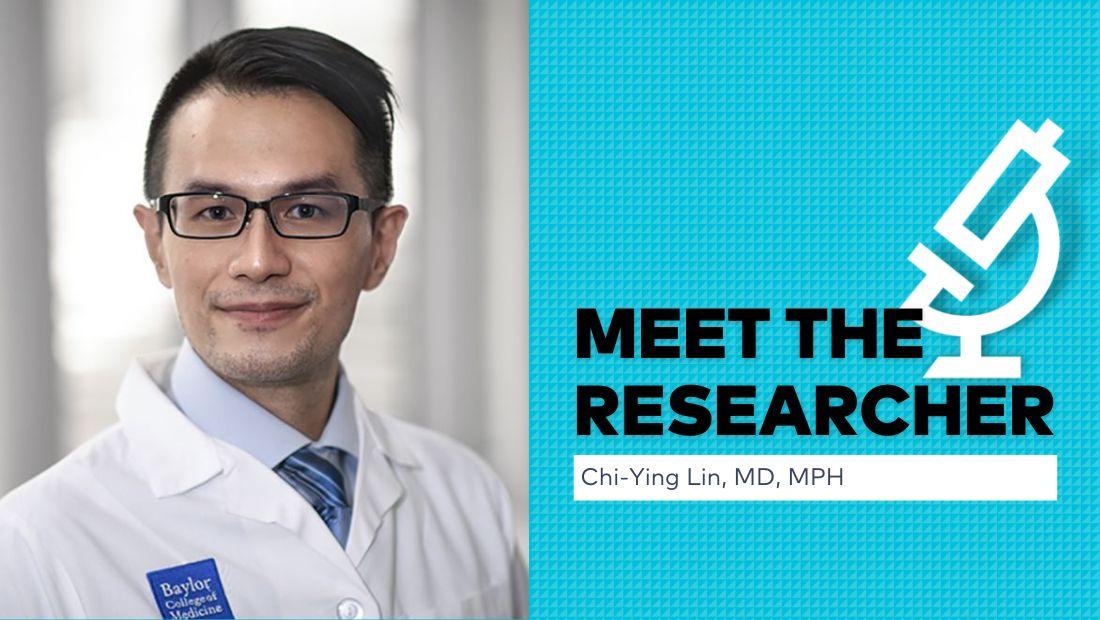
Chi-Ying Lin headshot

Chi-Ying Lin, MD, MPH, is researching how movement and non-movement symptoms intersect for people with Parkinson’s disease (PD) and Alzheimer’s disease. Through studying these symptoms in people with movement disorders and cognitive disorders, he hopes to learn more about what parts of the brain produce specific symptoms, which could lead to new treatments for people with Parkinson’s.

Following his Parkinson’s Foundation fellowship at Columbia University Irving Medical Center, Dr. Lin is now an assistant professor of neurology at Baylor College of Medicine with dual appointments in the Alzheimer’s Disease and Memory Disorders Center and the Parkinson’s Disease Center and Movement Disorders Clinic, which is a Parkinson’s Foundation Center of Excellence. We spoke to Dr. Lin to learn more about his work and what he finds most promising in current Parkinson’s research.

What led you to Parkinson’s research?

I was very interested in the personalization of Parkinson’s evaluation and treatment plans, and in learning more about how movement and cognitive symptoms intersect.

I came to the United States after my residency in Taiwan because I was interested in neuropathology at Columbia University. When I arrived, I had a chance to hear Dr. Stanley Fahn speak about movement disorders and it blew me away. I decided I wanted additional training in movement disorders. Because of the excellent clinical training and mentorship opportunities in the U.S., I decided to restart my career here, which led me to my residency at Mount Sinai and my fellowship at Columbia University Irving Medical Center, which was supported by the Parkinson’s Foundation.

Why research the intersection of movement disorders and cognitive disorders?

In my first exposure to cognitive disorders in Taiwan, I was not entirely aware that people with movement disorders actually have a lot of cognitive issues. At Columbia University, I learned through the Parkinson’s Foundation that around 50% of people with PD could have either mild cognitive impairment or dementia. I felt it was important to study this intersection, which is a relatively new field.

There is a brain region called the cerebellum that sits right behind the brainstem and above the neck. It used to be thought of as a pure motor organ and was often studied to understand movement. However, in the past 10 years, there has been an increased understanding that the cerebellum controls non-movement symptoms as well.

Getting To Know the Brain

The cerebellum, which means “little brain,” is primarily responsible for coordination of movement, maintaining posture and balance, muscle tone and motor learning. Recent research also started to reveal the role of cerebellum in non-movement symptoms.

The basal ganglia is an interconnected group of brain structures that control movement, thinking and emotions.

Can you tell us about your impulse control study?

In my fellowship, I conducted studies, and one primarily focused on the intersection of movement and cognitive disorders, especially for impulsivity and compulsivity, which are commonly seen in people with Parkinson’s. This study compared impulsivity in people with Parkinson’s to people with a different cognitive condition, Cerebellar Ataxia, which can include impulsive behavioral symptoms as well.

Our findings determined that impulsivity was different between the two conditions, and with Parkinson’s disease, it can be more widespread to include several impulsive behaviors that are both movement and non-movement related, including gambling, eating, hypersexuality, spending and compulsively taking medication. This suggests that that cerebellum and basal ganglia, a different part of the brain that is affected by PD, can produce different kinds of impulsive behaviors, furthering our understanding of how the cerebellum functions.

What are you currently researching?

The goal of my current study is to better understand the genetic and environmental factors that lead to Alzheimer’s or Parkinson’s in each participant.

I am on dual appointment in the Parkinson’s Center and Alzheimer’s Center. I’m also part of Baylor’s Precision Medicine Core, where I comprehensively study people with and without cognitive disorders and use clinical history, comprehensive assessments, neuroimaging and genome sequencing to characterize early cognitive impairments and determine the risk a person has for a cognitive disorder. Houston, TX, where Baylor is located, is the most racially and ethnically diverse city in the country, which makes it a great place for this study.

Furthering the work I did during my fellowship; I’m also conducting a functional neuroimaging project to identify the role of the cerebellum in both Alzheimer’s and Parkinson’s. Once we understand the role, we can consider treatments like deep brain stimulation to address impulsivity and compulsivity.

What gives you hope for the future of Parkinson’s research?

My overarching goal is to be part of the experts in the world that find the modifying therapy or, to be ambitious, the corrective therapy for Parkinson’s. Practically, I want to address the symptoms of Parkinson’s, which is why I’m focusing on the cerebellum and its impulsivity power to see if we can better address that symptom for people with Parkinson’s.

What do you see as the most promising recent discoveries in Parkinson’s research?

The Parkinson’s Foundation genetics study, PD GENEration, Mapping the Future of Parkinson’s Disease, is something that my patients and their families benefit from immensely because it not only includes genetic testing, but genetic counseling as well at no cost to participants. I’ve enrolled many patients into the study, and I think overall it will be a very fruitful study for Parkinson’s research.

I also believe the Parkinson’s Foundation study about alpha synuclein detection in stool is very interesting and could lead to earlier Parkinson’s disease detection. It interests me because it is noninvasive and could allow for early-stage study recruitment.

How has support from the Parkinson’s Foundation impacted your career?

My fellowship taught me that Parkinson’s does not look the same in every person, and care must be individualized. I’m so appreciative of the support I’ve received from the Parkinson’s Foundation.

There are not enough movement disorders specialists, especially in rural areas, and the Foundation’s support of expanding care for people with Parkinson’s is so important.

Because of the Parkinson’s Foundation, I was able to learn from well-respected movement disorders leaders and build upon my foundation as a movement disorders neurologist. I was lucky to be in the last fellowship class trained by Dr. Fahn before his retirement. He taught me how to be a very compassionate movement disorders neurologist who actively works with patients and their families to find the best treatment options.

For more information on our research grants, visit Parkinson.org/Grants.

Podcasts

Episode 154: Sexuality from the Care Partner Perspective

Intimacy is a significant part of any relationship, and sexuality is an important aspect of intimacy. Parkinson’s disease (PD) can present challenges for both intimacy and sexuality, both for the person with PD and for the care partner. The Parkinson’s Foundation Helpline can be a good resource for coping with these issues. In this episode, Anna Moreno, MSW, a Senior Parkinson’s Information Specialist at the Parkinson’s Foundation, highlights some of the more common questions that care partners pose about sexuality to the Helpline. 

Although she herself is not a therapist, she can direct callers to appropriate resources. Gila Bronner, MPH, MSW is a Certified Sex Therapist and Supervisor of the Sex Therapy Services at the Tel-Aviv Sourasky Medical Center in Israel. In this episode, she provides insight into these typical problems that care partners report, and she offers some recommendations to help overcome them. For many years, she has researched and provided therapy and advice about intimacy and sexuality relating to PD in Israel and around the world.

Released: July 11, 2023

Educational Events

Managing Changing Symptoms: Thinking & Mood Changes

12:00 pm to 2:00 pm EST
FREE
The referenced media source is missing and needs to be re-embedded.

Check-in and exhibitor tables open at 11 a.m. ET.

After many years of good symptoms management, Parkinson's disease may become more challenging. Learn how Parkinson's may become more challenging. Learn how Parkinson's symptoms may change over time and new strategies available for managing them.

There is no charge to attend, but registration is required. This program is open to people with Parkinson's, their family, friends and the community.


Featured Speakers:

Elizabeth Morgan, Ph.D., ABPP
Licensed Clinical Psychologist, Board Certified Clinical Neuropsychologist

Patrick Walker, MSN, APRN, FNP-C
Movement Disorders Nurse Practitioner
Tallahassee Memorial Healthcare Physician Partners- Neurology


COVID SAFETY: The health and safety of our participants, sponsors, volunteers and staff are our top priority. We continue to monitor CDC recommendations and will adhere to state and local COVID guidelines in place on the event day. Adjustments will be made if necessary.

Upcoming Events

Educational Events

Mindfulness Mondays - Mental Wellbeing

Each month, Dr. Rush invites you to slow down, breathe, and reconnect with yourself and your Parkinson’s community through a guided mindfulness practice. Together, we’ll explore simple ways to ground the body, calm the mind, and cultivate compassion and clarity that you can carry into your week.

Virtual
Educational Events

Parkinson’s Disease Patient and Family Symposium 2023

Virtual ( Zoom )
10:00 am to 1:00 pm CDT
FREE
raising hands in a conference

Parkinson's Foundation and Northwestern Medicine Parkinson's Disease and Movement Disorders Center present: Parkinson's Disease Patient and Family Symposium.

This program will feature experts talking about the advances in Parkinson’s research, among many other topics. There will be a Q&A at the end of the presentation.

Speakers

Danny Bega, MD

Rizwan Akhtar, MD, PhD

Tanya Simuni, MD

Michael Mercury, PhD

This program is open to people with Parkinson's, their family, friends and the community. There is no charge to attend, but registration is required.

Northwestern Medicine logo

A Parkinson's Foundation Center of Excellence

Northwestern Medicine Parkinson's Disease and Movement Disorders Center provides innovative, multidisciplinary care for patients and families affected by Parkinson's disease and other movement disorders. The Center's care team works to promote health, education and support for patients. It also supports caregivers, family members, healthcare providers and the community. We continually strive to meet the needs of the Parkinson's community in a variety of ways. In doing this, we have adapted our annual symposium to a virtual setting for the safety and accessibility of the larger Parkinson's community.

This is a virtual program, taking place live, using the online Zoom platform. Instructions on joining the webinar are provided after registering.

Upcoming Events

Educational Events

Mindfulness Mondays - Mental Wellbeing

Each month, Dr. Rush invites you to slow down, breathe, and reconnect with yourself and your Parkinson’s community through a guided mindfulness practice. Together, we’ll explore simple ways to ground the body, calm the mind, and cultivate compassion and clarity that you can carry into your week.

Virtual
Back to Top