Episode 125: Young-Onset Parkinson’s Disease: Lifestyle, Family, and Counseling
-
Dan Keller 0:02 Welcome to this episode of Substantial Matters: Life and Science of Parkinson's. I'm your host, Dan Keller, at the Parkinson's Foundation. We want all people with Parkinson's and their families to get the care and support they need. Better care starts with better research and leads to better lives. In this podcast series, we highlight the fruits of that research—the treatments and techniques that can help you live a better life now, as well as research that can bring a better tomorrow.
While Parkinson's disease mostly affects the older population, some people will develop PD at an earlier age. About one in 25 people with PD develops it before age 50, and these people with Young Onset Parkinson's Disease, or YOPD, have unique issues and needs compared to the older age group. They're typically still working, raising a family, planning for the future, and they have many years of life ahead of them. Since traditional treatment may not address their specific needs, Dr. Bart Post of Radboud University in the Netherlands and his colleagues designed a program to change how his clinical center treats YOPD.
He said that meeting the needs of young onset PD patients is very different from older onset patients, so they investigated the needs of this group of patients by talking to them in informal settings, like in a world cafe. The result is the Phase of Life Dependent Support Program. In this episode, Dr. Post describes some of the special issues affecting people with YOPD, how he approaches people with young onset Parkinson's disease in his care, and the need for a multidisciplinary team of professionals from the start for the best outcomes.
We started off by my asking him about what differentiates the needs of people with young onset PD from later onset disease. What are some of the special features with regard to therapy and consultation in the young onset Parkinson's disease patient, especially thinking of lifestyle and emotional and family kinds of things?
Dr. Bart Post 2:35 There are several things, and what we see in the young onset much more often than in late onset, is that we have a lot of discussion about work, about children, about their spouses, about sexual problems, and genetics comes along very often, but especially work is very important. A lot of patients, they are in the middle of their careers, they have young children, they earn money, and the money is important for their family life and to give their children chances in life. So, there's a lot of stress about work in our outpatient clinic. We have several services, and one of them is especially focused on work and helping people to maintain their work. What we know from research is that after 10 years of living with Parkinson's disease, about 90% of people have lost their job. So that's quite impressive. That's why we make it such a big issue in our counseling of patients, so I think that's a huge part of dealing with young onset PD patients.
Another part we get a lot of questions about is about women's issues. Well, sometimes you have younger patients, like in their 30s, that want to have children, for example. So, what can you do during pregnancy? How can you treat women during pregnancy? Can you give all the medication? Are there risks for the delivery, for example? We don't know a lot about it. We looked in the literature, but there's not much prospective data, so we are working on a registry now, together with the Mayo Clinic, to get more insight into the risks of pregnancy for PD patients.
Another issue a lot of women say to us is that their Parkinson's disease symptoms change during their monthly cycle. Especially in the week before menstruation, a lot of PD patients have more severe motor symptoms, and it's annoying. So, sometimes we have to discuss with the gynecologist to start with, for instance, an oral contraceptive pill to treat their Parkinson's disease. So, there are special issues in women also. I think those are the two really special things that you don't talk about in all our patients, and that we talk about a lot in the young onset.
Dan Keller 5:10 What about genetic counseling and genetic testing? I suppose counseling is critical to preparing a patient for their test results and letting them know what they mean.
Dr. Bart Post 5:23 Yeah, we talk a lot about it. In the Netherlands, we have this guideline that we offer genetic testing to all patients that are younger than 40 years of age and to all patients who have one first-degree family member. So to all these patients, we say there's the possibility of genetic testing. Especially the genes—so the LRRK2, the GBA, the VPS35, and the alpha-synuclein, and then Parkin, PINK1, and DJ-1—they can be tested quite easily. We counsel them about their chances beforehand of having such a genetic mutation, and we counsel them about what are the chances of you giving it to your children, and how will it affect the life of your children, so we talk a lot about it before testing.
In the Netherlands, as neurologists, we are allowed to do that. I don't know how that is in the US, but we have a geneticist in our team, we have a molecular biologist in our team, so we do a lot of work before we test. After we test, we have to discuss the results in our genetic counseling team before discussing them again with the patients. So we take a lot of time to discuss it both beforehand and after the testing, so it's quite time-consuming.
Dan Keller 6:58 You've got a program for young onset PD, so could you tell me about the young onset PD Phase of Life Dependent Support Program at Radboud?
Dr. Bart Post 7:10 Yes, yes, we have this service for young onset PD patients in the Netherlands and Belgium. What we especially focus on—we have neurologists, me and Bas Bloem, we are dedicated to young onset PD, so all the young onset PD patients, especially, come to our outpatient clinics. We have a lot of experience diagnosing this disease and counseling patients about prognosis and about treatment. So we structured our outpatient clinic so that patients come to dedicated neurologists, so that's the first thing we have in our service.
The second thing in our service is that we have this genetic team—geneticists, neurologists, molecular biologists—they come together once a month and they discuss all the genetic results before discussing it with the patient. We think it's very important.
The third service we have in our clinic is that we work together with the rehabilitation center, with rehabilitation doctors, especially for treatment of dystonia of the legs. We see that a lot in young onset PD patients, and we do a lot of botulinum toxin injections together with the rehabilitation specialists, instead of treating them with levodopa or dopamine agonists.
Then we have the work service, so that's an occupational therapist, a neurologist, and in the Netherlands we have this medical specialist that is trained to counsel patients about work issues. I don't know if you have that in the US. I think in the US it's a lot of occupational therapists that do this job. So we have this special service for patients who are at work, and we recommend them to go there.
The fifth part of our service is what we talked about earlier about the women, and we have a gynecologist in our team, and a sexologist for men and women, and a gynecologist for the women to talk about several issues about sexuality and pregnancy, for instance. So those are the five services we have in our clinic.
What's really special about our approach is that we always go from the needs of the patients. I don't know if you saw our review in the Journal of Parkinson's Disease in 2020. It's called "YOPD: A Modern and Tailored Approach." In this review, we have this really nice—I'm really proud of it—it's a mind map. The mind map has been made by a patient, and we use it a lot to discuss the impact of Parkinson's on the lives of the patients. Then we pick out the most important things that patients tell us, and we try to help them get their grip on life back a little bit.
Dan Keller 10:00 The mind map looks like a very big undertaking for the patient. The one you put in your paper has probably like eight different domains. I mean, there are things like partner as caregiver, there are work issues, there are emotional, all sorts of things. It looks like a real homework assignment for a patient.
Dr. Bart Post 10:20 This is what Sander—Sander Verheisen is his name—he's also working in our team, that's really special. So we took him into our team in the Radboud, and he's working with us to create this service. We don't expect all the patients to make this, so we use it to talk about the impact. We show it to patients and we talk through the mind map, but we don't make a mind map for every patient. We use it to talk about it, and we show patients that it's possible that they come to us with a tremor, with dystonia, with bradykinesia, but they say to us, "But that's not important. I want to stay at work, and I want you to help me with that." Then we can focus our energy on that, and not on treating bradykinesia, for instance. So that's how we use it. We don't make a mind map for every patient.
Dan Keller 11:19 In your Phase of Life Dependent Support Program, you've described a really broad, multi-functional team of professionals, but what's the involvement of the patient?
Dr. Bart Post 11:32 The patient is really, really important. The patient is the one who is steering this team. We have a lot of different professionals, but the professionals we use are always chosen together with the patient. We call it the triangle of care. It's the patient, it's a nurse that's specialized in PD, and a neurologist that specializes in PD. Together these three parties, they come together, they discuss, for instance, the mind map, they choose two or maybe three goals, and then they invite other professionals that are at that moment important for the patient, and then we start working with the patient. So that's from an individual point of view.
When we look at the whole service, I'm heading the service, and we do that with a team of, I think, seven people now. In this team, there are three patients that work in our department. They're really employed by the Radboudumc, and we do that together with a nurse, neurologist, and a physiotherapist. So, driving this service is a team where we are co-creating care, that's what we call it in the Netherlands. So, that's how the patient is involved. They are heavily involved in the service and, of course, in their individual program of treatment.
Dan Keller 13:05 Based on patient input, have you learned anything about how they would like to see the care approach change?
Dr. Bart Post 13:13 Yeah, what they said to me—and that's why I'm really proud of the mind map in the review I touched upon earlier—is that the patient really changed our way of working. Because beforehand, before the mind map came to me about five or six years ago, we focused on bradykinesia, tremor, dystonia, all the things we were used to focusing on during our training. Well, this patient and his spouse, his wife, they opened our mind to the impact of Parkinson's disease on other parts of life. So I think that's one of the most important changes in how I worked as a professional in the last five years, and it's all because of this mind map. So the service is designed by patients, not by me.
Dan Keller 14:07 Finally, what tips and resources are available to your young onset PD community through your programs?
Dr. Bart Post 14:15 We are working on it now. We have a lot of information about young onset PD. The patients said to us, "Well, you can have a service, but that's one thing; we want specific information about young onset PD patients. We want it to be checked by professionals. We want it to be driven by questions of the patients themselves." So we have a lot of, like, we call it one-page information sheets about work, about pregnancy, about progression, about treatment. We share them in Dutch at the moment on the internet.
We are at the moment in a process of professionalization of this website, so it's offline at the moment, but we are working on it really hard now to get this specific information about young onset up and running again. That's a really important part of our service to the patients.
Furthermore, every year we do a lot of meetings; we go to patient communities to talk about young onset PD. Every year we have this young onset PD morning, where we invite everyone and connect people to each other. We work together with the Dutch Parkinson's Foundation to get information spread to the Netherlands. So we do a lot of community work to get the right information about young onset into the community.
Dan Keller 15:43 Have we missed anything important or interesting to add?
Dr. Bart Post 15:47 One thing, when I was preparing this, is that there's really a need for better data on young onset PD. Today we had a meeting with the Movement Disorders Society Task Force on Early Onset Parkinson's Disease, and we discussed this lack of good data. So, at the moment, we are working with a group of, I think, 15 to 20 neurologists and nurse practitioners, PD nurses, on good research in this group of patients, because we need good, big cohorts. We need registration on pregnancy. We need genetics and genetic counseling to be professionalized.
So, there's a lot of research to be done in the future, and we can only do that together with the patients. We work together in the World Parkinson Coalition with a group of professionals and patients to do this worldwide survey on young onset PD, so we hope to get more insight into this specific part of Parkinson's disease and make life better in the future.
Dan Keller 16:54 Excellent. Thank you very much again. I appreciate all the time and the information.
Dr. Bart Post 16:59 It's really nice talking to you and sharing my thoughts about this important group of patients.
Dan Keller 17:14 For more on young onset PD and the program at Radboud University Medical Center in the Netherlands, search our website at parkinson.org for Radboud, spelled R-A-D-B-O-U-D. You'll find an article that is part of our Center of Excellence series, describing the unique treatment needs of people with YOPD, and how the program meets those needs. The article also contains a highlighted box in which Dr. Post gives some tips for implementing a similar program at other medical centers.
Some past podcasts may be of interest as well. We had spoken with Dr. Bas Bloem, who is also part of the program at Radboud, about personalized medicine and involving the voice of the patient in all encounters with the medical system and in designing research projects. You can find this episode titled Personalized Medicine: The Voice of the Patient at parkinson.org/podcasts.
Since people with YOPD are of working age, employment and disability can be major issues for them. If you search our website on the term disability, you'll find many resources, including fact sheets on disability-based rights, YOPD-based resources, and income replacement, as well as two podcasts on talking to an employer about PD and disability inclusion and accommodations at work.
If you go to our library at parkinson.org/library and select YOPD in the drop-down topic list, you'll see links to a fact sheet on talking to children and teenagers about a parent's PD, and a fact sheet for children explaining the disease and what implications it has for them. There's also a podcast on how to talk to children about a parent's PD.
We also have information on sexuality and intimacy, both in a podcast and in an expert briefing. You can find past expert briefings at parkinson.org/eb, or you can search the website for sexuality. Two other helpful expert briefings are one called Young Onset Parkinson's Disease: Not What I Planned for Me or My Family, and the other is Financial, Legal, and Medical Planning Tips for Care Partners.
Finally, coming up in April 2022 will be a podcast on aging in place and adaptive homes, containing some good tips and resources for outfitting a home for possible future needs.
As always, our helpline information specialists are available to answer questions in English or Spanish about today's topic or anything else having to do with Parkinson's. News and updates about future events and resources are available by joining our email list at the bottom of our website's homepage. If you want to leave feedback on this podcast or any other subject, you can do it at parkinson.org/feedback. If you enjoyed this podcast, be sure to subscribe and rate and review the series on Apple Podcasts or wherever you get your podcasts.
At the Parkinson's Foundation, our mission is to help every person diagnosed with Parkinson's live the best possible life today. To that end, we'll be bringing you a new episode in this podcast series every other week. Till next time, for more information and resources, visit parkinson.org or call our toll-free helpline at 1-800-4PD-INFO, that's 1-800-473-4636. Thank you for listening. Thank you.
Dan Keller 0:02 Welcome to this episode of Substantial Matters: Life and Science of Parkinson's. I'm your host, Dan Keller, at the Parkinson's Foundation. We want all people with Parkinson's and their families to get the care and support they need. Better care starts with better research and leads t
o better lives. In this podcast series, we highlight the fruits of that research—the treatments and techniques that can help you li ve a better life now, as well as research that can bring a better tomorrow. While Parkinson's disease mostly affects the older population, some individuals develop the disease at an earlier age. Approximately one in 25 people with PD develops symptoms before the age of 50. These individuals with young onset Parkinson's disease, or YOPD, navigate unique life challenges and clinical needs compared to the older demographic. They are typically still working, actively raising families, planning for the future, and they have many decades of life ahead of them.
Since traditional clinical treatment models often do not address their specific lifestyle needs, Dr. Bart Post of Radboud University Medical Center in the Netherlands, alongside his colleagues, designed a revolutionary program to reshape how his clinical center treats YOPD. He notes that meeting the needs of young onset patients requires a fundamentally different philosophy than treating older onset patients. To build this program, his team investigated the unique needs of this group by engaging directly with them in informal, qualitative settings, such as a "World Café" interactive forum. The result of that research is their landmark Phase of Life Dependent Support Program.
In this episode, Dr. Post describes some of the specialized socio-economic, reproductive, and emotional issues affecting individuals with YOPD, how he approaches clinical care, and the absolute necessity of utilizing a multidisciplinary team of professionals right from the initial diagnosis to secure the best possible long-term outcomes. We started off by discussing what differentiates the primary needs of people with young onset PD from later onset disease. Bart, what are some of the special features with regard to therapy and consultation in the young onset patient, especially when thinking about lifestyle, emotional health, and family dynamics?
Dr. Bart Post 2:35 There are several major factors. What we see in the young onset clinic significantly more often than in late onset consultations is that a vast amount of our clinical time is dedicated to detailed discussions surrounding vocational stability, raising children, marital dynamics, sexual dysfunction, and genetic inheritance. Work, in particular, is an exceptionally high-stakes issue. Many of these patients are exactly in the middle of their professional careers; they have young children at home, they are the primary earners, and that income is vital to sustain their family life and provide opportunities for their children.
Consequently, vocational stress is a massive, looming presence in our outpatient clinic. To address this, we integrated several highly specialized services, including a dedicated vocational branch focused entirely on helping people implement modifications to maintain their employment. According to the research, after 10 years of living with a Parkinson's diagnosis, approximately 90% of individuals have fallen out of the workforce. That is an incredibly staggering statistic. That is precisely why we make employment preservation a massive focal point in our clinical counseling.
Another area where we receive a high volume of queries involves women's health issues. We frequently care for younger female patients in their 30s who are planning families and wish to become pregnant. This raises complex clinical questions: How do you optimize Parkinson's management during pregnancy? Can you safely maintain standard dopaminergic medications? Are there elevated risks during labor and delivery? Historically, the global medical community lacks robust, prospective data on this topic. To address this gap, our center is currently building an international clinical registry in direct collaboration with the Mayo Clinic to gather definitive insights into pregnancy outcomes in Parkinson's.
Additionally, many female patients report that their motor symptoms fluctuate dramatically in alignment with their monthly menstrual cycle. Specifically, in the premenstrual week, many women experience a significant exacerbation of their motor deficits, which is incredibly disruptive. In these scenarios, we often collaborate directly with gynecologists to prescribe oral contraceptives as a strategic mechanism to stabilize hormonal fluctuations and help manage their Parkinson's symptoms. These represent highly specialized medical considerations that you rarely encounter with older patients, but are standard topics of conversation in the young onset demographic.
Dan Keller 5:10 What about the role of genetic counseling and genetic testing? I imagine that thorough counseling is critical to mentally prepare a patient for their test results and to help them accurately interpret what those biomarkers actually mean for their family.
Dr. Bart Post 5:23 Yes, we discuss genetics extensively. In the Netherlands, our formal national clinical guidelines mandate that we proactively offer comprehensive genetic testing to all patients diagnosed under the age of 40, as well as to any patient who has at least one first-degree relative with the disease. We present genetic screening as a highly accessible option. We can easily test for the primary causative genes and risk variants, including LRRK2, GBA, VPS35, alpha-synuclein (SNCA), PRKN (parkin), DJ-1, and PINK1.
Crucially, we conduct extensive counseling beforehand to discuss their mathematical probability of carrying a mutation, the likelihood of transmitting that variant to their children, and how that knowledge could impact their children's future lives. In the Netherlands, neurologists are legally certified and trained to provide this pre-test counseling independently. I know that in the United States, the system often relies on external genetic counselors. Our dedicated team at Radboud University includes clinical geneticists and molecular biologists. Every genetic result is first meticulously reviewed within our multidisciplinary genetics tumor-board style team before we sit down to disclose and interpret the findings with the patient. It is an incredibly thorough, time-consuming process, but it is absolutely essential.
Dan Keller 6:58 Your center has gained international recognition for your young onset programming. Could you walk me through the operational architecture of the Young Onset PD Phase of Life Dependent Support Program at Radboud?
Dr. Bart Post 7:10 Yes, absolutely. We built this specialized service to care for young onset patients across the Netherlands and Belgium. The structural foundation of the program relies on dedicated sub-specialists. Professor Bas Bloem and I lead the neurological side, specializing completely in young onset disease. Because all young onset referrals are concentrated within our specific outpatient clinics, our team possesses immense clinical volume and experience in diagnosing this disease, predicting long-term prognoses, and custom-tailoring therapeutic regimens.
Beyond specialized neurology, the second pillar of our program is the integrated genetics team I mentioned, where geneticists, neurologists, and molecular biologists meet monthly to review cases. The third core service is our direct integration with physical medicine and rehabilitation. Young onset patients experience a high prevalence of severe lower-limb dystonia. To manage this effectively, we partner closely with rehabilitation physicians to administer precise botulinum toxin injections directly into the affected muscle groups, rather than simply over-medicating the patient with high oral doses of levodopa or dopamine agonists.
The fourth pillar is our dedicated vocational service. This team consists of an occupational therapist, a neurologist, and a specialized occupational health physician—a medical specialty in the Netherlands trained explicitly to navigate employment law, disability integration, and workplace ergonomics. I believe in the U.S. system, this role is primarily managed by occupational therapists. We aggressively recommend this service to any patient currently in the workforce.
The fifth component focuses on intimacy and women's health, pairing a specialized gynecologist with a clinical sexologist to support both men and women navigating sexuality, relationship changes, and family planning.
What truly sets our Phase of Life Dependent Support Program apart is that our clinical path is driven entirely by the self-reported needs of the patient. In 2020, our team published a comprehensive review in the Journal of Parkinson's Disease titled "Young-Onset Parkinson's Disease: A Modern and Tailored Approach." In that paper, we highlighted a visual tool that I am incredibly proud of: a highly detailed clinical mind map. This mind map was completely designed and illustrated by a young onset patient. We utilize it actively during consultations to visually chart the global impact of Parkinson's on that individual's life, allowing the patient to point out their highest priorities so we can co-create a targeted care plan.
Dan Keller 10:00 Looking at that mind map in your published paper, it appears to be a massive, comprehensive undertaking for the patient. It spans at least eight distinct life domains, covering everything from "partner as a caregiver" to corporate work dynamics, emotional health, and legal planning. It looks like a serious homework assignment.
Dr. Bart Post 10:20 The patient who created that mind map is named Sander Verheisen. He is an incredible individual, and what is truly unique about our program at Radboudumc is that we actually hired Sander to join our professional staff. He is officially employed by our medical center to help us continuously innovate and manage this young onset service.
To clarify, we certainly do not expect every individual patient to sit down and construct a complex mind map from scratch. Instead, we utilize Sander's template as an interactive conversational guide. We display the mind map during consultations to demonstrate the full ecosystem of care. It helps patients realize that while they might walk into our clinic presenting with a physical tremor, bradykinesia, or foot dystonia, they are fully permitted to look at us and say, "Doctor, the physical slowness isn't my primary concern right now. My highest priority is staying employed at my company for the next five years, and I need you to help me preserve my function at my desk."
Once a patient states that, we pivot our entire clinical energy toward vocational therapy and occupational adjustments, rather than aggressively medicating a mild motor symptom. That is how the tool functions; it liberates the patient to dictate the clinical focus.
Dan Keller 11:19 Within this Phase of Life Dependent Support Program, you have described a highly diverse, multidisciplinary assembly of medical specialists. What is the precise role and level of involvement required from the patient within this structure?
Dr. Bart Post 11:32 The patient is the absolute center of gravity; they actively steer the entire multidisciplinary team. While we have a vast array of medical professionals at our disposal, the specific specialists brought into the care pathway are always selected via shared decision-making with the patient.
We conceptualize this using a model we call "The Triangle of Care." The core triangle consists of the patient, a specialized Parkinson's nurse coordinator, and a dedicated movement disorder neurologist. These three entities sit down together, evaluate the clinical mind map, select two or three highly defined near-term goals, and then intentionally invite the specific allied health professionals—whether it be a sexologist, an occupational health specialist, or a rehabilitation doctor—needed to accomplish those exact goals.
From an institutional standpoint, the governance of our young onset service reflects this co-creation model. I head the program alongside an executive team of seven people. Crucially, three of those seven members are actual young onset Parkinson's patients employed directly by the Radboud University Medical Center. We run the service as a true partnership between patients, nurses, neurologists, and physical therapists. In the Netherlands, we call this "co-creating care." Patients are heavily involved in shaping the macro-level service design just as much as their individual treatment programs.
Dan Keller 13:05 Based on this direct, embedded patient input, what have you learned fundamentally about how younger individuals want to see the traditional medical approach evolve?
Dr. Bart Post 13:13 They completely transformed our clinical worldview. That is why I am so deeply proud of the mind-map methodology featured in our review. Before Sander brought that mind map to me about five or six years ago, my colleagues and I operated under the standard neurological framework we were taught throughout our residency and fellowship training: we fixated almost exclusively on quantifying bradykinesia, checking rigidity, and measuring tremors.
Sander and his wife completely opened our eyes to the profound, cascading impact that Parkinson's inflicts on the non-medical domains of a young life. Reshaping my practice to view the disease through the lens of a patient's entire ecosystem has been the most meaningful evolution of my career as a medical professional, and that entire shift occurred because our patients designed this service, not me.
Dan Keller 14:07 Finally, what specific clinical tools, informational guidelines, and peer resources are currently available to the young onset community through your programs?
Dr. Bart Post 14:15 We are working intensively on expanding our resource library. Our patients clearly articulated that while having an advanced clinical service is fantastic, they need vetted, highly specific informational resources explicitly tailored to young onset physiology and lifestyle. They demanded that this information be thoroughly verified by medical professionals but driven entirely by real patient questions.
To meet this need, we developed a comprehensive series of "one-page informational toolkits" that distill complex data regarding employment rights, pregnancy safety, long-term progression rates, and advanced pharmacological strategies. We currently distribute these sheets digitally in Dutch. We are currently undergoing a major professionalization and redesign of our web platform to optimize user experience, so the portal is temporarily offline, but we are working hard to relaunch this specific young onset repository shortly.
Furthermore, we host multiple community engagement initiatives annually. We travel directly into patient communities to lead symposia on YOPD, and every year we host our signature Young Onset PD Educational Morning. This event gathers hundreds of families to learn about current research and build robust peer support networks. We also collaborate intimately with the Dutch Parkinson's Association (Parkinson Vereniging) to distribute standardized, evidence-based young onset guidelines nationwide.
Dan Keller 15:43 This has been an incredibly enlightening discussion, Bart. Have we missed any critical developments or interesting data points before we wrap up?
Dr. Bart Post 15:47 Yes, there is one final, urgent point. While preparing for our interview, I was reflecting on the acute global need for higher-quality, prospective data specifically focused on young onset cohorts. In fact, just today, I participated in a summit with the International Parkinson and Movement Disorder Society (MDS) Task Force on Early-Onset Parkinson's Disease to address this exact deficit in the literature.
Currently, we are organizing an international consortium of approximately 20 movement disorder neurologists and specialized nurse practitioners to launch large-scale, prospective research studies. We urgently need massive, multi-center longitudinal cohorts. We need centralized registries to track pregnancy data safely, and we must professionalize international standards for young onset genetic counseling. There is a vast amount of scientific work ahead of us, and we can only successfully execute these studies by partnering directly with our patients. Through the World Parkinson Coalition, we are uniting global professionals and patient-advocates to conduct international young onset surveys, and we are highly optimistic that these initiatives will yield deep clinical insights to optimize quality of life moving forward.
Dan Keller 16:54 Excellent. Thank you so much for your time, your dedication, and for sharing these transformative insights with our audience today.
Dr. Bart Post 16:59 It was an absolute pleasure speaking with you, Dan, and having the opportunity to advocate for this incredibly important group of patients.
Dan Keller 17:14 To learn more about young onset Parkinson's disease and the innovative Phase of Life Dependent Support Program at Radboud University Medical Center, please search our main website at parkinson.org using the keyword "Radboud," spelled R-A-D-B-O-U-D. There, you will find an in-depth profile published as part of our global Center of Excellence series, outlining their tailored treatment models and providing a practical blueprint featuring Dr. Post's expert tips for implementing similar multi-disciplinary programs at other medical institutions worldwide.
Several of our archived podcast episodes offer valuable companion reading as well. We previously sat down with Professor Bastiaan R. Bloem, the co-director of the Radboudumc Parkinson Center, to discuss the principles of personalized medicine and the vital importance of embedding the patient's voice directly into clinical trials and institutional research design. You can listen to that specific conversation, titled Personalized Medicine: The Voice of the Patient, at parkinson.org/podcasts.
Because individuals diagnosed with YOPD are entirely within their peak working years, vocational preservation, employer disclosure, and long-term disability navigation represent high-priority issues. If you search our digital repository using the term "disability," you will unlock a wealth of specialized toolkits, including legal fact sheets detailing workplace rights under disability legislation, income replacement guidelines, and YOPD-specific vocational resources. This search will also connect you directly to our two-part podcast miniseries focusing on how to strategically discuss a diagnosis with an employer, navigate corporate human resources, and secure reasonable workplace accommodations.
Furthermore, if you browse our library at parkinson.org/library and select "YOPD" from our drop-down topical index, you can download targeted family resources, such as our clinical guide on how to discuss a parent's Parkinson's diagnosis with children and teenagers, alongside a specialized, illustrated fact sheet designed to explain the disease directly to children in an accessible manner. We also feature an expert-led podcast addressing family communication strategies.
To support couples navigating changes in relationship dynamics, we provide comprehensive educational guides on sexuality and intimacy in Parkinson's, accessible via our archive or by searching "sexuality" on our homepage. You can also view two of our highly attended Expert Briefing webinars: Young Onset Parkinson's Disease: Not What I Planned for Me or My Family and Financial, Legal, and Medical Planning Tips for Care Partners, both archived at parkinson.org/eb. Additionally, you can check out our dedicated episode focusing on home modifications, titled Aging in Place and Adaptive Homes, which provides practical architectural tips for configuring an optimized, accessible living space for future physical needs.
As always, if you require immediate, custom-tailored resources or clinical guidance, our toll-free Parkinson's Foundation Helpline is available to assist you. Our bilingual information specialists are ready to answer your questions in either English or Spanish regarding young onset specialists, genetic screening protocols, or local wellness programs. You can reach them directly at 1-800-4PD-INFO. To ensure you receive real-time updates regarding upcoming educational symposia, local support networks, and cutting-edge clinical trials, please join our email registry located at the bottom of our homepage.
If you would like to submit feedback regarding today's discussion or suggest clinical topics for future episodes, please visit parkinson.org/feedback. If you find our educational series valuable, please take a moment to subscribe, rate, and review Substantial Matters on Apple Podcasts or your preferred streaming platform.
At the Parkinson's Foundation, our core mission is to ensure that every individual diagnosed with Parkinson's disease has the advanced care, community backing, and clinical resources necessary to live their best possible life today. To fulfill that promise, we will return with a brand-new episode in this podcast series every two weeks. Until next time, for comprehensive information and expert-vetted resources, please visit parkinson.org or call our helpline at 1-800-4PD-INFO, which is 1-800-473-4636. Thank you for listening.
Dan Keller 0:02 Welcome to this episode of Substantial Matters: Life and Science of Parkinson's. I'm your host, Dan Keller, at the Parkinson's Foundation. We want all people with Parkinson's and their families to get the care and support they need. Better care starts with better research and leads t
o better lives. In this podcast series, we highlight the fruits of that research—the treatments and techniques that can help you li ve a better life now, as well as research that can bring a better tomorrow. While Parkinson's disease mostly affects the older population, some individuals develop the disease at an earlier age. Approximately one in 25 people with PD develops symptoms before the age of 50. These individuals with young onset Parkinson's disease, or YOPD, navigate unique life challenges and clinical needs compared to the older demographic. They are typically still working, actively raising families, planning for the future, and they have many decades of life ahead of them.
Since traditional clinical treatment models often do not address their specific lifestyle needs, Dr. Bart Post of Radboud University Medical Center in the Netherlands, alongside his colleagues, designed a revolutionary program to reshape how his clinical center treats YOPD. He notes that meeting the needs of young onset patients requires a fundamentally different philosophy than treating older onset patients. To build this program, his team investigated the unique needs of this group by engaging directly with them in informal, qualitative settings, such as a "World Café" interactive forum. The result of that research is their landmark Phase of Life Dependent Support Program.
In this episode, Dr. Post describes some of the specialized socio-economic, reproductive, and emotional issues affecting individuals with YOPD, how he approaches clinical care, and the absolute necessity of utilizing a multidisciplinary team of professionals right from the initial diagnosis to secure the best possible long-term outcomes. We started off by discussing what differentiates the primary needs of people with young onset PD from later onset disease. Bart, what are some of the special features with regard to therapy and consultation in the young onset patient, especially when thinking about lifestyle, emotional health, and family dynamics?
Dr. Bart Post 2:35 There are several major factors. What we see in the young onset clinic significantly more often than in late onset consultations is that a vast amount of our clinical time is dedicated to detailed discussions surrounding vocational stability, raising children, marital dynamics, sexual dysfunction, and genetic inheritance. Work, in particular, is an exceptionally high-stakes issue. Many of these patients are exactly in the middle of their professional careers; they have young children at home, they are the primary earners, and that income is vital to sustain their family life and provide opportunities for their children.
Consequently, vocational stress is a massive, looming presence in our outpatient clinic. To address this, we integrated several highly specialized services, including a dedicated vocational branch focused entirely on helping people implement modifications to maintain their employment. According to the research, after 10 years of living with a Parkinson's diagnosis, approximately 90% of individuals have fallen out of the workforce. That is an incredibly staggering statistic. That is precisely why we make employment preservation a massive focal point in our clinical counseling.
Another area where we receive a high volume of queries involves women's health issues. We frequently care for younger female patients in their 30s who are planning families and wish to become pregnant. This raises complex clinical questions: How do you optimize Parkinson's management during pregnancy? Can you safely maintain standard dopaminergic medications? Are there elevated risks during labor and delivery? Historically, the global medical community lacks robust, prospective data on this topic. To address this gap, our center is currently building an international clinical registry in direct collaboration with the Mayo Clinic to gather definitive insights into pregnancy outcomes in Parkinson's.
Additionally, many female patients report that their motor symptoms fluctuate dramatically in alignment with their monthly menstrual cycle. Specifically, in the premenstrual week, many women experience a significant exacerbation of their motor deficits, which is incredibly disruptive. In these scenarios, we often collaborate directly with gynecologists to prescribe oral contraceptives as a strategic mechanism to stabilize hormonal fluctuations and help manage their Parkinson's symptoms. These represent highly specialized medical considerations that you rarely encounter with older patients, but are standard topics of conversation in the young onset demographic.
Dan Keller 5:10 What about the role of genetic counseling and genetic testing? I imagine that thorough counseling is critical to mentally prepare a patient for their test results and to help them accurately interpret what those biomarkers actually mean for their family.
Dr. Bart Post 5:23 Yes, we discuss genetics extensively. In the Netherlands, our formal national clinical guidelines mandate that we proactively offer comprehensive genetic testing to all patients diagnosed under the age of 40, as well as to any patient who has at least one first-degree relative with the disease. We present genetic screening as a highly accessible option. We can easily test for the primary causative genes and risk variants, including LRRK2, GBA, VPS35, alpha-synuclein (SNCA), PRKN (parkin), DJ-1, and PINK1.
Crucially, we conduct extensive counseling beforehand to discuss their mathematical probability of carrying a mutation, the likelihood of transmitting that variant to their children, and how that knowledge could impact their children's future lives. In the Netherlands, neurologists are legally certified and trained to provide this pre-test counseling independently. I know that in the United States, the system often relies on external genetic counselors. Our dedicated team at Radboud University includes clinical geneticists and molecular biologists. Every genetic result is first meticulously reviewed within our multidisciplinary genetics tumor-board style team before we sit down to disclose and interpret the findings with the patient. It is an incredibly thorough, time-consuming process, but it is absolutely essential.
Dan Keller 6:58 Your center has gained international recognition for your young onset programming. Could you walk me through the operational architecture of the Young Onset PD Phase of Life Dependent Support Program at Radboud?
Dr. Bart Post 7:10 Yes, absolutely. We built this specialized service to care for young onset patients across the Netherlands and Belgium. The structural foundation of the program relies on dedicated sub-specialists. Professor Bas Bloem and I lead the neurological side, specializing completely in young onset disease. Because all young onset referrals are concentrated within our specific outpatient clinics, our team possesses immense clinical volume and experience in diagnosing this disease, predicting long-term prognoses, and custom-tailoring therapeutic regimens.
Beyond specialized neurology, the second pillar of our program is the integrated genetics team I mentioned, where geneticists, neurologists, and molecular biologists meet monthly to review cases. The third core service is our direct integration with physical medicine and rehabilitation. Young onset patients experience a high prevalence of severe lower-limb dystonia. To manage this effectively, we partner closely with rehabilitation physicians to administer precise botulinum toxin injections directly into the affected muscle groups, rather than simply over-medicating the patient with high oral doses of levodopa or dopamine agonists.
The fourth pillar is our dedicated vocational service. This team consists of an occupational therapist, a neurologist, and a specialized occupational health physician—a medical specialty in the Netherlands trained explicitly to navigate employment law, disability integration, and workplace ergonomics. I believe in the U.S. system, this role is primarily managed by occupational therapists. We aggressively recommend this service to any patient currently in the workforce.
The fifth component focuses on intimacy and women's health, pairing a specialized gynecologist with a clinical sexologist to support both men and women navigating sexuality, relationship changes, and family planning.
What truly sets our Phase of Life Dependent Support Program apart is that our clinical path is driven entirely by the self-reported needs of the patient. In 2020, our team published a comprehensive review in the Journal of Parkinson's Disease titled "Young-Onset Parkinson's Disease: A Modern and Tailored Approach." In that paper, we highlighted a visual tool that I am incredibly proud of: a highly detailed clinical mind map. This mind map was completely designed and illustrated by a young onset patient. We utilize it actively during consultations to visually chart the global impact of Parkinson's on that individual's life, allowing the patient to point out their highest priorities so we can co-create a targeted care plan.
Dan Keller 10:00 Looking at that mind map in your published paper, it appears to be a massive, comprehensive undertaking for the patient. It spans at least eight distinct life domains, covering everything from "partner as a caregiver" to corporate work dynamics, emotional health, and legal planning. It looks like a serious homework assignment.
Dr. Bart Post 10:20 The patient who created that mind map is named Sander Verheisen. He is an incredible individual, and what is truly unique about our program at Radboudumc is that we actually hired Sander to join our professional staff. He is officially employed by our medical center to help us continuously innovate and manage this young onset service.
To clarify, we certainly do not expect every individual patient to sit down and construct a complex mind map from scratch. Instead, we utilize Sander's template as an interactive conversational guide. We display the mind map during consultations to demonstrate the full ecosystem of care. It helps patients realize that while they might walk into our clinic presenting with a physical tremor, bradykinesia, or foot dystonia, they are fully permitted to look at us and say, "Doctor, the physical slowness isn't my primary concern right now. My highest priority is staying employed at my company for the next five years, and I need you to help me preserve my function at my desk."
Once a patient states that, we pivot our entire clinical energy toward vocational therapy and occupational adjustments, rather than aggressively medicating a mild motor symptom. That is how the tool functions; it liberates the patient to dictate the clinical focus.
Dan Keller 11:19 Within this Phase of Life Dependent Support Program, you have described a highly diverse, multidisciplinary assembly of medical specialists. What is the precise role and level of involvement required from the patient within this structure?
Dr. Bart Post 11:32 The patient is the absolute center of gravity; they actively steer the entire multidisciplinary team. While we have a vast array of medical professionals at our disposal, the specific specialists brought into the care pathway are always selected via shared decision-making with the patient.
We conceptualize this using a model we call "The Triangle of Care." The core triangle consists of the patient, a specialized Parkinson's nurse coordinator, and a dedicated movement disorder neurologist. These three entities sit down together, evaluate the clinical mind map, select two or three highly defined near-term goals, and then intentionally invite the specific allied health professionals—whether it be a sexologist, an occupational health specialist, or a rehabilitation doctor—needed to accomplish those exact goals.
From an institutional standpoint, the governance of our young onset service reflects this co-creation model. I head the program alongside an executive team of seven people. Crucially, three of those seven members are actual young onset Parkinson's patients employed directly by the Radboud University Medical Center. We run the service as a true partnership between patients, nurses, neurologists, and physical therapists. In the Netherlands, we call this "co-creating care." Patients are heavily involved in shaping the macro-level service design just as much as their individual treatment programs.
Dan Keller 13:05 Based on this direct, embedded patient input, what have you learned fundamentally about how younger individuals want to see the traditional medical approach evolve?
Dr. Bart Post 13:13 They completely transformed our clinical worldview. That is why I am so deeply proud of the mind-map methodology featured in our review. Before Sander brought that mind map to me about five or six years ago, my colleagues and I operated under the standard neurological framework we were taught throughout our residency and fellowship training: we fixated almost exclusively on quantifying bradykinesia, checking rigidity, and measuring tremors.
Sander and his wife completely opened our eyes to the profound, cascading impact that Parkinson's inflicts on the non-medical domains of a young life. Reshaping my practice to view the disease through the lens of a patient's entire ecosystem has been the most meaningful evolution of my career as a medical professional, and that entire shift occurred because our patients designed this service, not me.
Dan Keller 14:07 Finally, what specific clinical tools, informational guidelines, and peer resources are currently available to the young onset community through your programs?
Dr. Bart Post 14:15 We are working intensively on expanding our resource library. Our patients clearly articulated that while having an advanced clinical service is fantastic, they need vetted, highly specific informational resources explicitly tailored to young onset physiology and lifestyle. They demanded that this information be thoroughly verified by medical professionals but driven entirely by real patient questions.
To meet this need, we developed a comprehensive series of "one-page informational toolkits" that distill complex data regarding employment rights, pregnancy safety, long-term progression rates, and advanced pharmacological strategies. We currently distribute these sheets digitally in Dutch. We are currently undergoing a major professionalization and redesign of our web platform to optimize user experience, so the portal is temporarily offline, but we are working hard to relaunch this specific young onset repository shortly.
Furthermore, we host multiple community engagement initiatives annually. We travel directly into patient communities to lead symposia on YOPD, and every year we host our signature Young Onset PD Educational Morning. This event gathers hundreds of families to learn about current research and build robust peer support networks. We also collaborate intimately with the Dutch Parkinson's Association (Parkinson Vereniging) to distribute standardized, evidence-based young onset guidelines nationwide.
Dan Keller 15:43 This has been an incredibly enlightening discussion, Bart. Have we missed any critical developments or interesting data points before we wrap up?
Dr. Bart Post 15:47 Yes, there is one final, urgent point. While preparing for our interview, I was reflecting on the acute global need for higher-quality, prospective data specifically focused on young onset cohorts. In fact, just today, I participated in a summit with the International Parkinson and Movement Disorder Society (MDS) Task Force on Early-Onset Parkinson's Disease to address this exact deficit in the literature.
Currently, we are organizing an international consortium of approximately 20 movement disorder neurologists and specialized nurse practitioners to launch large-scale, prospective research studies. We urgently need massive, multi-center longitudinal cohorts. We need centralized registries to track pregnancy data safely, and we must professionalize international standards for young onset genetic counseling. There is a vast amount of scientific work ahead of us, and we can only successfully execute these studies by partnering directly with our patients. Through the World Parkinson Coalition, we are uniting global professionals and patient-advocates to conduct international young onset surveys, and we are highly optimistic that these initiatives will yield deep clinical insights to optimize quality of life moving forward.
Dan Keller 16:54 Excellent. Thank you so much for your time, your dedication, and for sharing these transformative insights with our audience today.
Dr. Bart Post 16:59 It was an absolute pleasure speaking with you, Dan, and having the opportunity to advocate for this incredibly important group of patients.
Dan Keller 17:14 To learn more about young onset Parkinson's disease and the innovative Phase of Life Dependent Support Program at Radboud University Medical Center, please search our main website at parkinson.org using the keyword "Radboud," spelled R-A-D-B-O-U-D. There, you will find an in-depth profile published as part of our global Center of Excellence series, outlining their tailored treatment models and providing a practical blueprint featuring Dr. Post's expert tips for implementing similar multi-disciplinary programs at other medical institutions worldwide.
Several of our archived podcast episodes offer valuable companion reading as well. We previously sat down with Professor Bastiaan R. Bloem, the co-director of the Radboudumc Parkinson Center, to discuss the principles of personalized medicine and the vital importance of embedding the patient's voice directly into clinical trials and institutional research design. You can listen to that specific conversation, titled Personalized Medicine: The Voice of the Patient, at parkinson.org/podcasts.
Because individuals diagnosed with YOPD are entirely within their peak working years, vocational preservation, employer disclosure, and long-term disability navigation represent high-priority issues. If you search our digital repository using the term "disability," you will unlock a wealth of specialized toolkits, including legal fact sheets detailing workplace rights under disability legislation, income replacement guidelines, and YOPD-specific vocational resources. This search will also connect you directly to our two-part podcast miniseries focusing on how to strategically discuss a diagnosis with an employer, navigate corporate human resources, and secure reasonable workplace accommodations.
Furthermore, if you browse our library at parkinson.org/library and select "YOPD" from our drop-down topical index, you can download targeted family resources, such as our clinical guide on how to discuss a parent's Parkinson's diagnosis with children and teenagers, alongside a specialized, illustrated fact sheet designed to explain the disease directly to children in an accessible manner. We also feature an expert-led podcast addressing family communication strategies.
To support couples navigating changes in relationship dynamics, we provide comprehensive educational guides on sexuality and intimacy in Parkinson's, accessible via our archive or by searching "sexuality" on our homepage. You can also view two of our highly attended Expert Briefing webinars: Young Onset Parkinson's Disease: Not What I Planned for Me or My Family and Financial, Legal, and Medical Planning Tips for Care Partners, both archived at parkinson.org/eb. Additionally, you can check out our dedicated episode focusing on home modifications, titled Aging in Place and Adaptive Homes, which provides practical architectural tips for configuring an optimized, accessible living space for future physical needs.
As always, if you require immediate, custom-tailored resources or clinical guidance, our toll-free Parkinson's Foundation Helpline is available to assist you. Our bilingual information specialists are ready to answer your questions in either English or Spanish regarding young onset specialists, genetic screening protocols, or local wellness programs. You can reach them directly at 1-800-4PD-INFO. To ensure you receive real-time updates regarding upcoming educational symposia, local support networks, and cutting-edge clinical trials, please join our email registry located at the bottom of our homepage.
If you would like to submit feedback regarding today's discussion or suggest clinical topics for future episodes, please visit parkinson.org/feedback. If you find our educational series valuable, please take a moment to subscribe, rate, and review Substantial Matters on Apple Podcasts or your preferred streaming platform.
At the Parkinson's Foundation, our core mission is to ensure that every individual diagnosed with Parkinson's disease has the advanced care, community backing, and clinical resources necessary to live their best possible life today. To fulfill that promise, we will return with a brand-new episode in this podcast series every two weeks. Until next time, for comprehensive information and expert-vetted resources, please visit parkinson.org or call our helpline at 1-800-4PD-INFO, which is 1-800-473-4636. Thank you for listening.
Parkinson’s disease (PD) does not exclusively affect the older population. In fact, about four percent of people with PD in the United States developed the disease before age 50. This is called Young-Onset Parkinson’s disease (YOPD). While the disease in younger people resembles in many ways PD in the older age group, it presents some unique challenges, including issues with employment, sexuality, pregnancy, family life, financial planning and parenting. In this episode, the second of two on YOPD, Dr. Bart Post of Radboud University in Nijmegen, the Netherlands, a Parkinson’s Foundation Center of Excellence, focuses on some of the social and interpersonal issues, including work, family, and women’s issues. He also describes the Phase of Life Dependent Support Program that he has developed at his university to meet the special needs of people with YOPD.
Released: March 22, 2022
-
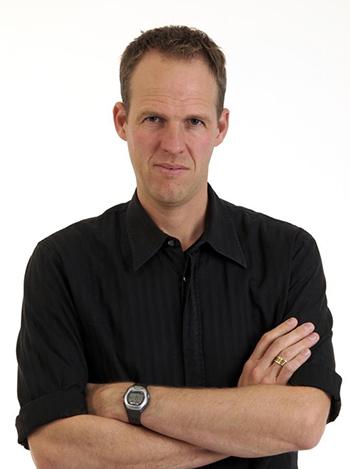
Bart Post, MD was born on March 30, 1972 in Grootebroek, the Netherlands. He obtained his medical degree in 1999 at the University of Maastricht (with honors). In 2000, he started his training as a resident in Neurology at the Academic Medical Centre in Amsterdam, which he completed in December 2008. In 2002, he started a research project on ‘Prognosis in Parkinson’s disease’ that resulted in a PhD thesis in 2009. In 2006, he started a master of Sciences (MSc) education in clinical epidemiology at the EMGO institute in Amsterdam.
In 2009, Dr. Post was certified as a clinical epidemiologist. Since 2010, he has been working as a movement disorder neurologist in the Parkinson Centre in the Radboudumc in Nijmegen (head: prof. dr. B. Bloem). He is part of the steering committee of several large Parkinson trials: the LEAP-trial (Early administration of levodopa in de novo PD); and the CHEVAL-trial (administration of acetylcholine inhibitors in PD patients with hallucinations) and the Fair-Park trial (Iron chelation in early Parkinson’s Disease).
Within the Movement Disorders he is a member of the Multiple System Atrophy (MSA) Study Group. Dr. Post has organized several masterclasses on parkinsonism and movement disorders in the Netherlands. He is a member of the examinations committee of the Dutch neurology Society. He is also a member of two Dutch guideline committees: 1. guideline diagnosis and management of Parkinson’s disease 2. guideline diagnosis and management atypical parkinsonism. In 2018 he was a visiting member of the movement disorders group of Victor Fung in Sydney, Australia.
At the department of neurology of the Radboudumc, he is chair of the residency program for neurologists and, in the Radboudumc, he is co-chair of the central committee for residency programs. Dr. Post is co-director of the Parkinson Foundation Center of Excellence Radboudumc, Nijmegen, the Netherlands. He has a special interest in patients living with Parkinson’s disease at a young age and is heading a program of co-creating care for this patient group.

Want more?
Don't forget to subscribe! There are many ways to listen: Apple Podcasts, TuneIn (Amazon Echo), Spotify or RSS Feed. (Need help subscribing? See our quick guide.)
For all of our Substantial Matters podcast episodes, visit Parkinson.org/Podcast.
Related Materials
Related Blog Posts


Navigating the Challenges of Young-Onset Parkinson's
