Episode 166: Navigating Disparities, Ethics, and Stigma in the Black Parkinson’s Community
-
Dan Keller 0:08 Welcome to this episode of Substantial Matters: Life and Science of Parkinson's. I'm your host, Dan Keller. At the Parkinson's Foundation, we want all people with Parkinson's and their families to get the care and support they need. Better care starts with better research and leads to better lives. In this podcast series, we highlight the fruits of that research—the treatments and techniques that can help you live a better life now, as well as research that can bring a better tomorrow.
As we celebrate Black History Month, we want to take a moment to appreciate and recognize the contributions of Black and African Americans to the Parkinson's disease community. In this second part of our podcast series, we will first hear from Dr. Reversa Joseph, a neurologist and movement disorder specialist at the Columbus, Ohio, Veterans Affairs, and adjunct assistant professor at the Ohio State University. She will discuss the current and historical disparities in research and treatment options among the Black and African American Parkinson's community, and emphasize the importance of understanding the unique experiences of this community to better inform treatment options tailored to their needs.
Later in the episode, Amasi Kuma, Director of Research Partnerships at the Parkinson's Foundation, will speak with Dr. Hiral Shah, a neurologist and movement disorder specialist at the Columbia University Medical Center. Dr. Shah will talk about the inception of the PD Movers book, a collection of narratives from the voices of Black and African Americans living with PD. She will also emphasize the importance of listening to the community to better understand their needs and build a sense of trust, so that they feel comfortable to share during medical appointments.
I started off talking with Dr. Joseph about her thoughts on where we currently stand in terms of research and treatment in the Black and African American Parkinson's disease community. So, Dr. Joseph, in your perspective, where does the Black and African American community currently stand in terms of research and treatment for Parkinson's disease?
Dr. Reversa Joseph 2:39 So, I would say that the Black and African American community still faces significant disparities in research and treatment for Parkinson's disease. While we understand that Parkinson's disease affects people of all races, there are notable differences in how the disease manifests and progresses in patients with Parkinson's disease. I think our understanding in the Black and African American community—in terms of the progression and specific and unique things in relation to patients with Parkinson's disease—is not as well understood due to the underrepresentation of African Americans in clinical trials and research. So I think historically there's a disparity in the lack of diversity in clinical research, and that relates to clinical research with Parkinson's disease as well. There's still underrepresentation of African Americans participating in clinical trials.
Dan Keller 3:38 Besides raising awareness of the value of clinical trials, do you think that there are some underlying reasons that Black and African American patients would be dissuaded from wanting to join a trial?
Dr. Reversa Joseph 3:52 I agree that there is a lack of awareness just about Parkinson's disease in the Black community, which means we need to do a better job of increasing awareness about Parkinson's disease and how it can affect African Americans—not just amongst community members, but also amongst physicians as well, to be thinking of that as a diagnosis when you see a Black person with tremors, that it could not just be old age, but to be thinking of Parkinson's disease in the differential.
But I think also there's historical medical distrust among the Black community. African Americans experienced a longstanding history of discrimination and mistreatment, really within the healthcare system. I know we all know about the Tuskegee syphilis study, where Black men were deliberately left untreated for syphilis without their consent, and so I think that kind of deep-seated mistrust, as well as other violations that have occurred throughout history amongst African Americans, fosters the deep-seated mistrust of medical research and healthcare institutions within Black communities. So not only the historic medical distrust, but there's also some systemic barriers—kind of some structural inequities within our healthcare system, socioeconomic factors, and systemic racism—that also may lead to underrepresentation of African Americans in clinical trials.
Dan Keller 5:19 Can you briefly tell us what the Learning Institute is, and what its intention is?
Dr. Reversa Joseph 5:25 I was very fortunate to be able to participate in a huge collaborative effort amongst the Parkinson's Foundation that reached out to patients with Parkinson's disease, their caregivers, also social workers, movement disorder neurologists, and other staff from the Parkinson's Foundation to work together to create the inaugural Learning Institute that was specific for African American patients and their caregivers. Really, the purpose of the Learning Institute was to train Parkinson's disease patients and their caregivers about research and the clinical trial process. We taught them all about the stages of clinical trials and really provided education about the process, the importance of the process of clinical trials, and the importance of participation and having diverse participation in clinical trials. The goal of that, by equipping these patients and their caregivers with the knowledge, was that they would then go out into the community and be advocates for research in Parkinson's disease, spreading that awareness about the importance of research in the community.
Dan Keller 6:39 Having a more diverse patient population within clinical trials—can that inform clinicians and researchers about the disease in general? I mean, I've heard them say knowing one Parkinson's case is knowing one Parkinson's case. It seems like so many of them have diverse features; is more better to inform about the disease in general for everyone?
Dr. Reversa Joseph 7:02 Absolutely. And I wouldn't say that knowing one Parkinson's disease case is knowing one Parkinson's disease case because, as we understand, Parkinson's disease is a complex neurodegenerative disorder, and it's characterized by a wide range of symptoms. Not every Parkinson's disease patient is the same in terms of their presentation, the symptoms that they may have, as well as their disease progression. It can vary amongst individuals, and research has shown that there may be differences in the presentation and progression of patients with Parkinson's disease.
By including a diverse population in clinical trials and studies, researchers can better understand that full spectrum of Parkinson's disease and the factors that contribute to its variability. Just like diversifying clinical trials, many other health conditions proportionally affect certain demographic groups, racial and ethnic minorities—for instance, diabetes, we see that we have a higher prevalence of this in African American communities—and then studies have shown that African American individuals may be experiencing greater disease disability at the time of diagnosis. So we need to better understand what the cause of that is: Is it just because they're being diagnosed later in the course of the disease, or do they present differently? I think we need to have a better understanding of that through research.
As we move towards this phase of personalized medicine, we understand that it's not a one-size-fits-all, even in terms of the treatment that a patient may take—it differs from one Parkinson's patient to another. So if we're not having significant inclusion of African Americans in these clinical trials, we don't know what could be the right doses for certain patient populations. I think that that's another important aspect of that, as well as if we're doing genetic studies, being able to better identify genetic markers and biomarkers that may predict treatment responses and care interventions. You need diverse patient populations to participate in those clinical trials.
Dan Keller 9:10 What specific challenges still remain that you'd like to see overcome?
Dr. Reversa Joseph 9:16 So, I think we need improved representation in clinical trials, and just raising awareness and encouraging participation in clinical trials is something that we need to do a better job at. We also need to enhance our community engagement and empowerment. We keep talking about increasing awareness about research participation, but also just engaging the community—the Black and African American community—about the importance of research regarding Parkinson's disease, and hopefully fostering these relationships may help to further increase participation. I think that was one of the goals.
Dan Keller 9:57 Amasi, why don't you pick up here and speak with Dr. Shah.
Amasi Kuma 10:02 Thank you, Dan. Dr. Shah, lead us through the captivating journey of the PD Movers book inception. What sparked the idea initially, and how did it evolve into a significant project within the Parkinson's community? Can you elaborate on the collaborative efforts that shaped this collection of diverse African American narratives?
Dr. Hiral Shah 10:26 Sure. Thank you, Amasi, for asking. When I became the medical director of the Parkinson's Foundation Center of Excellence at Columbia University, I saw that our waiting rooms did not reflect the diversity of Washington Heights-Inwood, which is a multicultural community—predominantly Hispanic—that surrounds our academic campus. So I sought to understand the root and solution to this problem, and participated in a community-based participatory research training program, where I met Ms. Anita Parker, a licensed clinical social worker and medical outreach director at St. Luke AME Church, a church based in Harlem. She taught me that the African American and Black community was not ready to participate or engage in educational materials about Parkinson's disease. She told me, "Hiral, we need to start with brain health." So that's where we started.
From 2019 to 2022, we did a series of brain health seminars at the church and brain health fairs. Through these activities, I listened and really learned about the day-to-day challenges that these community members faced when it came to participating in and accessing medical care. I observed testimony that was delivered in the church, which was a natural way where individuals shared their experiences, often overcoming obstacles and achieving great success and empowerment. After I observed these lessons, ultimately Ms. Parker said that we were ready to start talking about Parkinson's disease, but we felt we needed a resource that we could share with community members that they could then take with them to pass on and teach others about what Parkinson's disease was.
As we had listened to these stories of testimony in the church, we decided to develop a book in a storytelling format, where we brought together 10 individuals who identified as African American or Black who were living with Parkinson's disease, along with their care partners. What resulted was the PD Movers book, which is a compilation of first-person narratives accompanied by vibrant illustrations that really share stories. This is what is at the root of our success, because through storytelling we're able to share with the community authentic, real experiences that people can connect to.
They also underscore the importance of representation. For the first time, many people in the African American and Black community are seeing others who look like themselves affected by Parkinson's. In the stories, we're sure to include an emphasis on faith and family, and how this is such a key and important factor in how communities connect to one another and how they overcome obstacles, such as a challenge like living with Parkinson's disease. Weaved in between the stories is educational information explaining what Parkinson's is, addressing some myths and misconceptions in the community, as well as outlining what a multidisciplinary, holistic treatment approach looks like.
I think the second part of your question was about what the impact has been on community members. For the first time, we're getting requests each week from community organizations, churches, and researchers who are benefiting from seeing the lived experience of people with Parkinson's. It's opened people's eyes to what it looks and feels like to live with Parkinson's for a member of a community of color, and for researchers, it's serving as a tool to open doors and start conversations. I've heard so many powerful stories of how people have used the book to start that first conversation with their family member or to make them feel more comfortable with being open and discussing Parkinson's disease. Parkinson's disease in communities of color is often associated with secrecy, isolation, and hesitation about seeking care, and we've seen that this tool is helping to start to normalize those conversations and just make people a little bit more comfortable talking about Parkinson's.
Amasi Kuma 14:32 Thank you so much, Dr. Shah. Emphasizing the richness of diverse lived experiences among people with Parkinson's, can you share insights into the importance of recognizing and valuing these varied journeys?
Dr. Hiral Shah 14:48 I think it is so important that we uplift the voices of people living with Parkinson's and their care partners. We can't forget about the care partners, Amasi. When we hear directly from these people, we give them credibility, we uplift their voices, and this is how we can create the connection that's needed to take those first steps that are important in seeking care. I think the same is true as it applies to research participation. Only when people start to understand the lived experiences of people with Parkinson's, and some of the challenges they may have faced, can researchers and organizations also better understand what some of the barriers might be and how we can address those barriers and overcome them.
For example, I remember hearing a person with Parkinson's tell me that they were participating in a research study, and because of their Parkinson's, they were shaking, and they were taking an MRI. During the MRI, the technician said, "Can you please stop shaking?" I think this is just one small example of how understanding the experience of the person with Parkinson's can help us address some of the barriers to participation and engagement with care.
From a care partner's perspective, I've heard many times that care partners feel invisible in the clinical setting, in the office of the doctor. I think that when we create heightened awareness of these kinds of issues, clinicians can then pay closer attention to some of the needs of the care partner, and how the care partner might also have valuable insights that help us take better care of the person living with Parkinson's.
Amasi Kuma 16:32 Dr. Shah, you previously highlighted the story of one of your patients from a clinician's perspective. Can you elaborate on the significance of this particular experience, and how it underscores the importance of understanding diverse perspectives in healthcare?
Dr. Hiral Shah 16:50 I recently had a patient who was an 85-year-old African American gentleman, who came to me because he had trouble with his balance. He shared how, when he initially was having balance difficulties, he was falling and he thought his life was over. He didn't understand why he was having these falls—what was the cause of them—but he was imagining a future where he was no longer independent or able to do the things that he needed to do. He described to me that growing up in his community, he was often advised not to seek medical care if there was a medical problem because of this perception of mistrust of medical providers, given the historical aspects of slavery and the legacies of medical exploitation, such as Dr. Joseph outlined with the Tuskegee study, among many others. So he often hesitated when seeking care, but he came to see me.
We began to do an evaluation to try to understand the cause of his symptoms, and he was found to have neuropathy, or nerve damage, in his feet. Over the course of months, he said he kept coming back because I gave him hope that there was something that could be done so that he could better understand his condition. Though his neuropathy has not been cured or reversed, he feels much more comfortable living day-to-day and has found that he now shares what he's going through with his neighbors. In the past, he said that his neighbors kind of expressed, "Well, what's going on? Your walking has changed," but he said that he didn't feel comfortable telling them what was going on because it simply is not the norm—people keep these types of things, in his words, to themselves.
So, when I shared with him the PD Movers book about Parkinson's disease—and perhaps a different medical issue that he wasn't aware of—he was emotional and moved. He said that this was the first time he was seeing a resource like this that was developed for his community with his community in mind, and that was an incredibly powerful moment because he wanted books for his entire family to share so that they could understand better some manifestations of neurological disease.
For me, this was another "aha" moment that we need to remember that the people who come to us to seek medical care come with a whole lived experience, a whole history of their experiences with the medical enterprise. Unless we ask what their priorities are, unless we ask what their fears are, unless we ask them and meet them where they are and attempt with every medical visit to build trust, that person is not able to be truly vulnerable and express themselves. Once I really understood where this gentleman was coming from, what his fears were, and what he really wanted us to address in the office, I was able to be much more effective in my role as a neurologist.
Amasi Kuma 19:42 Thank you so much, Dr. Shah. Finally, the last question is stressing the need for a human-first approach in healthcare interactions. How does prioritizing the human element contribute to improved patient care, especially when dealing with conditions like Parkinson's?
Dr. Hiral Shah 20:02 Thanks for this question. I've been thinking about it a lot, and I think that it speaks to one of the issues that is a barrier when seeking care, and that is the power dynamics that exist in the medical office. I think often providers don't recognize this power dynamic and how people who are coming to seek care may not feel comfortable asking their questions, or may not feel comfortable challenging or requesting more information. By being human-first—I think being honest, being transparent, being authentic, and really listening to the person—allows you to make that more real and human connection with the person who is sitting before you.
I found that when I create a more human experience for that patient, rather than one where I'm rushing in and out of the room and not listening to the patient, I allow for those barriers to come down, for those walls to come down for the patient, where they can then be more human. It reminds me of when I'm sitting with a patient, and if I'm asking them if they have any questions or concerns, and they don't say anything and they're quiet, that actually is a red flag for me to stop and really pay attention to what might be happening in the room that's unspoken. People should be comfortable to ask their questions, but they often aren't, and so it's upon us as the clinician to try to create a more comfortable environment.
That might be by first trying to get to know that person a little bit better. What is the context with which they're coming to that office visit? What did their life look like before they developed a symptom that brought them to medical attention? What are their priorities? What are their goals? These are not conversations that necessarily happen in the first meeting, but it's something that we should try to keep in mind because when those bridges are built, when those connections are made, it allows for the person to be much more comfortable and vulnerable. Individuals who are coming to medical care are truly so vulnerable; they're really in a position of feeling disempowered. So I try very hard now to empower my patients, tell them how important it is for them to use their voice and tell their story, and to try to be as authentic as I can be and present with them in that moment, so that they can feel that I'm really committed and interested in their care.
Amasi Kuma 22:29 Thank you so much, Dr. Shah. I will now pass it over to Dan Keller.
Dan Keller 22:36 Thanks, Amasi. Do either of you have any comments or other insights about what the other person said that you would like to add, Dr. Joseph? Anything strike you about what Dr. Shah was saying?
Dr. Reversa Joseph 22:51 I just wanted to make sure that I addressed one of the key issues contributing to the disparity in African Americans in research and treatment, which is the historical lack of diversity in clinical research. Many clinical trials predominantly enroll participants from Caucasian backgrounds, and I think this leads to a limited understanding of how Parkinson's disease may affect other racial and ethnic groups differently. This lack of representation can result in gaps in knowledge regarding the effectiveness of treatments and interventions specifically tailored to the needs of the Black and African American population.
Addressing these disparities really requires a concerted effort from researchers, healthcare providers, and policymakers in trying to really increase diversity in clinical trials and research. I think we need to have a better, culturally competent type of care and outreach efforts to help really improve the awareness and engagement in the African American community. One of the things we didn't address is that community-based participatory research initiatives are important because it really involves collaboration between researchers and community members to help prioritize research questions and interventions that are relevant and meaningful to the Black and African American community.
I think that was one of the goals from the Parkinson's Learning Institute that we did—trying to help African American patients with Parkinson's disease and their caregivers begin to think about how research is done and how you can begin to form some of these questions. That was one of the tasks even in the Learning Institute, trying to come up with questions in terms of research that were important to them—so what are the things that most affect them by their Parkinson's disease, and how they would like to see that being addressed in research. We began to form these questions with them so that they can be involved, hopefully, with helping to prioritize these research questions for their participation and foster partnerships with diverse universities to be a part of research. So that was one of the things I wanted to make sure was addressed.
Lastly, one of the aspects I think would be important was just talking about challenges or successes witnessed in providing support for people with Parkinson's disease. One of the things is a common challenge: limited access to specialized care for Parkinson's disease. There are many patients who may not ever see a movement disorder specialist. Some are just solely being treated by their primary care provider. Some do get to see a neurologist, but not every Parkinson's patient is actually being seen and treated by a movement disorder specialist, so that does lead to significant gaps in care. We understand the complexity of symptoms in patients with Parkinson's disease, so managing all these symptoms really requires a multidisciplinary approach.
As well, Parkinson's disease has significant emotional and psychological impacts on both the patient and the caregivers. Addressing the emotional and psychological impacts of Parkinson's disease on patients, as well as their caregiver, and understanding that there's caregiver burnout, is vital to address the role that the caregiver plays and provide support for them.
I think one of the things that at least at our Columbus VA that we've done to try to help address some of these challenges is having telehealth services. I think that became a big thing during the pandemic, but we're continuing that forward because we realize that those living in rural communities do not have access to being able to see a movement disorder specialist, so telehealth services allow for access to those, especially in the rural communities.
The multidisciplinary team approach, I think, is a key success factor in treating patients with Parkinson's disease—bringing together a diverse team of healthcare professionals, including the movement disorder neurologist, physical therapists, occupational therapists, speech therapists, social workers, psychologists, and nutritionists, all on a team together, addressing the complex needs of patients is very important. The other aspect is tailoring treatments to the unique needs of each individual, so it's not a one-size-fits-all in Parkinson's treatment and care.
Lastly, just providing education and support for the Parkinson's patients, as well as their caregivers—and I think this was one of the things Dr. Shah mentioned in her discussion about the importance of education and using the PD Movers group to help provide that. I think that education and support is very needed as well.
Dan Keller 27:56 Well, thank you both. I really appreciate it. It's a lot of information, and I'm sure it will inform and enlighten a lot of our audience who've never really thought about some of these issues, but they're very important. So, thanks a lot.
Thank you for joining us in this special episode as part of Black History Month. We hope you'll continue to celebrate with us as we highlight articles and resources all month long. Read our blog post highlighting our research training Learning Institute tailored to the Black and African American Parkinson's community at parkinson.org/blog. Listen to our podcast episode titled Parkinson's Disease in the Black Community, featuring a woman with Parkinson's disease who has been highly involved in raising awareness about PD in the Black community, by visiting parkinson.org/podcasts.
If you're interested in getting involved in a Parkinson's research study, visit parkinson.org/pdgeneration. For resources on Parkinson's disease and the Black and African American community, visit parkinson.org/blackcommunity.
If you want to leave feedback on this podcast or any other subject, you can do it at parkinson.org/feedback. If you enjoyed this podcast, be sure to subscribe, rate, and review the series on Apple Podcasts, or wherever you get your podcasts. At the Parkinson's Foundation, our mission is to help every person diagnosed with Parkinson's live the best possible life today. To that end, we'll be bringing you a new episode in this podcast series every month. Till next time, for more information and resources, visit parkinson.org or call our toll-free helpline at 1-800-4PD-INFO, that's 1-800-473-4636. Thank you for listening.
Black and African American people diagnosed with Parkinson’s disease (PD) face disparities in healthcare access and outcomes, potentially leading to decreased access to care, resources, and research opportunities. It is crucial to recognize their unique needs and experiences so that scientists can better understand how PD impacts diverse communities. The Parkinson’s Foundation aims to identify these healthcare disparities to better serve and support the community.
In this second episode of our Black History Month special, Dr. Reversa Joseph, Neurologist, MDS at the Columbus Ohio VA, and Dr. Hiral G. Shah, Neurologist, MDS at Columbia University Medical Center, discuss current and historical disparities in research and treatment among the Black and African American PD community. They emphasize the importance of raising awareness about PD in this community, as well as in the medical space, to better understand the diverse lived experiences of the Black PD community. They also address the need to create more PD resources that reflect the voices of the community at hand.
Released: February 27, 2024
-
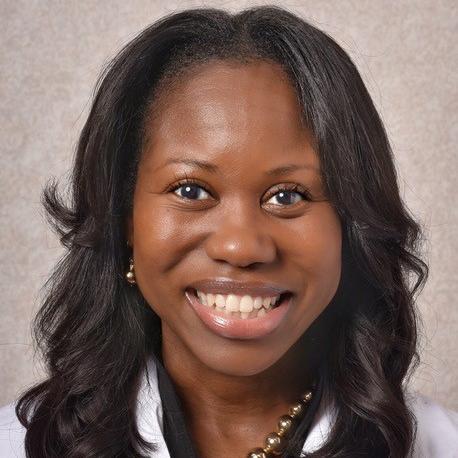
Dr. Reversa Joseph is a Board-Certified Neurologist specializing in Movement Disorders and intraoperative monitoring. With a profound focus on treating patients with Parkinson’s disease, she employs a comprehensive and integrative approach. Dr. Joseph obtained her Bachelor of Arts degree from Columbia University, followed by her Medical Degree from Georgetown University. She completed her Neurology Residency training at Yale University and pursued fellowship training in Movement Disorders with a focus on Deep Brain Stimulation and Botulinum Toxin Therapy at Georgetown University.
Additionally, Dr. Joseph completed a fellowship in Clinical Neurophysiology at the National Institutes of Health, where she specialized in intraoperative monitoring and autonomic dysfunction in neurodegenerative disorders. Currently, she serves as the Director of the Movement Disorders Clinic at the Chalmers P. Wylie VA.
Dr. Joseph initiated a Parkinson's Multidisciplinary Care Team at the VA to enhance the care provided to veterans with Parkinson's disease. Utilizing a Whole Health approach, she integrates various modalities to offer comprehensive care for patients with Neurodegenerative disorders. Dr. Joseph is deeply committed to health equity and strives to eliminate health disparities in the care of patients with Parkinson's disease, reflecting her passion for ensuring all individuals receive equitable access to quality healthcare.
-
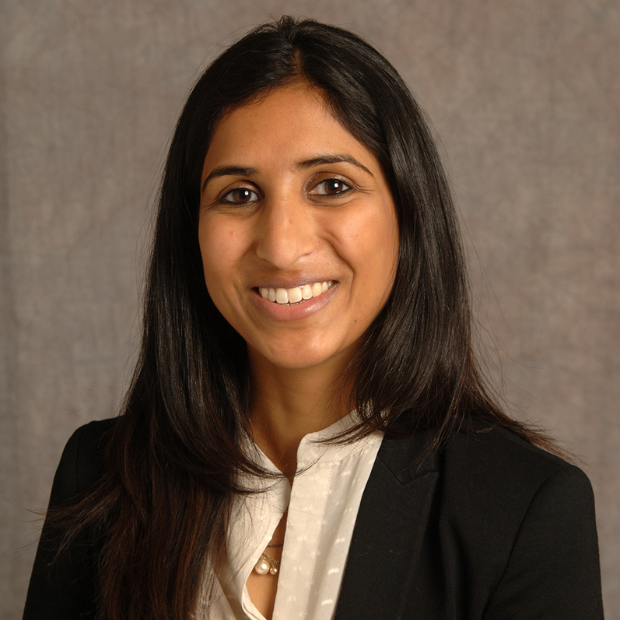
Hiral Shah, MD, is a Neurologist at Columbia University Irving Medical Center for the last 16 years. She serves as the Medical Director of the Parkinson's Foundation Center of Excellence at CUIMC. She provides clinical care for individuals with neurological disorders, with a specific expertise in Movement disorders including Parkinson's disease as well as Functional Neurological Disorders. She has served as a consultant to the World Health Organization, has training as a Global Health and Aging Policy Fellow, Global Mental Health Scholar, and Community-based Participatory Research Scholar. She serves on the Advisory Board for the Young Onset Parkinson's Network. Her approach is to address the concerns of individuals and families in a holistic manner, including addressing the physical and mental aspects of their health condition. Her research focuses on attempting to identify and address the factors that contribute to stigma and isolation with respect to Parkinson's disease and other neurological disorders.
She is the Founder of the PD Movers, a group of AA/Black individuals and care partners impacted by Parkinson's disease and has developed an educational book, The PD Movers (www.pdmovers.com, https://www.neurology.columbia.edu/patient-care/specialties/movement-disorders/pd-movers-we-keep-moving-storybook) that utilizes storytelling and illustrations to create heightened awareness of Parkinson's disease in communities of color, inspire individuals to use their voice to uplift their health, and create connection. This community-based approach to developing educational resources was highlighted in the following article: https://www.sciencedirect.com/science/article/abs/pii/S1353802023010155.


Made possible by support from Robert W. Woodruff Foundation.
Want more?
Don't forget to subscribe! There are many ways to listen: Apple Podcasts, TuneIn (Amazon Echo), Spotify or RSS Feed. (Need help subscribing? See our quick guide.)
For all of our Substantial Matters podcast episodes, visit Parkinson.org/Podcast.
Related Materials
Neuro Talk: PD GENEration and the Black Community
Getting Involved in Research
Related Blog Posts

Partnering with Morehouse School of Medicine to Diversify Genetic Data

Research Training Tailored to Black and African American Parkinson’s Community Aims to Advance Health Equity
