Episode 99: Nutrition Advice - Part 1
-
Dan Keller 0:08
Welcome to this episode of Substantial Matters: Life and Science of Parkinson's. I'm your host, Dan Keller. At the Parkinson's Foundation, we want all people with Parkinson's and their families to get the care and support they need. Better care starts with better research and leads to better lives. In this podcast series, we highlight the fruits of that research—the treatments and techniques that can help you live a better life now, as well as research that can bring a better tomorrow.
Clinical researchers are intensely interested in finding treatments and lifestyle modifications that may slow down or eventually stop the progression of Parkinson's disease. While proof of their effectiveness would require controlled clinical trials, or at least in the case of lifestyle changes, population studies over time, some modifications may be worth trying now. Diet falls into this category. The medical field already knows that healthy foods can have beneficial effects, and there is no harm in eating better before proof emerges that it can slow Parkinson's progression. We have all heard about heart-healthy foods that are low in saturated fats and about high-fiber foods for gut health. Lately, research has connected the populations of microorganisms in the gut with various health conditions. Dr. John Duda of the Parkinson's Center at the Veterans Affairs Medical Center in Philadelphia notes that what you eat is what gut bacteria feed on as well. Dietary changes can affect the mix of microorganisms, and while it is still a developing field, the so-called gut microbiome has been shown to have wide-ranging effects in the body. In this first episode of a two-part interview with Dr. Duda, I asked him why nutrition may be especially important for people with Parkinson's disease.
Dr. John Duda 2:15
That's a great question. As we try to develop novel therapies that will slow down or stop the progression of Parkinson's disease, many of us are interested in other potential therapies that may do the same thing. We know that exercise may be capable of slowing down the disease progression of Parkinson's disease, as you've discussed with Bas Bloem and others on other podcasts, and many of us feel that nutrition may have a similar role. We don't know for sure if changing what you eat is going to slow down your disease progression, but we do know fairly convincingly that it'll affect the way that you experience Parkinson's disease by changing the symptoms that you have, possibly preventing some symptoms, and overall improving your overall quality of life by decreasing your risk of things like heart disease and stroke, diabetes, hypertension, dementia, and things like that.
Dan Keller 3:18
You advocate a plant-based whole food diet. What do you mean by whole food?
Dr. John Duda 3:25
The diet that I recommend, it comes out of a lot of research that suggests that the standard American diet, which some people abbreviate SAD for a reason, is loaded with food that's processed. So the American food industry takes a lot of natural whole foods and processes them into meals and other foods that makes it very convenient. It saves us time and food preparation, but that process of taking those whole foods and changing them changes the nutritional value of them as well. And so what we suspect is that as you take, for example, a whole grain and process it into something like white rice or white flour, you're taking away certain components of that grain that have health benefits—the bran, the fiber, things like that. The idea is to get back to the natural whole foods and start with natural whole grains, whole vegetables, whole nuts, seeds, greens, beans, all these things, and prepare food. It does take a little longer to prepare a whole-food, plant-based meal, but we do believe that the phytonutrients, which are nutrients that are found in plants only, will help you in many ways, including possibly helping your Parkinson's disease.
Dan Keller 4:58
You mentioned that it's not certain whether Parkinson's disease can be prevented by eating whole foods or a good diet. There does seem to be some epidemiological work in terms of environmental factors. Caroline Tanner at the University of California, San Francisco, and Bas Bloem in the Netherlands, and Ray Dorsey in Rochester have come out with a lot of stuff about environmental pollutants. But now, since we're talking to an audience with people who already have Parkinson's disease, is there evidence that it can actually help them?
Dr. John Duda 5:35
That's a great question. I think it is important, a very important distinction to recognize that much of the research we have to date has been focused on the risk of developing Parkinson's disease and nutrition, and it's pretty clear that there are certain foods that decrease your risk of getting Parkinson's disease and certain foods that increase your risk. There's much less evidence, especially quality evidence, on how changing your diet can affect your Parkinson's disease if you already have it. It's obviously a very difficult study to perform to take people who have Parkinson's disease and have them in some sort of blinded way eat some food that other people are not eating over a long term and follow them to see how their disease progresses. So that kind of evidence is clearly not as robust as some of the other epidemiological evidence.
There is one study called the CAM Care in Parkinson's Disease study, which you can find online from Dr. Laurie Mischley, which is a naturalistic, prospective study. So she's taking over 1,000 people with Parkinson's disease and following them prospectively, meaning into the future, and asking them now what kinds of things are they doing with their lifestyle and alternative therapies and supplements and things like that, and then seeing how they progress over time. And so some of the evidence from that suggests that the people who eat basically a Mediterranean-type diet, which is a whole-food, plant-based diet essentially, plus a little bit of seafood, red wine, not as clearly restrictive for all animal products, but that kind of diet does seem to be associated anyway with less symptoms in Parkinson's disease.
People with Parkinson's disease can improve, for example, constipation, which is a big problem for a lot of people with Parkinson's disease, by changing their diet. People always ask me, as someone who eats a whole-food, plant-based diet, where do I get my protein? Well, it's very hard not to get enough protein, as long as you eat a varied diet, no matter what you eat. So as long as you're not eating the same two foods day in and day out, it's hard not to get enough protein. But about 97% of Americans don't get enough fiber, and fiber is crucially important for maintaining good gut health and avoiding constipation.
I did a small study a number of years ago where we taught 13 patients with Parkinson's disease how to eat a more whole-food, plant-based diet, and one of the things we saw was a clear reduction in their constipation scores. It was a small enough study that it was only ever published in abstract. I think, in my experience, it happens routinely that people report having greater frequency of bowel movements, and importantly, less trouble in passing a bowel movement if they adopt a whole-food, plant-based diet and increased fluid consumption as well.
There are other symptoms that aren't as clearly well documented to improve in Parkinson's disease, but very likely do. For example, memory function. Obviously, one of the most troublesome and scary symptoms of Parkinson's disease is dementia, and a lot of people want to know from me how to reduce their risk of getting dementia. And it is very clear from other studies that what diet you eat affects your risk of getting dementia. And people eating a Mediterranean diet—and there's other versions like the DASH diet, or the MIND diet, or a whole-food, plant-based diet—are significantly less likely to get dementia, and almost certainly whether or not that dementia is coming from Parkinson's disease or not. There are other symptoms that may benefit, because even treating constipation actually may increase the absorption of your medications. If you have erratic transport through your intestines, your levodopa, for example, may not be absorbed well or the same way with each dose. And so just improving your bowel habits can actually improve your motor symptom response by improving the absorption of levodopa.
Dan Keller 10:01
If I remember correctly, the study that you did that you alluded to was only for about 14 weeks, and you measured people's symptoms and constipation over that time. It seems it's really hard to get people to change their dietary habits in the long term, so it would have been interesting to follow up once they were off study. I'm wondering, is it better to try to get people to make incremental changes or just say you've moved to the Mediterranean, it's a whole new way of eating? I think possibly people respond differently.
Dr. John Duda 10:37
That's a great point. I think the motivations and desires that people have vary, and people who study psychology and things like that have looked at this, and it's kind of interesting. Some studies suggest that incremental changes are better, and that's essentially what I try to do in my clinic. In addition to my regular Parkinson's disease clinic, I have something called a brain wellness clinic, where we bring in people with Parkinson's disease, and we discuss all of the choices they're making in their lifestyle that we think could potentially affect their brain health. Those include dietary choices, exercise, sleep habits, stress management, and things like that. And each visit we discuss potential changes, and over time I have seen many, many patients make kind of incremental changes—changing one or two things this visit, and then changing more the next time, and ending up with big changes, with, you know, significant reductions in their weight, being able to come off hypertensive or diabetic drugs, and things like that.
But there are actually other studies that suggest that if you ask people to do a large number of things all at the same time, they're actually more likely to do a few more than they would have if you only asked them to do a couple. So I think it depends a lot on the person you're talking about. I have some veterans I take care of who are young and really committed to doing anything they can to fight back against Parkinson's disease, and that's kind of the theme of the Brain Wellness Clinic, where we're empowering people by teaching them how to fight back against Parkinson's disease, and these vets will do anything that I ask them to. And it's really rewarding because they come back with clear health benefits and a sense of, like I said, empowerment and well-being that comes out—what, you know, regardless of underlying physiological changes, they just feel better because they feel like they're doing something, and you know they're sleeping better and getting exercise and everything, so certainly they're going to feel better.
Other veterans in my clinic are interested in making some changes, but perhaps not wholesale changes. And I always say that it doesn't do you any good to live to 100 if you're miserable the whole rest of the time you're alive. When people hear about the recommendations that I have for how to live a healthy life, I let them choose which ones to do and which ones not to do. I mean, if you have to eat a hamburger a couple times a week to be happy, well, I want you to be happy. I think the changes that can be made are at least as robust by teaching people to do healthy things in addition to the unhealthy things they do, rather than trying to just make them help them stop doing the unhealthy things. So if you have to eat some things that we know aren't the healthiest, that's okay, as long as you know some of the other time you're actually eating things that are healthy. And teaching people to eat the healthy things is a big part of what we do and have success with.
Dan Keller 13:52
Let me ask you about the bacteria in the gut known as the gut microbiome. These microorganisms, it seems that studies have shown people with Parkinson's disease tend to have a different kind of population of bacteria in their gut from healthier people. Going on a diet, gradually moving to a diet like you advocate, does this change the gut microbiome? And it seems that not only would it have an effect locally, but now they've connected the gut microbiome even with things like depression and the immune system, and all sorts of stuff.
Dr. John Duda 14:31
That's a great question, Dan. The whole field of the gut microbiome and other microbiomes in the body has just exploded in the last couple of years. Now that we have advanced techniques of really identifying what bacteria and other organisms are in these environments, the story with Parkinson's disease is that there does seem to be a difference in the gut microbiome of people with Parkinson's disease compared to people without it. And a lot of the changes are actually similar to the changes that we see in a lot of other chronic kind of diet- or lifestyle-related diseases, like diabetes and arthritis and things like that, and that is that there are certain bacteria that tend to produce compounds that we think are beneficial to your gut health and to your overall health, and there are certain bacteria that we think are producing compounds that are not beneficial or detrimental to your health.
The big difference between these two populations of bacteria, for the most part, is what they eat. And so there are certain bacteria that eat primarily fiber and plant-based residue from your diet. Those bacteria end up being the ones that produce the short-chain fatty acids and other compounds that we absorb and help maintain our gut health. The bacteria that produce detrimental compounds, in general, are eating animal protein and things like that. So it's really premature to say for sure that changing your diet will affect your Parkinson's disease, but it is pretty clear that people who are eating a standard American diet with high amounts of processed foods and animal products, including dairy, can clearly change the microbiome in their gut within a relatively short period of time—within a couple of weeks, for sure. Some people believe within a meal or two, and it makes sense, because if you think about it, there are billions of bacteria in your gut, and the ones that are getting fed are the ones that are going to thrive and multiply. If you are feeding the bacteria that primarily eat dairy products and protein and things like that, they're going to thrive. If you start feeding the ones who eat primarily plant residues and fiber, they're going to start thriving.
Sometimes, when you change to a whole-food, plant-based diet or a Mediterranean diet, there are changes in your gut bacteria that you can feel. You can sometimes feel some GI side effects, including increased flatulence and things like that, but these changes tend to subside over time. And what you're left with is a gut bacteria that we think is healthier, and it, like you said, is associated with mood state, and weight gain and weight loss, and your risk of other chronic diseases, including heart disease, diabetes, arthritis, almost anything you can think of. So that's a really fascinating story that we're really just starting to scratch the surface of, but I think it's pretty clear, and one of the best reasons, I think, for people with Parkinson's disease right now to start eating a healthier diet that includes a lot of plant-based sources of food.
Dan Keller 17:50
Little did we know how prescient Grace Slick was in singing White Rabbit, saying, "Feed your head." It seems like your gut bacteria only eat what you eat, and it has ramifications for possibly neurologic disease and mood and all sorts of things, so...
Dr. John Duda 18:08
It is a really fascinating field.
Dan Keller 18:20
In our next episode, we'll continue our conversation with Dr. Duda, and he'll have some practical tips on diet and nutrition, specifically for people with Parkinson's. In the meantime, you can find an expert briefing that he presented on the subject by searching our website at parkinson.org for his name, Duda, that's D-U-D-A. It's called Nutrition and Parkinson's. The link is at the bottom of the page. You can also find this webinar in our archived expert briefings page linked on parkinson.org/ebs, and we'll have a new expert briefing in March 2021 on non-motor symptoms, including gastrointestinal issues. You can find the details at parkinson.org/eb.
For more, you can hear a previous podcast in our series with Dr. Bas Bloem of the Netherlands, called The Importance of Good Nutrition for People with Parkinson's. That same page has links to more information, including a webinar by Dr. Heather Zwickey and a fact sheet about nutrition. Two other podcasts, one with Dr. Ai Huey Tan of the University of Malaya, and the other with Dr. Ali Keshavarzian of Rush University in Chicago, both titled The Role of the Microbiome in PD, may also be of interest.
If you would like dietary advice for yourself, you may be able to find a nutritionist or dietitian through your Parkinson's care team, or by calling our helpline at 1-800-4PD-INFO. If you have questions about today's topic or anything else having to do with Parkinson's, our information specialists can provide answers in English or Spanish. You can reach them at 1-800-4PD-INFO. News and updates about future events and resources are available by joining our email list at the bottom of our website's homepage. If you want to leave feedback on this podcast or any other subject, you can do it at parkinson.org/feedback. If you enjoyed this podcast, be sure to subscribe and rate and review the series on Apple Podcasts or wherever you get your podcasts.
At the Parkinson's Foundation, our mission is to help every person diagnosed with Parkinson's live the best possible life today. To that end, we'll be bringing you a new episode in this podcast series every other week. Until then, for more information and resources, visit parkinson.org or call our toll-free helpline at 1-800-4PD-INFO, that's 1-800-473-4636. Thank you for listening.
A major thrust of Parkinson’s research today is exploring potential ways to slow the progression of the disease. Exercise may be one way and is recommended. Another possible approach is nutrition, although the evidence is not as solid as for exercise. Nonetheless, there is evidence that good nutrition and dietary practices can have beneficial effects for people with Parkinson’s, including lessening digestive symptoms, as well as preserving quality of life by lowering the risk of heart disease, stroke, diabetes, high blood pressure, and dementia. Improving digestive function may even improve the absorption and actions of medications. Dr. John Duda, Director of the Parkinson’s Disease Research, Education and Clinical Center at the Philadelphia Veterans Affairs Medical Center and Professor of Neurology at the University of Pennsylvania, a Parkinson’s Foundation Center of Excellence, recommends a plant-based, whole foods diet. In this podcast, the first of two with Dr. Duda, he explains what a whole foods diet is, how it differs from a standard American diet, and how people can reliably and comfortably change the way they eat.
Released: February 23, 2021
-
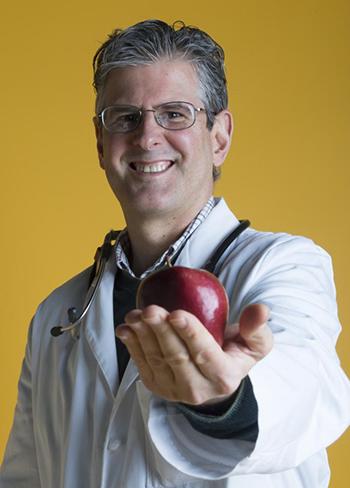
John Duda, MD is the Director of the Parkinson's Disease Research, Education and Clinical Center (PADRECC) and Co-Director of the Center for Neurotrauma, Neurodegeneration and Restoration of the Cpl. Michael J. Crescenz VA Medical Center and a Professor of Neurology at the Perelman School of Medicine at the University of Pennsylvania. For the past 19 years, he has worked with his colleagues in Philadelphia to provide state-of-the-art care for thousands of Veterans with PD and related disorders.
His research activities have included basic science investigations into the role of Lewy pathology in the pathophysiology of Parkinson’s disease and related disorders as well as investigations into the mechanisms involved in traumatic brain injury. He has also conducted clinical research in Parkinson’s disease with studies of deep brain stimulation therapy, transcranial magnetic stimulation, the benefits of a plant-based, whole food diet, and the use of olfaction as a biomarker of disease diagnosis and progression. He has received research grants from the Department of Veterans Affairs, NIH, the Michael J. Fox Foundation for Parkinson Research, and the Department of Defense. He has been recognized as a BLR&D Senior Clinical Research Scientist and authored more than 120 scientific publications including articles in JAMA, Science, Neuron, The New England Journal of Medicine and Neurology.

Want more?
Don't forget to subscribe! There are many ways to listen: Apple Podcasts, TuneIn (Amazon Echo), Spotify or RSS Feed. (Need help subscribing? See our quick guide.)
For all of our Substantial Matters podcast episodes, visit Parkinson.org/Podcast.
Related Materials
Related Blog Posts

Improving Parkinson’s Awareness and Outcomes Through Multigenerational Health Literacy Programs

