5 Ways Policy Affects Your Life with Parkinson’s
🧠 What will you learn in this article?
This article introduces five policies at the federal and state levels directly influence the lives of people with Parkinson’s disease (PD). It highlights how:
-
Increased federal and state funding is essential to accelerate Parkinson’s research and support breakthroughs.
-
Policies directly influence access to timely high‑quality Parkinson’s care and can speed up a PD diagnosis.
-
Environmental health regulations, such as banning paraquat, can reduce risks linked to developing Parkinson’s.

When you’re living with Parkinson’s disease (PD), the decisions made on Capitol Hill and in state capitals across the country can directly shape daily life. Whether it’s the funding that drives breakthrough research, the policies that determine whether you can access a specialist, or the environmental protections that could prevent PD in the first place, policy is personal.
Last month, that truth came to life in a powerful way. From March 15-18, more than 300 advocates from across the country gathered in Washington, D.C. for the 2026 Parkinson’s Policy Forum, an event that united people living with PD, care partners, clinicians, researchers and advocates to carry the message of the Parkinson’s community to Congress.
The Forum was an inspiring reminder of what we can accomplish when we speak with one voice. While the Forum has wrapped, the momentum it generated is just beginning. The policy priorities that advocates championed on Capitol Hill affect every person living with Parkinson's and there are still powerful ways to make your voice heard.
Here are five key Parkinson’s policy areas where your voice can make a real difference.
1. Implementation of the National Parkinson’s Project
The National Parkinson’s Project is a historic milestone: the first-ever federal initiative dedicated to Parkinson's disease. Congress passed a law to create the National Parkinson’s Project in 2024, but that is only the beginning. Implementation requires continued pressure and advocacy to ensure the initiative moves forward without delay.
The Parkinson's Foundation is working to protect this landmark project and build momentum as the government moves to put it into action. That means urging the Department of Health and Human Services to seat the National Parkinson’s Project Advisory Council so they can begin their vital work to help prevent, diagnose, treat and ultimately cure Parkinson’s and recommendations to improve quality of life for those living with PD. This project represents a generational opportunity, and advocates like you help keep it on track.
2. Increased Investment for PD Research
We are closer than ever to developing treatments that could slow or stop Parkinson's, not just manage its symptoms. But that progress depends on sustained investment. Federal support for PD research has not kept pace with the rapid growth of the disease, and funding uncertainty puts critical breakthroughs at risk.
The Parkinson's Foundation is advocating for increased investments, including $600 million a year in National Institutes of Health-funded Parkinson's research, as well as complementary investments at the state level that build on and expand what federal funding makes possible.
Every dollar invested in research brings us one step closer to a cure — and every advocate who makes the case to a lawmaker helps secure that funding.
3. Timely, Affordable and Quality Parkinson’s Care
Parkinson's is the fastest-growing neurodegenerative disease, with 90,000 new diagnoses every year. Yet access to quality care is increasingly out of reach for many people. Shortages of movement disorders specialists mean long travel distances. Coverage gaps and unpredictable costs create added stress. Quality of care varies widely depending on where you live.
The Parkinson’s Foundation supports policies that change this reality by making it easier to diagnose and treat PD, stabilizing and expanding telehealth coverage to reach people wherever they are, and ensuring robust public health programs that support both care and research. Quality Parkinson’s care should not be determined by your zip code.
Whether it’s expanding telehealth access or strengthening Medicare coverage, these policy changes have a direct impact on your ability to get the care needed to live well with PD.
4. Address Environmental Health Threats Linked to Parkinson’s
The causes of Parkinson’s are complex, but research has linked environmental risks — including certain chemicals like paraquat and trichloroethylene (TCE) — to an increased risk of developing PD. Even though paraquat has been banned in more than 70 countries, including China, this pesticide is still sold and used in the U.S.
The Parkinson’s Foundation is pushing the Environmental Protection Agency and state governments to end the use of paraquat in the U.S. This policy change could prevent countless future cases of PD, particularly in rural communities where pesticide exposure is most common.
Policy change can protect future generations from ever receiving a Parkinson's diagnosis. That is a powerful thing to advocate for.
5. Education: Access to PD Information
Knowledge is power, especially when it comes to early diagnosis and living well with Parkinson’s. Yet too many people with PD, their families, and even their healthcare providers lack access to timely, high-quality, tailored information about the disease.
The Parkinson’s Foundation is advancing policy changes that improve PD education for people with Parkinson’s, care partners and healthcare professionals. Better-informed healthcare professionals mean earlier diagnoses and better care. Better-informed patients and families mean more confident, empowered decision-making at every stage. Access to PD information also support prevention, helping communities recognize risk factors and take action before a diagnosis occurs.
People with Parkinson’s are at the center of everything we do, and ensuring they have the information they need is one of the most meaningful ways policy can improve lives right now.
Your Voice Can Change Everything
There is a direct connection between the actions we take today and the future we want to see. The research funding secured this year can become the new treatment option available in five years. The telehealth policy passed today means your neighbor in a rural county can see a specialist next month. The paraquat ban advocated for now could mean one fewer diagnosis in your community.
Ready to make a difference? Visit our Advocacy Center to join our Advocacy Network, contact your representatives, and take action on the issues that matter most to the PD community today.
Related Blog Posts
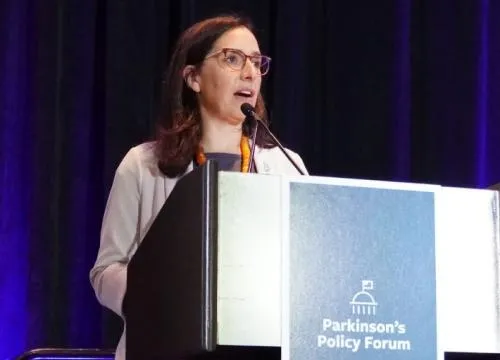
Shaping the Future of Parkinson’s Policy: Meet Our Chief Strategy and Policy Officer

The Latest on The National Parkinson's Project
